Tire Spreader for Inspection and Repair
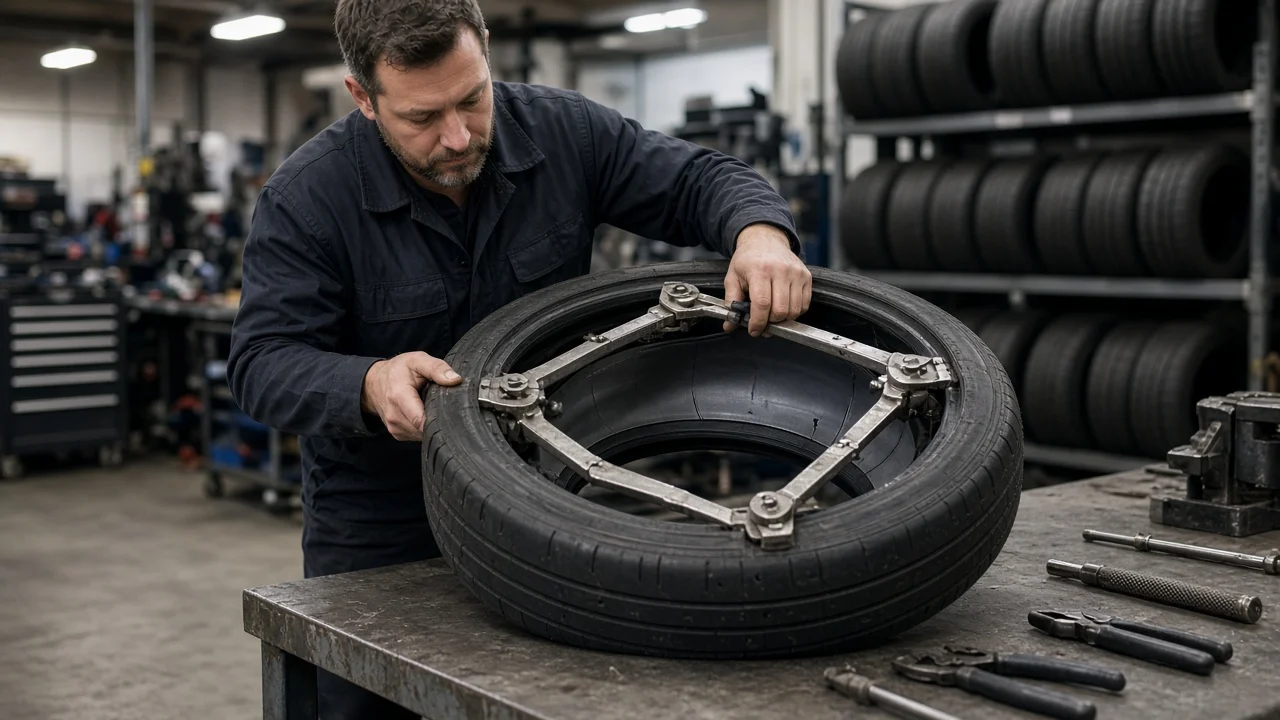
Choosing a tire bead spreader affects how easily you can inspect sidewalls, seat beads, and reach debris or damage inside a tire during repair. A unit that opens the casing without pinching the carcass or blocking the work area makes inspection more practical, while a poorly matched tool can slow patching and increase the risk of missing cuts. This guide explains what the tool does, which mechanical features matter most, and how to evaluate a spreader for typical tire service use so the purchase supports faster and more consistent inspection.
The direct answer
A tire bead spreader is worth buying when your work regularly requires looking inside unmounted tires, preparing sidewall repairs, cleaning the inner liner, or positioning patches. It holds the beads apart after the tire is off the rim, freeing both hands for lighting, grinding, stitching, and inspection. If you only break down an occasional tire, a simpler manual holder may be enough. For repeated commercial service, a sturdy adjustable unit reduces the physical effort of bending and prying open stiff sidewalls, especially on low-profile or reinforced casings.
The most practical purchase is a spreader that opens far enough to expose the crown area without overstretching the bead bundle. Look for stable base contact, positive locking positions, and jaws or hooks that grip the bead without cutting it. A tool that flexes under load will close unexpectedly and create a pinch hazard or interrupt the repair. It should also allow the tire to rotate or be repositioned, because consistent inspection criteria require viewing the full inside circumference rather than only the section directly in front of you.
Understanding a problem
If a reader reports that a tire keeps slipping out of the spreader, the first issue to check is bead seat placement. Hooks that catch only the outer edge or sit at an uneven angle allow one side to release under tension. The same symptom can come from dried rubber, mud, or bead sealer reducing grip. Confirming the spreader width and jaw shape matches the bead profile is more useful than assuming the tool is defective. In many cases, repositioning the tire so both beads sit equally in the tool restores stable opening.
Excessive effort to open a casing can point to stiff sidewalls, cold rubber, or a spreader that does not provide enough mechanical advantage. This is not proof that a part is broken; high-performance and run-flat-style sidewalls often resist hand spreading. A better next step is to use incremental adjustment and check that the tool's pivots are lubricated and free of debris. If the spreader frame bends or the lock does not hold, continued forcing risks sudden closure. Stop and inspect the load path before applying more leverage.