Tire Pressure Monitoring Valve Stem Caps
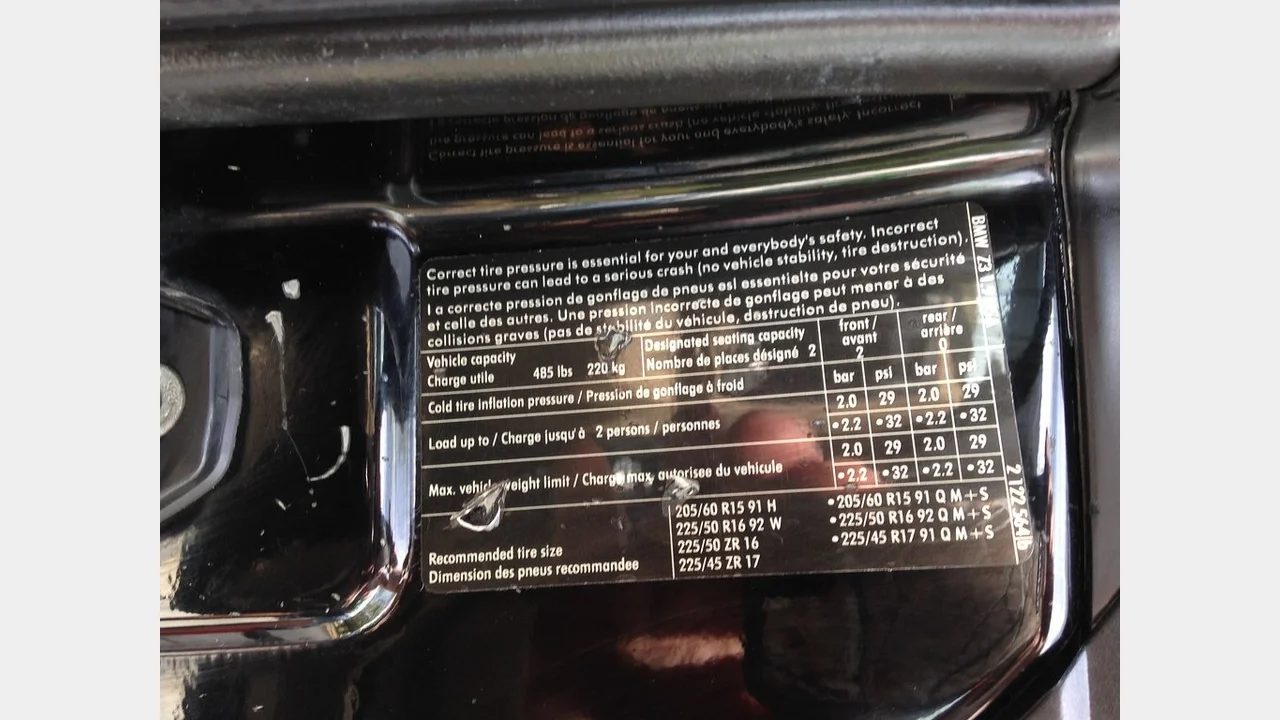
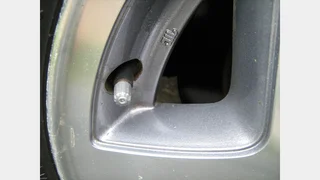
Choosing replacement tire pressure monitoring valve stem caps involves more than matching a thread pattern. The caps seal the valve opening against moisture, dirt and gradual air loss, while also protecting the Schrader valve core that a sensor may read directly or indirectly. Drivers searching for car tire pressure monitor valve stem caps often want a practical balance of corrosion resistance, sealing ability and compatibility with the inflation pressure shown on the vehicle placard. The right choice depends on how the cap mates with the stem, whether it uses an O-ring or gasket, and how it responds to temperature changes and road conditions.
The direct answer
A suitable tire pressure monitoring valve stem cap must first match the thread pitch and diameter of the existing valve stem, then provide a reliable environmental seal. Metal caps with an internal O-ring or gasket generally seal better than plain plastic dust caps, but they can corrode onto the stem if the materials are incompatible or if road salt is present. For a direct replacement, the safest approach is to confirm the valve stem type and choose a cap designed for that Schrader valve configuration rather than relying on universal fit claims alone.
Compatibility also depends on how the cap clears the wheel, brake components and any sensor housing. A tall cap may not fit under certain center caps or aero covers, while a short cap can be difficult to remove with gloves or in cold weather. Checking the existing cap length and thread engagement before buying helps avoid a part that fits the valve but cannot be installed cleanly. The cap itself does not alter the sensor reading unless it leaks, but a loose or cracked cap can allow air loss that changes inflation pressure and eventually triggers the monitoring system.