Tire Pressure Indicator Valve Stem Caps: Do They Work?

Small colored caps promise a quick visual answer to one of driving's oldest questions: is the tire pressure low? Drivers searching for a tire pressure monitor valve stem cap usually want convenience without the cost of rebuilding a full sensor system, but these accessories behave differently from a dash-mounted display. Whether labeled as pressure indicator caps, monitor caps, or gauge caps, their value depends on how they reveal pressure and how well they survive real driving conditions. The right choice requires separating useful warning hardware from fragile novelty items.
The direct answer
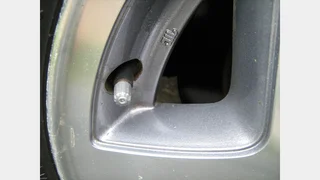
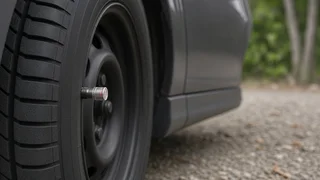
Tire pressure indicator valve stem caps do work as basic warning devices, but they do not provide continuous or precise pressure readings. Most designs replace the standard dust cap with a transparent or color-shifting cap that responds to the pressure behind the valve core. When pressure falls below a set threshold, the visible indicator changes from green to red or yellow. This gives a useful at-a-glance low-pressure alert before a tire becomes visibly soft, which can help a driver catch gradual leaks between manual gauge checks.
The condition that materially changes the answer is calibration. A cap indicator is useful only when the trigger pressure suits the vehicle specification, because a truck tire and a passenger car tire need different warning points. These caps are also vulnerable to contamination, impact, and temperature swings. A tire pressure monitor valve stem cap sensor indicator is therefore best treated as a convenience to direct attention to a suspect tire, not as a replacement for a digital gauge or a factory TPMS.
Function and background
The operating principle depends on the cap pushing inward on the Schrader valve core. When installed, a small pin or plunger depresses the core enough to allow tire air to enter a chamber or press against a spring-loaded diaphragm inside the cap. The indicator mechanism compares that air pressure with an internal reference force. If the tire pressure stays above the calibrated threshold, the display remains green; if system pressure drops, the mechanism relaxes and the red segment becomes visible through the clear lens.
Accuracy and measurement range are limited because the indicator is not a graduated instrument. It reports a pressure state rather than a numeric value, and temperature can affect both the tire air and the cap mechanism. A hot tire often reads higher at the valve stem than a cold tire, while a cold morning can make a pressure drop appear suddenly. This is why owners should check pressure with a conventional gauge before assuming a cap has failed, and why matching the cap's set point to the vehicle specification matters more than absolute precision.
Choosing and buying
Before committing to a purchase, identify the tire's cold inflation target from the door jamb label or owner's material, then compare it with the cap's stated trigger point. Sets intended for passenger vehicles commonly respond in a range suitable for everyday sedans and crossovers, while heavier vehicles need indicators matched to their higher pressures. A tire pressure gauge valve stem cap may also include a small green-yellow-red band instead of a switch point, so the buyer should understand whether the display indicates a warning threshold or a broader pressure range.
Consider connection quality and durability at the same time. Since the cap becomes part of the pressure boundary, its seal must remain secure even when splash, dirt, and road salt collect near the valve stem. Hard plastic housings can crack during off-road use or repeated curb contact, while metal bodies transfer more heat and may be harder to read in dim light. For a tpms tire valve stem caps purchase, choose a design with a clear lens, a protective outer shell, and an installation stem that does not rely on continuous valve core depression to stay attached.
Understanding a problem
A cap that shows low pressure on only one wheel may indicate a slow leak, a damaged valve core, or an imperfect cap seal rather than simply an underinflated tire. The first check is with a reliable handheld gauge. If the tire measures within range but the cap stays red, the indicator may be clogged, mis-calibrated for that axle, or damaged. If the tire is genuinely low, reinflate it and watch whether the cap returns to its green state after a short drive and a stable cool-down.
A cap that reads green while the factory TPMS light remains on should not be trusted as proof that all tires are healthy. Factory systems measure pressure inside the wheel and may detect a sensor fault, a spare tire issue, or a calibration problem that a valve stem cap cannot see. Similarly, an indicator cap that suddenly changes after hard braking or a pothole impact may reflect stress at the valve stem rather than a broad pressure loss. When readings conflict or change abruptly, verify the pneumatic condition with a gauge before replacing parts or continuing to drive.