Pressure-Indicating Valve Stem Caps
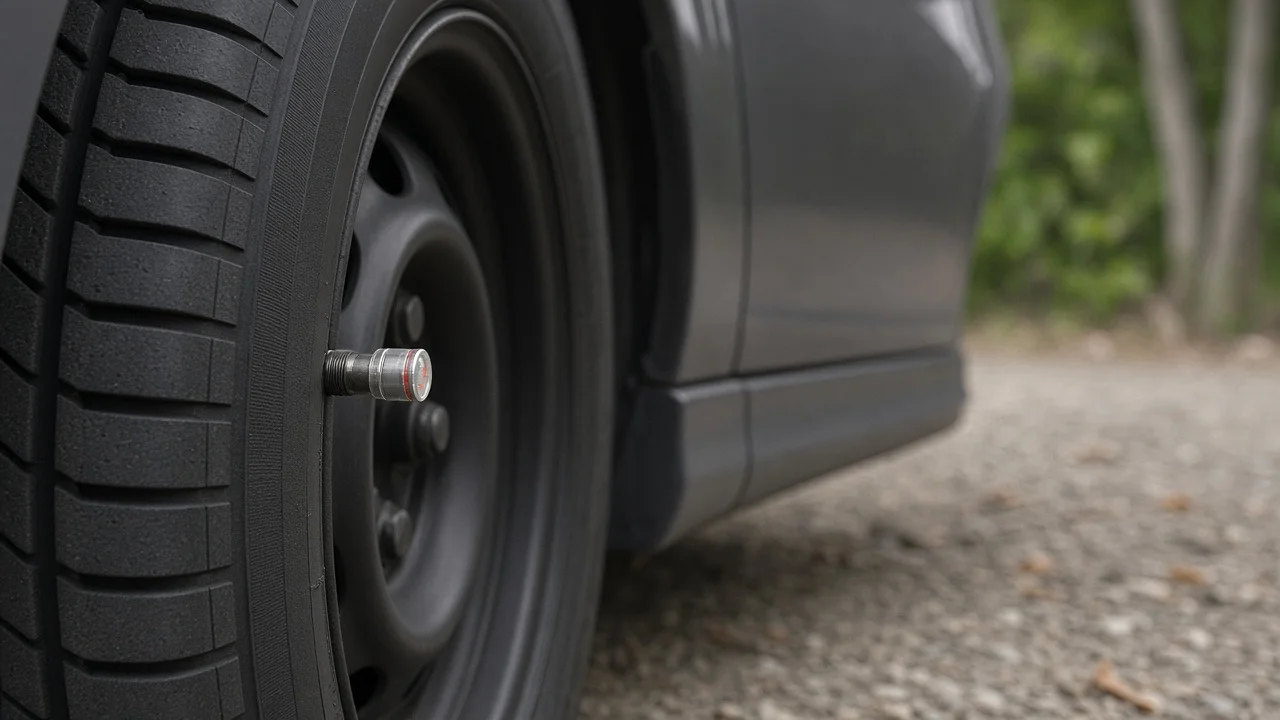
Pressure-indicating valve stem caps give a quick visual reference for tire inflation, but they are not a replacement for a calibrated gauge. A small color window typically moves from green toward red as pressure falls, helping a driver notice slow leaks between checks. The reading is best understood as a screening signal rather than a precise measurement. Temperature, cap seating, and Schrader valve condition can all influence how the indicator behaves. For buyers, the useful question is whether the cap matches the valve stem, tire size, load index, speed rating, inflation pressure, and the vehicle placard setting for the axle it will monitor.
The direct answer
A tire air pressure valve stem cap sensor can provide a convenient at-a-glance warning that inflation pressure has dropped below the level set when the cap was installed. In most designs, the cap presses the valve core only while it is threaded on and sealed, allowing air to act against a spring-loaded indicator. The color or position shown is relative to the pressure setting chosen for that cap, not an absolute reading of the tire’s condition. It works best as a daily pre-drive check that supports, rather than replaces, periodic measurement with a reliable gauge.
Compatibility determines whether the signal is meaningful. The cap must thread securely onto the valve stem without leaking, and its pressure reference should align with the vehicle placard value for the specific tire and axle. A setting far from the recommended inflation pressure can create false confidence. Drivers should also confirm the caps do not interfere with wheel covers, extended metal stems, or tire pressure monitoring system sensors. Without that fitment check, the indicator may be readable but not reliable.