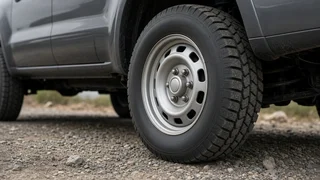
Tire Load Index: How to Read It and Ply Equivalents
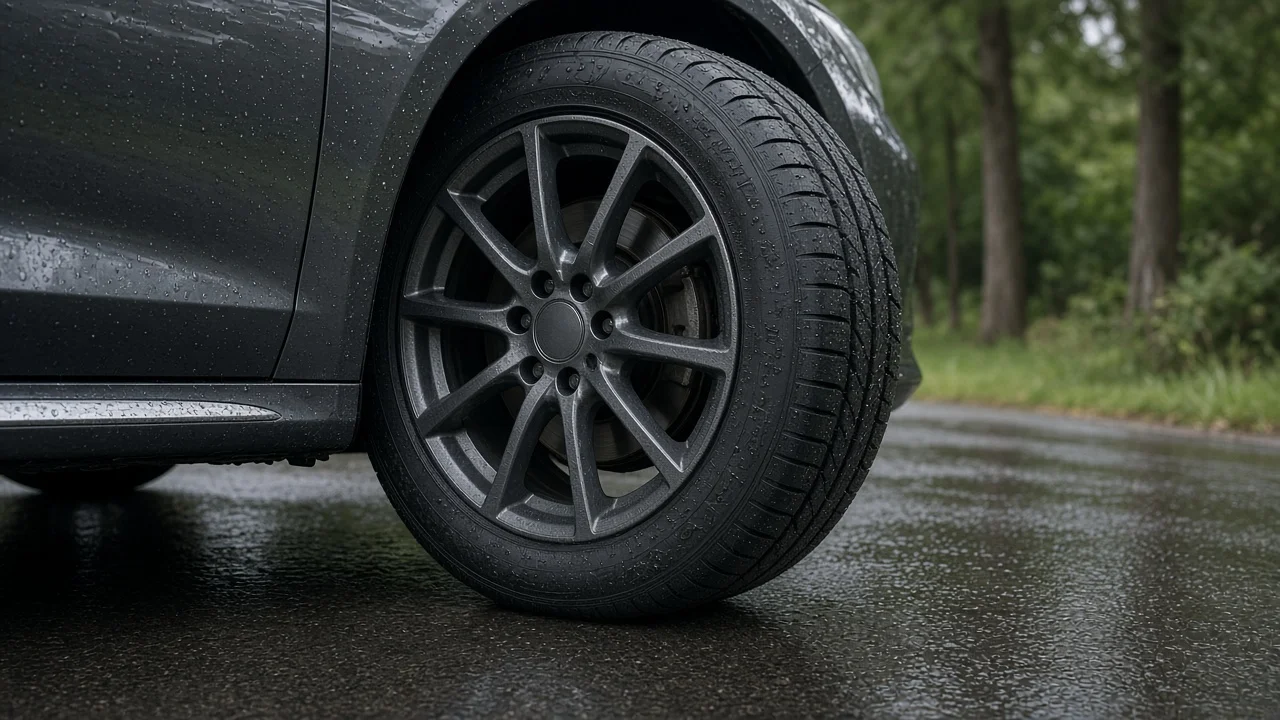
A tire sidewall carries more than a size and speed rating. The small load index number tells you the maximum weight each tire can support when inflated correctly, yet many drivers overlook it until they fit heavier tires or haul a load. Understanding how to read tire load index markings and how they relate to older ply ratings helps you choose a replacement that preserves steering response, braking stability, and durability. This guide explains the index value, its per-tire meaning, and its practical connection to modern 10-ply-equivalent light truck tires.
Direct answer
The tire load index is the two- or three-digit number printed near the end of the sidewall size, just before the speed symbol. It is a code, not a direct weight in pounds. A higher number corresponds to a greater maximum load capacity when the tire is inflated to its rated pressure. To read it, find the number after the rim diameter and load range marking, then look it up on a load index chart. The value is always assigned per tire.
The answer to the recurring question is straightforward: yes, load index is per tire. Each tire on the axle carries its own indexed maximum, so the combined capacity of an axle is twice the single-tire figure. This matters when replacing tires on a pickup, van, or trailer. If you choose a lower index than the original equipment, you reduce the total load margin even though the tire physically fits the wheel and has the same overall diameter.
How to proceed
Begin by reading the complete service description on the sidewall. Locate the number immediately before the letter speed rating, such as 121 in a 10-ply-rated light truck size. That number is the load index. Check the vehicle tire placard on the driver's door jamb or owner's manual for the minimum index specified by the manufacturer. Do not substitute based on physical tire size alone, because two tires with the same dimensions can carry different indexed loads.
The question of whether load index 121 or 126 is a 10 ply tire requires careful wording. Modern radial tires do not use cotton or nylon plies in the old bias-ply sense. A load range E tire is often described as 10-ply-rated because its construction provides strength equivalent to the older ten-ply standard. Load index 121 and 126 are commonly associated with load range E tires, but they do not automatically equal ten plies. The load range letter is the ply-rating marker, while the load index is the exact maximum weight. Always confirm both markings and the vehicle's required load range before purchasing replacements.