6-Ply Tire Load Index
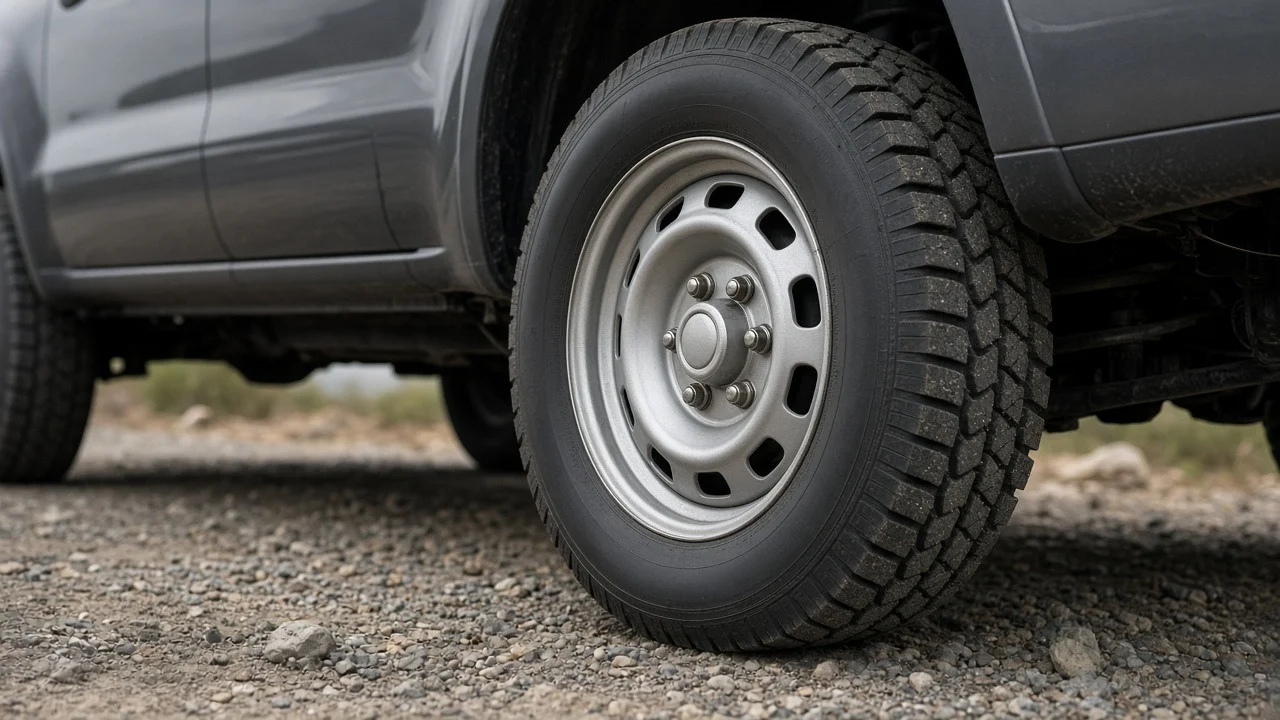
A 6-ply tire load index question often starts at the sidewall, where ply rating and load index serve different purposes. Ply rating describes the casing’s structural class and inflation capacity, while the load index identifies the maximum weight a tire can support when inflated correctly for its application. Understanding both markings helps when replacing light-truck, trailer, or heavy-duty tires. This article explains how a 6-ply rating relates to load capacity, not as a direct conversion to a numeric load index, and how to interpret tire size, speed rating, vehicle placard, and inflation pressure for safe selection.
Essential answer
A 6-ply tire rating is a strength category carried over from older bias-ply construction, where more plies generally meant more load capability at higher inflation pressure. Modern radial tires use fewer but stronger plies, so the rating remains a way to compare service intent rather than a literal count of layers. The load index is a separate numeric code, usually found after the tire size and before the speed rating, that corresponds to a maximum load in pounds or kilograms. A 6-ply designation does not automatically equal one fixed load index because load capacity also depends on tire size and inflation pressure.
To understand a specific 6-ply tire, read the complete sidewall sequence. For example, a light-truck tire may show a size such as LT245/75R16, followed by a load range letter and a load index number. The load range letter often replaces the older ply rating language, with Load Range C commonly associated with a 6-ply rating. The load index and speed rating then describe the service limits for that size. Comparing this information with the vehicle placard helps confirm that the tire has enough drivetrain compatibility, tread depth capability, and load margin for the intended axle.