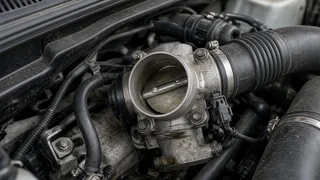
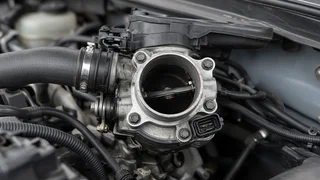
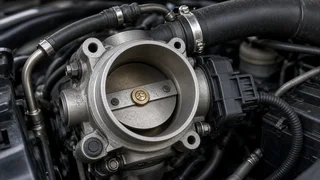
Throttle Body Cleaning on a Diesel Car
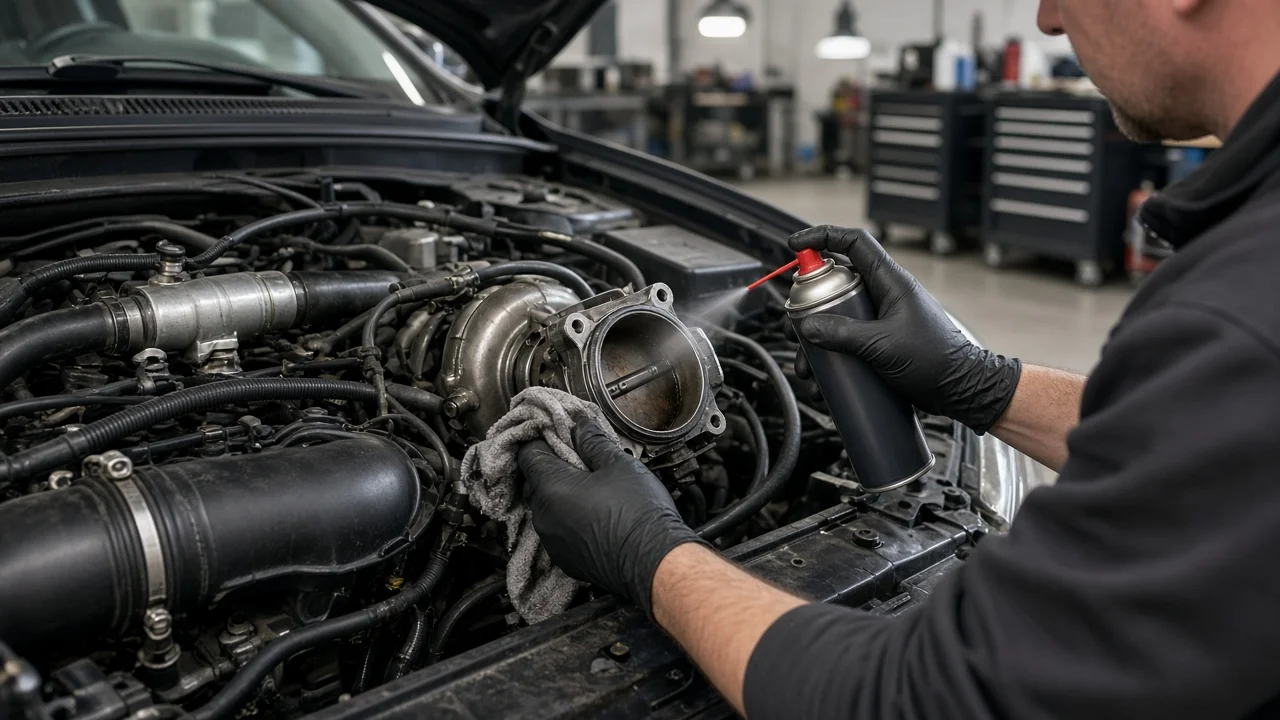
Diesel owners sometimes ask whether a throttle body needs cleaning, because the component looks familiar from gasoline engines but behaves differently in a compression-ignition vehicle. Many modern diesels include a throttle plate, yet it mainly supports airflow management, exhaust gas recirculation, and orderly shutdown rather than controlling air-fuel ratio the way a gasoline throttle does. Deposits can still accumulate from crankcase vapors and EGR residue, but the symptoms and service reasoning differ. Understanding that diesel role helps a driver judge when cleaning is useful and when other checks, such as fuel pressure, injector condition, filtration, or fuel trim behavior, are more relevant.
Essential answer
Throttle body cleaning on a diesel car is a selective service, not a routine equivalent of gasoline-engine maintenance. The throttle plate in many diesel applications is not the primary accelerator control, so light film may cause no noticeable driveability concern. Cleaning becomes appropriate when inspection shows heavy oily sludge, carbon accumulation, or restricted plate movement that can interfere with intake airflow, EGR behavior, or shutdown quality. The essential answer is that the procedure can be worthwhile, but only when the specific diesel design uses a throttle assembly and the observed contamination supports the work.
Before proceeding, a driver should separate throttle fouling from fuel-side possibilities. A diesel that starts poorly, idles roughly, or feels weak may have restricted fuel flow from a clogged fuel filter, a weak fuel pump, injector wear, or fuel pressure loss. A fuel leak check and an evaluation of fuel trim data can often reveal whether the engine is compensating for delivery problems rather than intake restriction. Throttle body cleaning is therefore a diagnosis-based step, not a guaranteed fix for every running issue.