Three ball trailer hitch
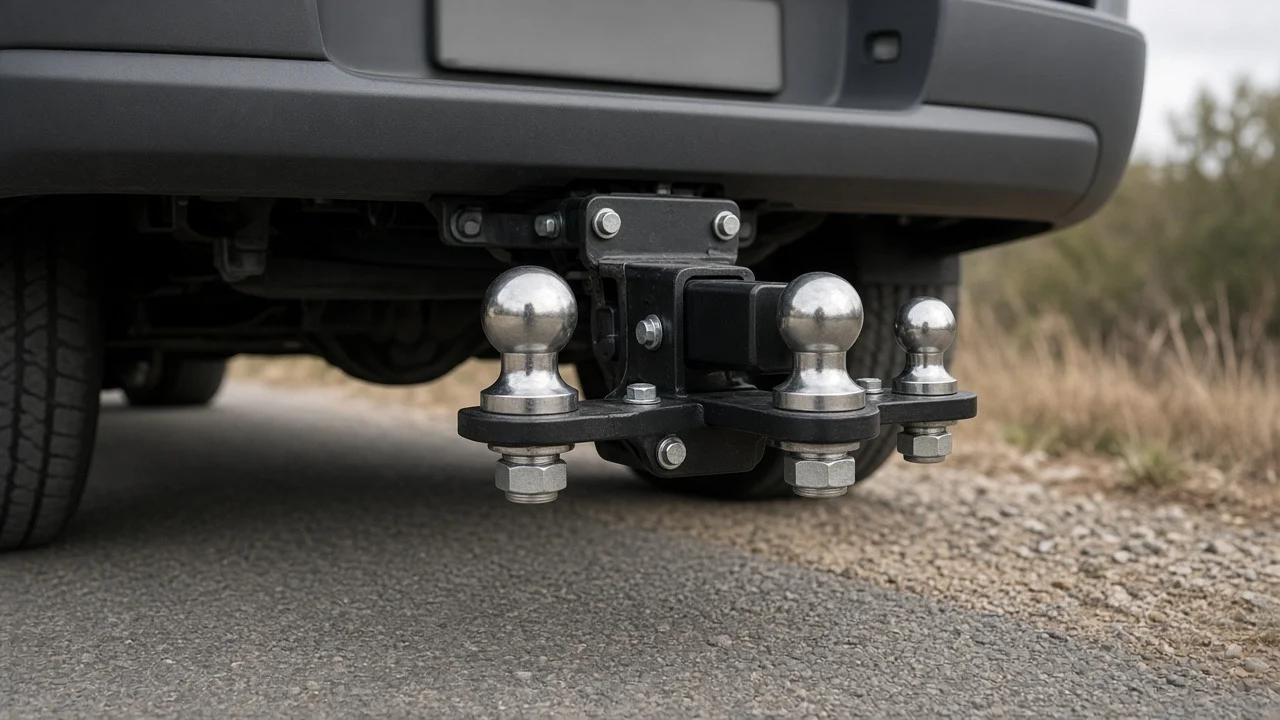
Choosing a three ball trailer hitch often comes down to matching the right ball diameter to each trailer coupler without swapping a conventional single-ball mount every time. The practical appeal is a single receiver-mounted head that carries three welded or bolted balls in a common configuration, such as 1-7/8, 2, and 2-5/16 inches. Because towing loads, tongue weight, and coupler fit differ among small utility trailers, boat trailers, and heavier campers, the useful purchase decision is less about grabbing the largest-looking head and more about verifying the drawbar shank, trailer payload, and the entire hitch system against your truck or SUV's ratings.
The direct answer
A three ball trailer hitch can be a practical choice when you regularly tow different trailers, but the immediate answer is conditional: it must match your tow vehicle's receiver size, the drawbar's gross trailer weight capacity, and the coupler size on every trailer you intend to pull. A head with 1-7/8, 2, and 2-5/16-inch balls eliminates most receiver-mounted ball changes, yet that convenience only helps if the shank fits a Class III, Class IV, or Class V receiver and its published load rating meets the combined weight of the loaded trailer.
The second condition involves geometry and clearance. The three balls spread load across a wider head, so the usable capacity is governed by the lowest-rated ball in the setup, not the largest one. Before buying, check the vertical rise or drop needed to keep the trailer level, confirm the coupler latch fully seats around the selected ball without interference from adjacent balls, and compare the hitch's tongue weight rating with what your tow vehicle's axle rating and payload can support once cargo and passengers are counted.