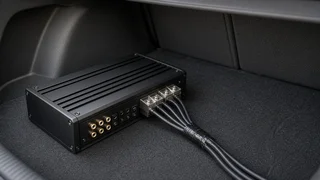
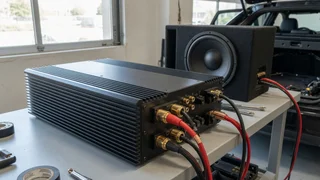
Taramps HD 3000 amplifier
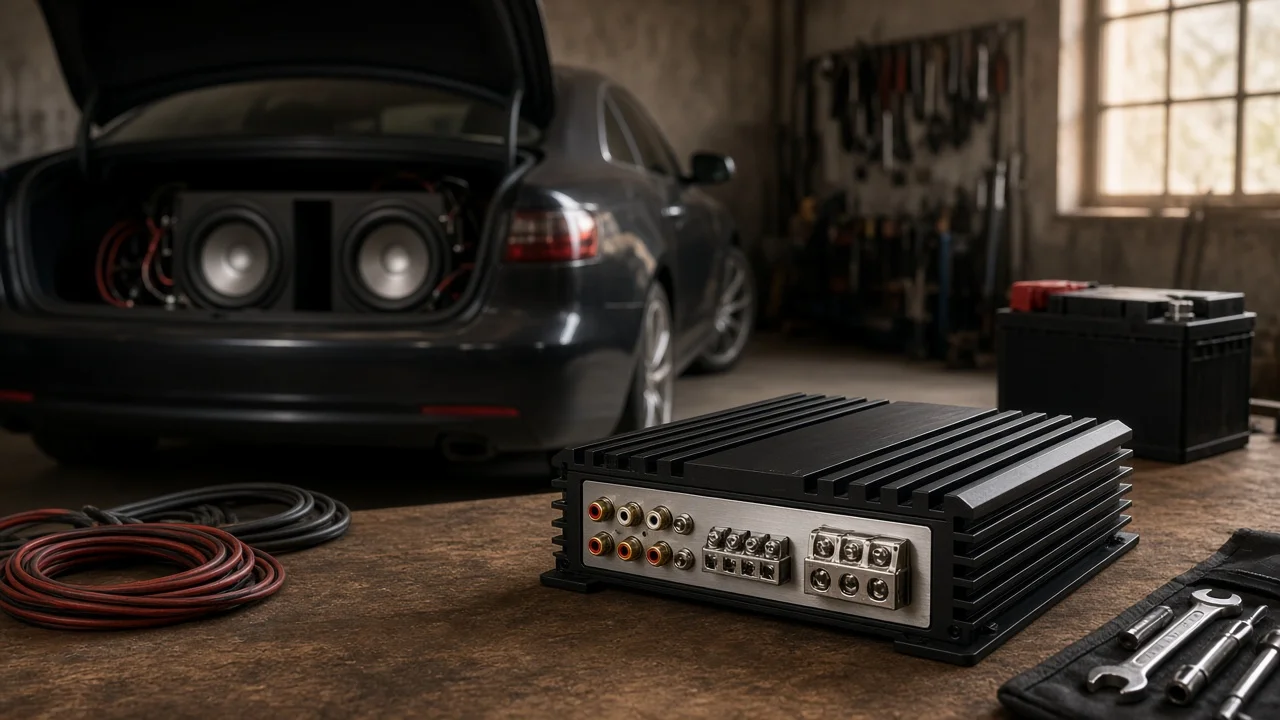
Choosing a Taramps HD 3000 car audio amplifier means evaluating whether your electrical system can support its current demand and whether your speaker wiring matches the load you plan to run. This Brazilian-designed full-range amplifier is popular in setups where space is limited but output expectations are high. Before buying, you should confirm the impedance your subwoofers or speakers present, especially the 2-ohm configuration that many owners consider. A clean audio source and proper vehicle integration matter as much as the amplifier itself. The following direct answer explains the key purchase and installation checks without assuming this one component fixes every limitation in a signal chain.
The direct answer
The Taramps HD 3000 is a compact, high-output car audio amplifier intended for systems that can provide stable voltage and adequate current. It is not a universal plug-and-play solution for every head unit or factory audio source. The meaningful condition is impedance: if your speaker wiring results in a 2-ohm final load, the amplifier should operate within its designed range, but you must verify that the connected drivers can handle the resulting power. Manufacturer-dependent specifications require confirmation for your exact revision, so treat the model number as a starting point rather than a complete electrical profile.
Before purchase, inspect your vehicle integration path from the head unit through the signal reception and into the amplifier. A weak input signal or noisy antenna feed will be amplified along with the music, so the amplifier cannot correct a poor source. Plan the power and ground cable routing, fuse placement, and speaker wiring gauge carefully. If you are unsure about the total impedance of multiple voice coils or the current capacity of your alternator and battery, resolve those questions first. The amplifier purchase decision is only sound when the supporting electrical and signal hardware is matched to the intended load.