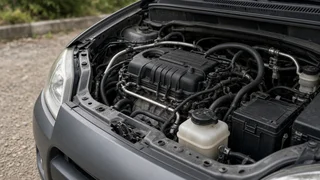
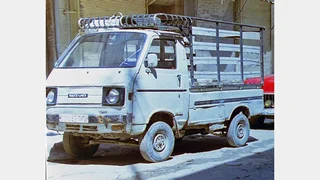
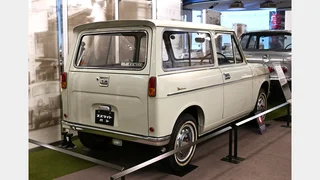
Suzuki LC car
A search for “Suzuki LC car” often mixes a short model code with an owner’s need to identify a vehicle accurately. The LC designation has appeared on different Suzuki products depending on market specification, model generation, and body style, so there is no single universal definition. In many references it functions as an internal chassis or variant code rather than a standalone consumer model name. Because trim level, powertrain variant, and model year can shift what the letters describe, the essential task is to determine which Suzuki family and regional product the code belongs to before drawing conclusions about equipment, capability, or parts support.
Essential answer
The direct answer is that “Suzuki LC” is best understood as a model or chassis identifier whose meaning changes with context. It is not, by itself, a US market name for one widely sold vehicle. Instead, LC may appear as part of a longer factory code, a Japanese domestic model designation, or a regional shorthand for a particular Suzuki generation. A reader searching the term should first look for the full chassis prefix, model year, and original market specification, because those details materially change which vehicle, engine family, and body style are being discussed.
Without a confirmed subject code, treating LC as a precise specification would be misleading. The useful automotive step is to use the letters as a filter rather than a conclusion. If the code appears on a data plate, registration, or parts catalog reference, compare it with the surrounding chassis sequence and any engine designation. A factory code beginning with LC can point to a small passenger car platform, but the available evidence does not support asserting exact displacement, drive layout, or feature content. The safest description is that LC identifies a model variant requiring regional and generation-specific confirmation.