Suzuki car comparison

Comparing Suzuki models means looking beyond a badge to see which body style, powertrain configuration, and trim level actually fit your daily driving. A Suzuki car comparison often starts with a simple question about size or fuel economy, but the more useful answer comes from matching a model generation and market specification to the roads, passengers, and cargo you expect. In the US, the available lineup has changed over the years, so your decision may include used models as well as older new stock. By separating meaningful differences from minor specification variations, you can narrow the field without chasing numbers that do not match your needs.
Direct answer
The direct answer is that the best Suzuki for you depends on whether you need a small commuter, a compact SUV, or a practical hatchback, and the comparison should prioritize body style and powertrain before extra features. There is no single model that wins every Suzuki car comparison because a lightweight front-wheel-drive car and an available all-wheel-drive crossover serve different jobs. If you mostly drive alone on paved roads, a smaller car usually makes more sense through lower weight and simpler running costs. If you regularly carry rear passengers or need winter traction, a different model generation or drivetrain becomes more relevant.
Trim level matters after you settle on the right model, not before. Comparing a base commuter trim with a loaded all-wheel-drive trim can make two versions of the same model feel completely different, yet the underlying platform remains the same. For a fair direct answer, first compare same body styles and similar market specifications, then look at equipment differences. This prevents a well-equipped hatchback from being judged against a base crossover as though they were direct competitors. The immediate answer is therefore conditional: choose the smallest vehicle that comfortably meets your passenger and cargo needs, then compare trim levels within that class.
Differences and suitability
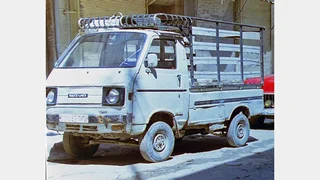
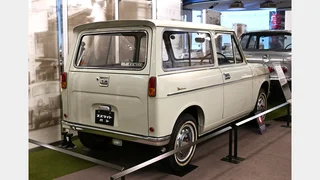
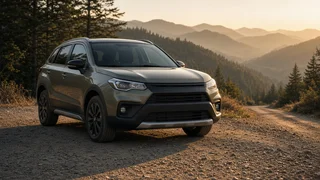
Body style creates the biggest practical difference in any Suzuki car comparison. A subcompact or compact hatchback tends to feel easier to park, lighter on its feet, and more efficient in stop-and-go driving, while a small SUV provides a higher seating position and often a more flexible cargo area. The tradeoff is usually found in daily maneuverability and fuel use. A taller vehicle may carry bulky items more easily, but a shorter, lighter car can feel more direct when turning or braking. For city drivers, body size may matter more than maximum cargo volume because narrow streets and tight parking change the ownership experience every single trip.
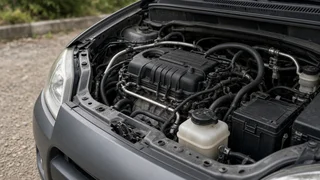
Powertrain configuration is the second major factor after choosing a body style. Front-wheel drive keeps the mechanical layout simple and tends to suit warmer climates and mainly paved roads, while available all-wheel drive adds traction in rain, snow, or loose surfaces at the cost of added weight and complexity. Model year and model generation also affect how these systems behave, because older all-wheel-drive setups may engage more abruptly than modern electronically controlled units. When comparing used Suzukis, check that the drivetrain, body style, and market specification on each candidate are consistent so you are not treating a dressed-up city car and an outdoor-oriented model as equal alternatives.