Suburban Magnetic Ride Control: Equipment and Buying Considerations
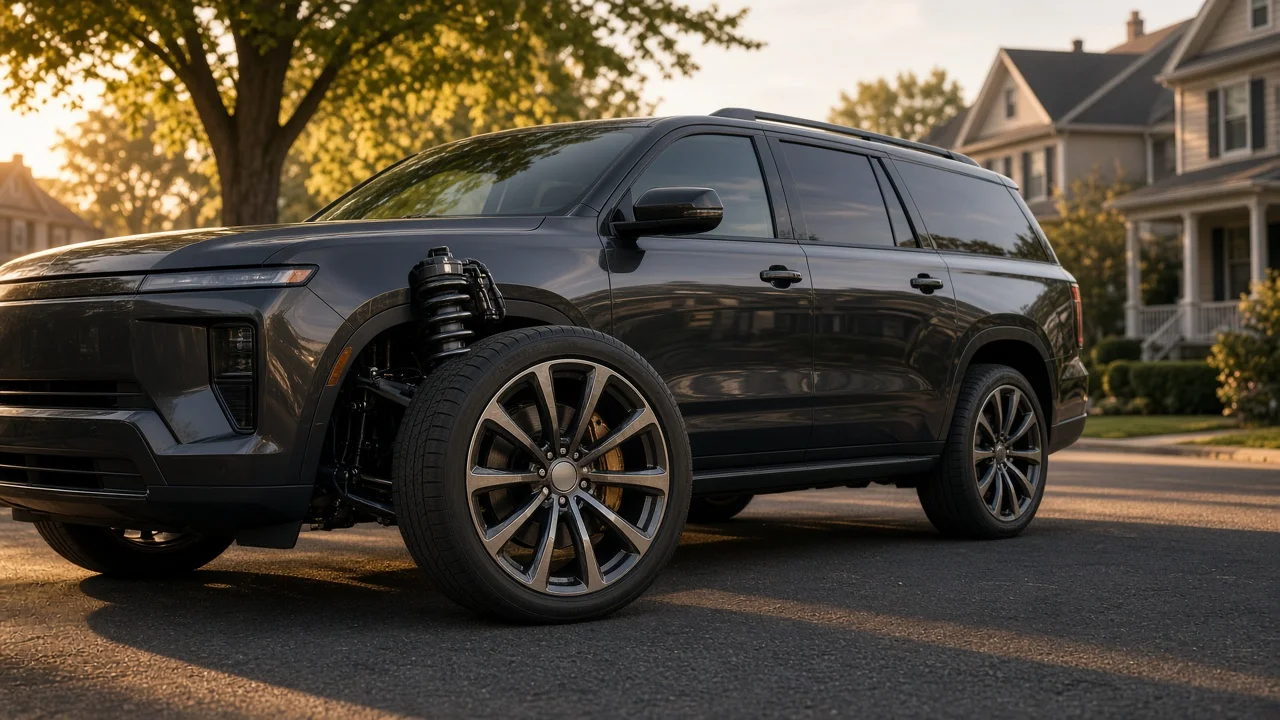
Magnetic Ride Control on a Chevrolet Suburban uses dampers filled with magnetorheological fluid. A controller varies the current through an electromagnet in each piston, and that changes how firmly the damper resists movement. When one of these shocks leaks or a suspension warning appears, owners have to choose between replacement magnetic dampers, conversion kits and related parts. This guide covers how to match parts to your truck, which features matter, what ownership involves, and how to narrow the options without relying on marketing claims.
Define the job the product must do
Start with what is actually wrong. Owners usually shop for Magnetic Ride Control parts because of a leaking damper, a suspension warning on the dash, a harsh or floaty ride, or a clunk over bumps. Not all of these point to the dampers. Before buying anything, have the system scanned for stored fault codes. Look for fluid on the damper bodies and inspect the connectors and harness near each corner. Check tires, wheel bearings, control arm bushings, and ball joints and tie rod ends for joint play. Worn steering and suspension parts can cause noise and wander that a new shock will not cure.
Then decide what the purchase must achieve. If you plan to keep the truck for years and value the factory ride, replacement magnetic dampers that restore adaptive control are the logical target. If the vehicle is older and the goal is a sound, safe ride at lower cost, some owners consider converting to conventional dampers. Load also matters. Regular towing, full passenger loads or heavy cargo put demands on damping and, where fitted, on rear leveling. Finally, be realistic about where the work will be done. Front damper replacement may involve a strut assembly with a compressed coil spring, and the job needs proper vehicle support on level ground. Decide early whether you will install the parts yourself or budget for a shop.
Check compatibility
Magnetic ride control on the Suburban was offered only on certain trims and model years, and the hardware changed between generations. Confirm that your truck has it instead of assuming it from the trim name. The suspension option code is printed on the Service Parts Identification label. A VIN-based parts lookup at a dealer parts counter or through a reputable catalog is the most dependable way to match part numbers. Also note the drivetrain, because two-wheel-drive and four-wheel-drive versions can use different front components.
Compare each candidate part against the interfaces on your vehicle. Check the upper and lower mounting points. Check whether the front unit is a bare damper or a complete strut assembly with spring and upper mount. Check the electrical connector shape and pin count, and the length of the pigtail. Then look at how the part relates to ride height and leveling. Some versions pair magnetic dampers with rear leveling or a full air suspension, and parts designed for a coil-spring rear will not suit an air-sprung rear, or the reverse. If a listing does not state the generation, drivetrain and suspension code it fits, treat compatibility as unconfirmed.
Features that affect the choice
Replacement options fall into three broad groups. Original-equipment dampers carry the factory part number and restore the system as designed. Aftermarket magnetic replacements aim to do the same at a different price. Judge them by whether they list your exact suspension code and connector and by their warranty terms, not by labels such as premium or OE-quality. Conversion kits replace the magnetic dampers with conventional ones. They usually include an electronic module or resistor plug meant to keep the controller from setting a fault. Ask exactly what that component does, whether it covers all four corners, and whether the seller states how it behaves on your generation.
The core trade-off is simple. A conversion removes adaptive damping, so the truck can no longer firm up the suspension during cornering, braking or heavy loading as the factory system does, and the ride will differ from original. Magnetic replacements keep that capability but typically cost more per corner. Useful evidence when comparing listings includes a cross-reference to the factory part number, a clear statement of whether the part is new or remanufactured, whether upper mounts or hardware are included, and a written return policy for fitment errors. Star ratings and phrases like heavy-duty or performance tuned tell you little about whether a part suits your truck.
Limitations and ownership costs
Installation involves more than swapping parts. Support the truck on rated jack stands at the manufacturer's lift points and chock the wheels. If the vehicle has air suspension, follow the service procedure for disabling automatic leveling before lifting so the system does not adjust while you work. Disconnect and protect the damper connectors. Torque every bolt to the fastener specification in the service information rather than a generic value, and note that some fasteners may be designated for one-time use. If a front strut assembly has to be taken apart, use a proper spring compressor or buy a complete loaded assembly instead.
After the work, clear any stored codes and confirm on a test drive that no suspension warning returns. Depending on the vehicle and parts, this may require a scan tool. Front strut replacement can change camber or toe, so plan for a wheel alignment check. Budget for more than the dampers themselves: replacement in axle pairs, upper mounts, possible harness or connector repair, the alignment, and labor if a shop does the job. Keep in mind what new dampers cannot fix. They will not correct worn ball joints, tired springs, a failed ride height sensor, existing uneven tire wear, or a fault in the suspension control module itself.
Build a practical shortlist
Narrow the field with a short checklist rather than a ranking. For each candidate, record whether it is confirmed for your model year, drivetrain and suspension option code. Note whether it is a magnetic replacement or a conversion, whether the connector and mounting design match, and what comes in the box.
Next, note the warranty length and what it covers, the return policy for fitment mistakes, and whether the seller identifies the factory part number being replaced. For conversions, add whether an electronic module is included and whether it is stated to suppress warnings on your generation. Then total the real cost: parts for both corners of an axle, mounts and hardware, alignment, and installation. With those facts side by side, the choice usually becomes clear. Restore magnetic damping if you want the original ride and plan to keep the truck for a long time, or consider a well-documented conversion if cost and simplicity matter more. If anything remains unconfirmed, ask the supplier or a dealer parts department before ordering.