Subaru Steering Angle Sensor Location
Locating a Subaru steering angle sensor begins with understanding what the component measures and why its mounting point matters for vehicle behavior. The sensor reports steering wheel position and rotation so stability and traction systems can compare driver intent with actual yaw and wheel speed. Its location affects diagnostics because access, connector routing, and nearby wiring differ by platform. Position accuracy depends on secure mounting and calibration after service. The following sections explain the essential answer and identification cues for finding this component without assuming a single mounting style applies to every Subaru configuration.
Essential answer
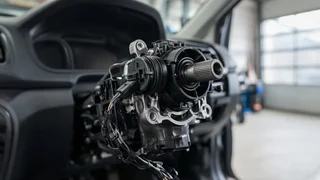
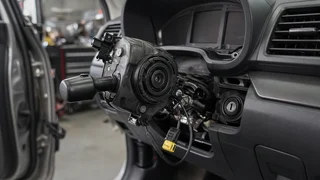
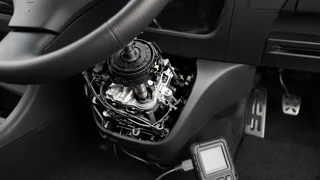
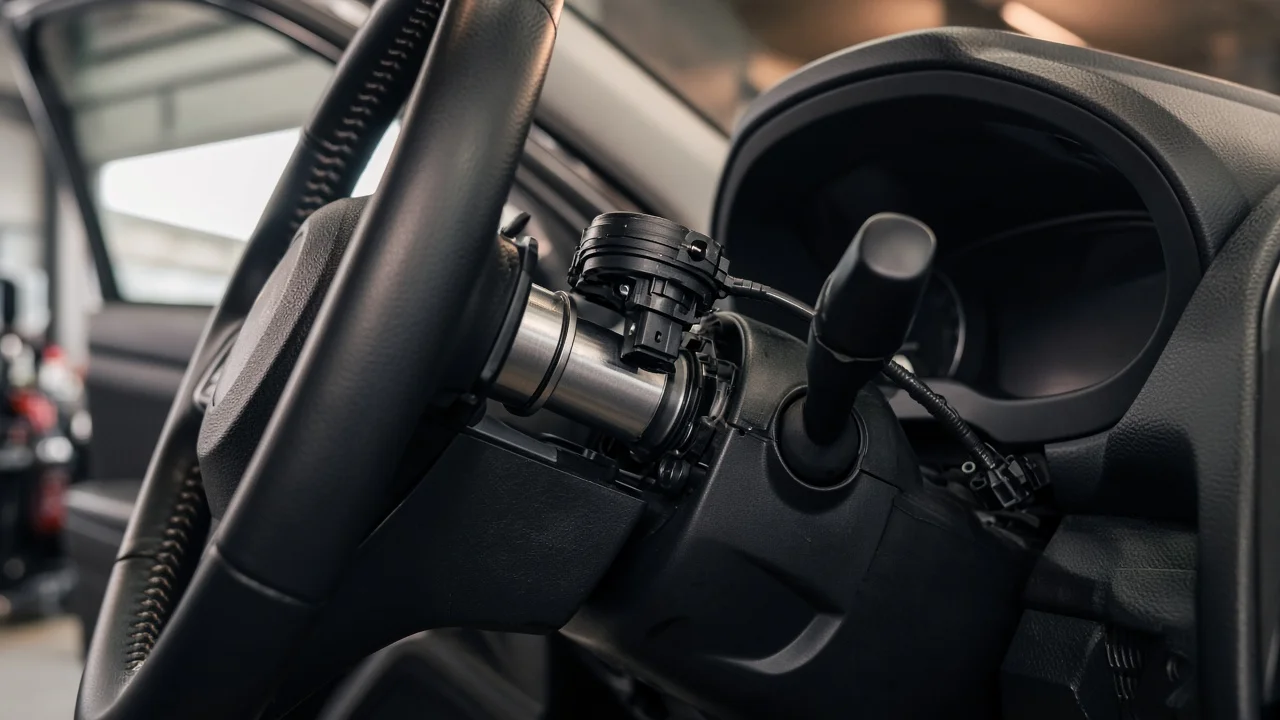
The steering angle sensor is typically integrated with the steering column area or combined with the clockspring assembly behind the steering wheel. On many Subaru models, the component sits between the steering wheel and the column shaft so it can track rotation directly. This placement lets the sensor measure steering input close to the driver while keeping the wiring path short and protected. The exact location can shift slightly depending on trim, model year, and whether the vehicle uses a conventional hydraulic or electric power steering arrangement.
Because the sensor works with yaw, lateral acceleration, and wheel speed data, its signal must be interpreted in relation to vehicle coordinates. The system uses that information to judge whether the car is following the intended path. When the sensor is removed, replaced, or disturbed, the zero point may need to be relearned. A fault code indicating a steering angle problem is a diagnostic starting point, not proof that the sensor itself is defective. Wiring, alignment, and module communication should also be considered before replacing the part.
Identification and location
Identification usually starts with the area just behind the steering wheel. The sensor may be visible as a ring-shaped electronic module on the column, or it may be hidden within the steering angle and clockspring housing. To find it, trace the harness that follows the column from the wheel toward the dash. The component often has a multi-pin connector for power, ground, and data. Some designs separate the angle sensor from the clockspring, while others package them together, so visual confirmation matters before ordering a replacement.
Location cues can be identified without removing trim by checking the service information for the specific vehicle configuration. The sensor is not generally mounted at the steering rack or near the wheels on most Subaru passenger cars, although the steering torque sensor on electric power steering systems may be located closer to the column motor or gear assembly. Distinguishing the angle sensor from the torque sensor is useful because their functions differ and their connectors are not interchangeable. A clear view of the column and its attached modules helps avoid confusing adjacent controls.