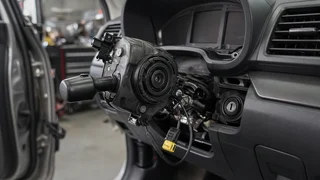
Subaru Outback 2011 steering angle sensor
A steering angle sensor issue on a 2011 Subaru Outback usually appears as warning lights, altered steering effort, or stability-control behavior that feels different from normal. The sensor reports steering wheel position so the vehicle dynamics system can compare driver intent with yaw and wheel-speed data. On this generation, diagnosing the fault requires separating the electronic signal path from mechanical wear because a binding column, changed ride height, or alignment correction can create readings that mimic a failed sensor. The goal is to understand how the part fits into the stability system and what practical checks help confirm the cause before replacing hardware.
Essential answer
The steering angle sensor on a 2011 Subaru Outback is part of the network that supports electronic stability and traction functions, not a standalone indicator. It measures how far and how quickly the steering wheel turns from a learned center position. When that reference is lost or the signal becomes implausible, the vehicle may disable dynamic assistance, illuminate a warning lamp, or store a manufacturer-specific fault code. The essential answer is that the component is one input among several; a stored code points toward that circuit, but it does not by itself prove the sensor is the failed part. Confirming the data with a compatible scan tool is the standard first interpretation.
A useful diagnosis begins by viewing live steering angle data with the wheels pointed straight ahead and the steering wheel centered. If the value changes smoothly through the full lock-to-lock range but does not return near zero, the problem may be a zero-point calibration issue rather than an internal sensor failure. Physical influences can also disturb that baseline. Components with joint play, shifted mounting points, or rack movement under load may let the road surface move the wheels without a matching steering wheel input. In those cases the sensor reads an angle that conflicts with the yaw and lateral acceleration signals, and the control module may set a plausibility fault. Distinguishing an electronic concern from a mechanical alignment or suspension fault prevents unnecessary sensor replacement and directs attention to the supported evidence from the vehicle data.