Subaru lesbian car stereotype
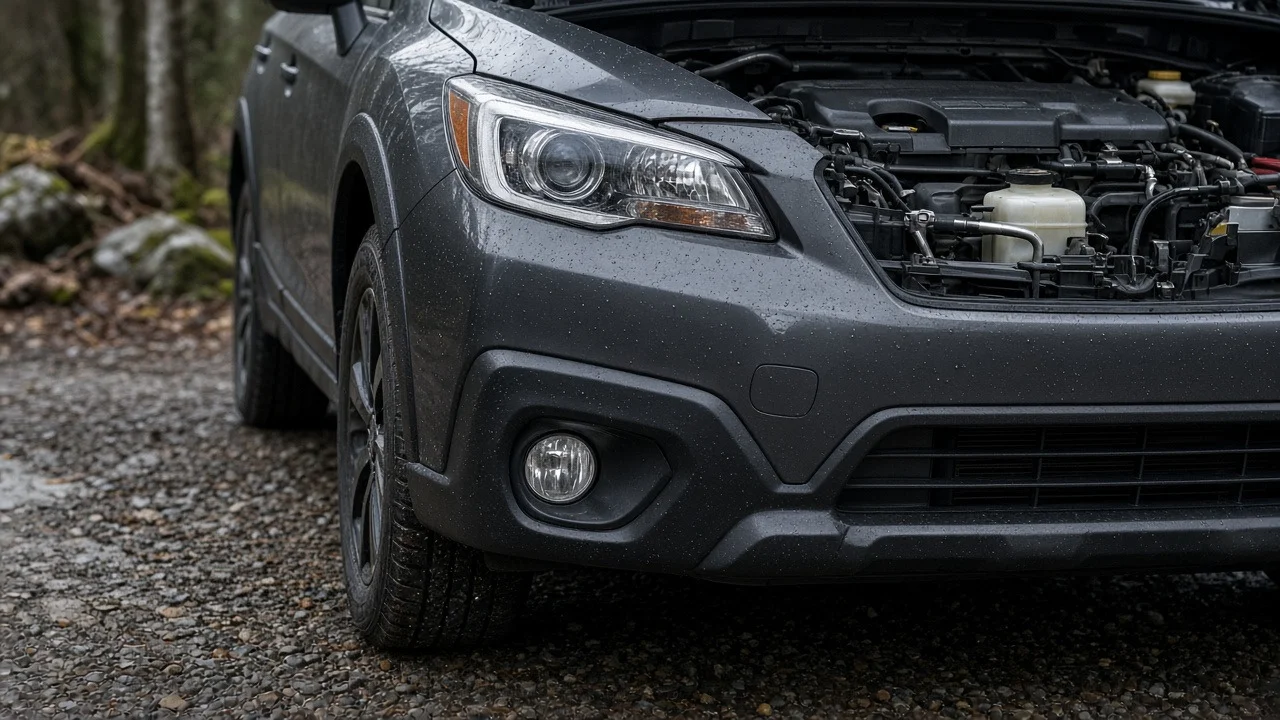
The Subaru lesbian car stereotype is a durable piece of American automotive culture rather than a technical description of the vehicle itself. It describes a widely recognized public perception that Subaru models, especially the Outback and Forester, have particular appeal among lesbian drivers. The idea connects practical all-wheel-drive capability, cargo flexibility, and understated styling with a history of targeted marketing that invited diverse owners to see the brand as their own. Understanding the stereotype means separating cultural shorthand from the real reasons any buyer might choose a Subaru wagon or crossover.
Essential answer
The essential answer is that the Subaru lesbian car stereotype is a cultural association, not a factory specification or an official product category. Subaru did not engineer a lesbian car, but the brand became linked with lesbian identity through a combination of long-running advertising choices, word-of-mouth visibility, and the everyday suitability of models like the Outback for active, outdoor-oriented owners. The stereotype functions as shorthand for a recognizable ownership pattern while leaving out the broader mix of people who drive the same vehicles for unrelated reasons.
At its core, the label points to how a car can acquire social meaning beyond its hardware. A Subaru Outback may be called a lesbian car because its wagon-like shape, all-wheel-drive traction, roof-rail capacity, and dog-friendly cargo area align with lifestyles often depicted in the stereotype. The term is imprecise and playful rather than demographic proof. In automotive terms, the enduring idea matters mainly because it shows how brand image, identity marketing, and real-world usability can influence which vehicles become associated with particular communities.