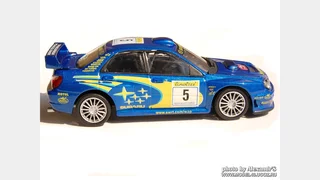
Subaru Impreza rally car interior

A Subaru Impreza rally car interior is not a softened showroom space. It is a working control environment shaped around competition rules, crew safety, weight reduction, and rapid service. Readers researching “subaru impreza rally car interior” usually want to know what remains after stock trim is removed and why those changes matter. The cabin still recalls the production car’s layout, but the seats, harnesses, controls, switch panels, door cards, and trim material are selected for function rather than comfort. Understanding that shift in purpose helps explain how a rally interior differs from a street Impreza or a track-day build. The visible result is purposeful and sparse, yet every remaining component has a clear job during a stage.
Essential answer
A Subaru Impreza rally car interior is best understood as a reinforced, simplified cockpit rather than a standard passenger cabin. Factory carpet, headliner, rear bench, and decorative panels are commonly removed to cut weight and improve access to wiring, hydraulics, and roll-cage tubes. In their place, teams install competition seats, multi-point harnesses, a fire-suppression control, an intercom, navigation displays, and switches for lights, wipers, fans, and auxiliary systems. The fundamental identity remains recognizable because the dashboard structure and some original controls may be retained, but the surrounding trim material is reduced or replaced. The direct answer is therefore qualified: no single layout defines every car, since preparation varies by class, era, and team.
Material compatibility and repair method become important when maintaining a rally interior because the cabin mixes factory plastics with fabricated aluminum, carbon, or composite panels. The attachment points for codriver foot braces, map lights, and switch consoles may be welded, riveted, or bolted to the cage or chassis. Surface preparation matters when bonding or wrapping panels, and the chosen finish must tolerate vibration, dust, moisture, and frequent glove contact. For an owner evaluating a used competition shell, the interior condition reveals preparation quality but does not prove mechanical fitness. A stripped floor or nonstandard harness mount should be viewed as evidence of a particular build style, not automatically as a defect or complete safety system.