Subaru history
Subaru car history is often summarized by its signature flat engine and standard all-wheel drive, but the road to that identity follows a longer arc of small-car experimentation and utility-focused design. Tracing the production period from early postwar prototypes through successive model generations shows how the brand arrived at current engineering choices. Understanding that development helps shoppers interpret factory specification claims, market introduction patterns, and why the powertrain layout became central to the company’s reputation for capable, versatile vehicles.
Essential answer
The essential answer is that Subaru is the automobile division of a Japanese transportation conglomerate, and its car history is defined by the gradual adoption of a horizontally opposed engine and all-wheel drive across much of its lineup. This did not happen overnight. Early production focused on compact, affordable models before the company committed to the mechanical layout now associated with the name. Brand identity therefore grew from engineering consistency across model generations rather than from a single founding vehicle.
A practical way to understand that identity is through the powertrain layout. A flat engine sits low in the chassis and pairs naturally with a longitudinal drivetrain, which simplifies routing power to all four wheels. This connection explains why the company could extend the same fundamental platform logic across sedans, wagons, and crossover utility vehicles. When researching any specific model, vehicle history matters because changes in production period, market introduction, or factory specification may affect how a given car was equipped and how it behaves.
History and development
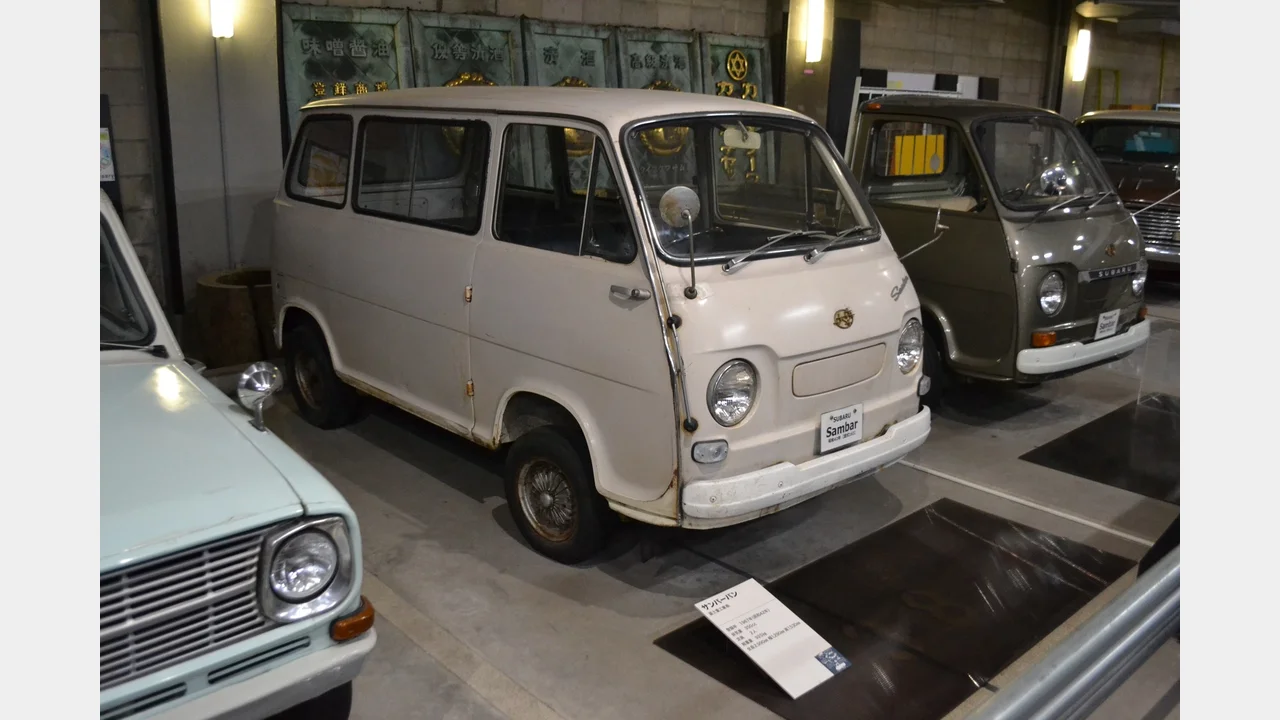
Subaru car history began with a company formed from earlier aircraft and industrial manufacturing operations. Its first automobile efforts were small and modest, developed during a period when Japan’s passenger car market was still taking shape. Those early products tested lightweight construction and compact packaging. The design development process was cautious, but it established manufacturing capability and a willingness to enter market segments where the company could differentiate itself through mechanical simplicity and practical body styles.
The modern direction emerged more clearly as engineers refined the flat engine and began offering four-wheel drive in regular production cars, not just specialized off-road vehicles. This shift occurred across several model generations and changed how the brand was perceived. The combination influenced cabin packaging, ride height, and traction behavior. Because production periods overlap with different factory specifications and regional market introductions, a vehicle history check is useful when comparing used examples or identifying which engineering changes apply to a particular car.