Subaru Forester Timing Chain Replacement Guide
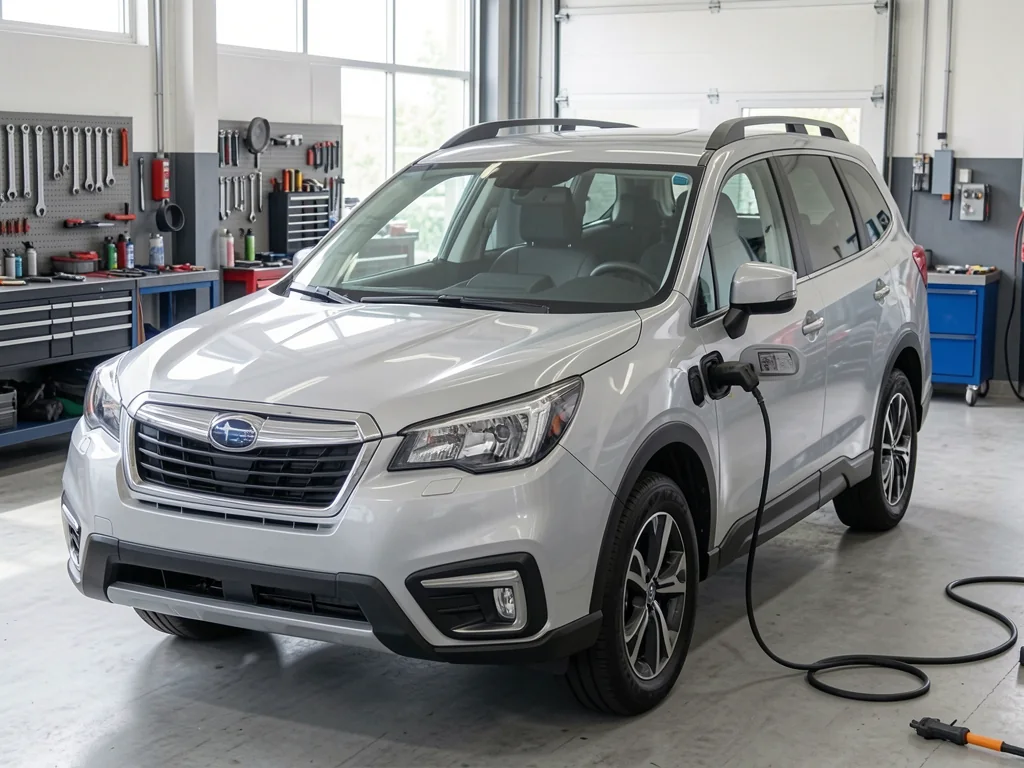
Subaru Forester timing chain replacement depends on the engine in the vehicle, not on a generic procedure. The chain keeps crankshaft and camshaft motion in step, so engine identification, service information, and a confirmed timing-system fault matter before any repair estimate. Some Forester engines use a timing belt instead of a chain. Owners who document symptoms and vehicle details help a shop confirm the problem and define a complete replacement scope.
Confirm Your Forester’s Engine and Timing Setup
Before any Subaru Forester timing chain replacement advice is applied, confirm the model year, engine identification, and the market the vehicle was built for. Subaru used more than one engine family across Forester generations, and timing hardware is not interchangeable by appearance alone. Service literature is written to a specific engine code and production range. Applying chain-service steps to a belt-driven engine, or mixing procedures from another market, can send diagnosis and the repair estimate in the wrong direction.
Vehicle-specific service information must confirm that the engine uses a timing chain rather than a timing belt. Some Forester configurations are belt timed, so a chain-focused plan is valid only after that check. When requesting diagnosis or a replacement estimate, owners should supply the VIN, model year, engine code if known, mileage, market or original destination if available, recent oil-service history, and a clear description of noises, warning lights, and running changes. Those details let a shop pull the correct camshaft timing and crankshaft correlation procedures.
When Subaru Forester Timing Chain Replacement Is Warranted
The timing chain keeps crankshaft rotation synchronized with camshaft timing so valves open and close in step with piston travel. If that relationship slips, combustion timing, idle quality, and power delivery can all suffer. Subaru Forester timing chain replacement is warranted when inspection or diagnosis confirms wear, damage, or a timing-system malfunction, not because a round mileage number has been reached. Mileage can correlate with wear, but it does not by itself prove the chain, timing chain tensioner, or timing chain guides have failed.
Consult the maintenance schedule that applies to that Forester's engine and market rather than assuming a universal chain-replacement interval. Published schedules vary by powertrain and operating conditions, and inventing a single mileage figure would mislead owners. Chain stretch, guide wear, tensioner function, and engine oil condition all interact. Poor lubrication can accelerate timing-component wear, while a noisy tensioner or scored guides can exist even when oil looks acceptable. Diagnosis must separate those issues before anyone defines the repair, because replacing the chain alone may not correct a lubrication or tensioner fault.
Symptoms to Record and Warning Signs That Need Prompt Attention
An engine rattle at start-up, rough running, hard starting, and illuminated warning lights can all appear when camshaft timing or crankshaft correlation is off, yet none of those clues independently establishes chain failure. Accessory drive noise, a failing tensioner, low oil pressure, and unrelated ignition or fuel faults can mimic a timing-chain complaint. Treat the symptoms as a reason to investigate, not as a parts list. A shop still needs to confirm whether the chain, guides, or tensioner are involved before Subaru Forester timing chain replacement is justified.
Record when the noise or roughness occurs, which messages appeared, and what oil and filter service was recently completed, without rehearsing a catastrophic engine condition. Check oil level using the method in the owner's manual; a correct level does not rule out timing-system problems, because aeration, delayed pressure, or degraded engine oil condition can still affect the tensioner. If an oil-pressure warning appears, the engine makes severe noise, or running quality collapses, stop safely and arrange professional assistance rather than continuing to drive.
How a Technician Confirms a Timing-System Fault
A technician starts with service-history review, then retrieves stored and pending fault codes and follows the diagnostic procedures written for that engine. Codes are evidence to interpret, not proof that a chain has failed. Each code's meaning must be verified for the exact Forester, especially where manufacturer-dependent definitions apply. A camshaft or crankshaft correlation code on one model year may point to a sensor circuit, variable valve timing control, or wiring, while the same description on another engine may lead toward mechanical timing. Vehicle-specific confirmation comes first.
Camshaft or crankshaft correlation faults have multiple causes and do not automatically justify chain replacement. A stretched chain is one possibility; a jumped tooth, a weak timing chain tensioner, worn timing chain guides, a sensor that reports incorrectly, or a lubrication problem that delays tensioner fill can produce similar data. Professional assessment looks at engine oil condition, timing control response, and mechanical timing relationship using the methods in that engine's service information. That work belongs in a shop; owners should not attempt cover removal or running-engine timing tests.
What the Replacement Scope and Estimate Should Include
Access, labor hours, and parts for Subaru Forester timing chain replacement depend on the confirmed engine configuration and the damage actually found. Boxer layouts and front-cover design affect how much ancillary hardware must be moved for timing cover sealing work. A complete assessment should consider the chain or chains, timing chain guides, timing chain tensioner, related sprockets if wear is present, and seals that must be disturbed. That is an inspection-driven scope, not a universal kit list. Parts selection follows the confirmed engine identification rather than visual similarity to another Forester.
A useful repair estimate lists diagnostic findings, itemized parts and labor, timing cover sealing materials, the fluids required by that engine, and the repair warranty. It should also note whether guides, tensioners, and disturbed seals are included because those items often share the same access path. Additional damage found after the cover is off, or an unresolved lubrication problem, can expand the scope. A shop that has not addressed oil supply, contamination, or specification issues may see the same wear return. Current prices vary by market and shop, so the written estimate is the figure that matters.
Repair Verification and Follow-Up Care
Accurate mechanical timing and specialized service procedures make Subaru Forester timing chain replacement appropriate for a qualified repair facility rather than a casual home job. Camshaft timing must be locked to the crankshaft relationship specified for that engine, and timing cover sealing must restore oil containment. After the work, ask for documentation of leak checks, abnormal-noise evaluation, remaining or pending fault codes, and observed engine operation. Those notes become the baseline if a later concern appears and show that camshaft timing and crankshaft correlation were verified, not merely assumed after parts were installed.
Follow the exact engine's oil specification and the published maintenance schedule for that Forester; do not invent a shorter or longer interval after chain work. Fresh oil of the correct grade supports tensioner function and engine oil condition going forward, but it does not replace scheduled service. If rattle, warning lights, or poor running return, contact the repair facility promptly with the post-repair documentation in hand. Recurring correlation codes or new sealing leaks need timely review so the shop can distinguish a settling issue from incomplete repair or an unresolved lubrication fault.