Subaru Crosstrek Brake Pads: How to Choose the Right Set
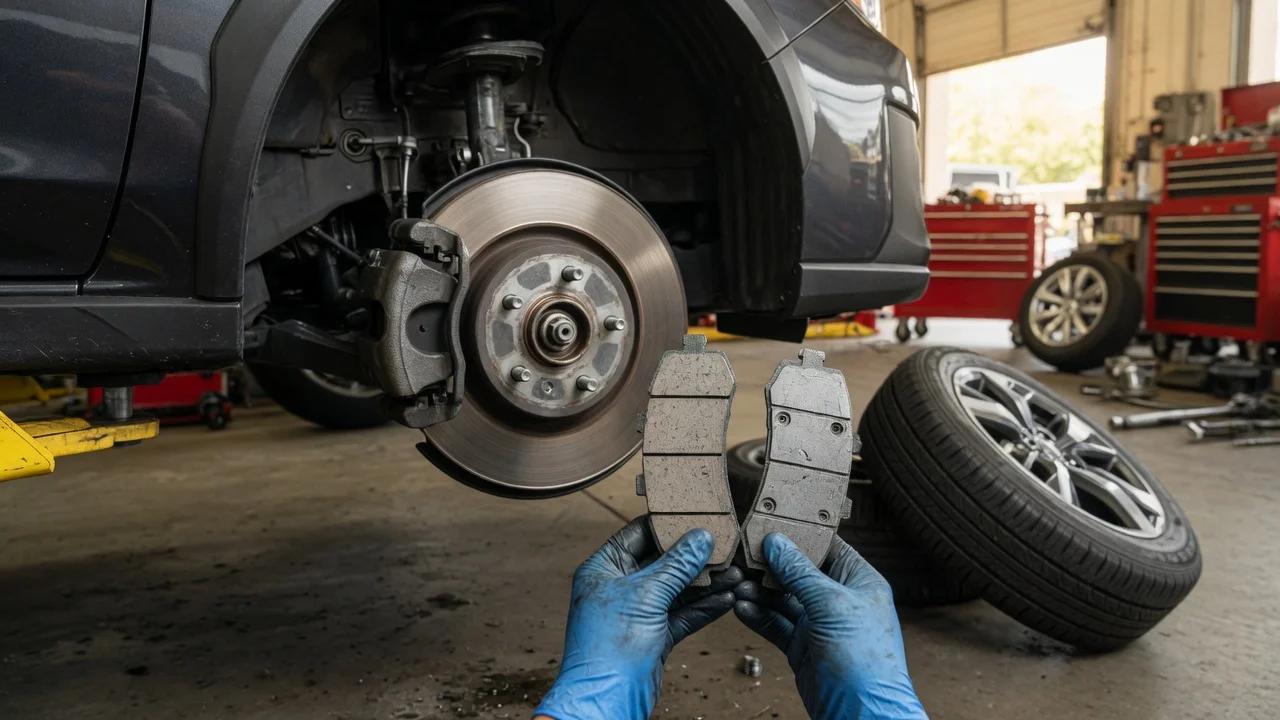
The short answer
The correct brake pads for a Subaru Crosstrek depend on the vehicle's model year, sales market, trim and powertrain, and front and rear pads are different parts. There is no single pad set that fits every Crosstrek. The most reliable way to get the right pads is to match them to your vehicle identification number (VIN) through a Subaru parts counter or a parts catalog that checks VIN-level fitment, then choose a pad material that suits how you drive.
If you only remember one condition, make it this: confirm fitment against your exact vehicle, not just the model name. A pad listed simply as fitting a "Crosstrek" may cover only certain years or brake configurations.
Why model year, trim and powertrain matter
The Crosstrek has been built across several generations, and brake hardware can change between them. In North America, the first generation covers roughly the 2013 to 2017 model years (sold as the XV Crosstrek in its early years), the second generation covers 2018 to 2023, and the third generation began with the 2024 model year. In many other markets the same vehicle is sold as the Subaru XV or under a different naming scheme, so model-year ranges and parts listings may not line up neatly with North American catalogs.
Hybrid versions add another layer. Subaru has offered hybrid Crosstreks in more than one form over the years, including an earlier hybrid, a plug-in hybrid in the second generation and a newer hybrid in the third generation. Hybrids use regenerative braking, in which the electric motor helps slow the car, so the brake hardware and pad wear pattern can differ from the gasoline-only models. Treat a hybrid as its own fitment case rather than assuming it shares pads with the standard version of the same year.
Trim and engine choice can also matter within a single generation, because caliper size or brake design may differ between configurations. No trim-by-trim brake specifications were supplied for this article, so specific differences between trims cannot be confirmed here. That is the main reason to check fitment by VIN or by inspecting the existing pads and calipers.
How to confirm you are buying the right pads
Find your VIN, usually visible through the lower corner of the windshield on the driver's side and printed on the registration and insurance documents. Give the VIN to a Subaru parts department, or use a parts catalog that filters by VIN rather than by model name alone. Confirm whether you need front pads, rear pads or both; they are sold separately and are not interchangeable. If the listing shows multiple options for your year, compare the pad shape and dimensions shown against your current pads before installing. Check whether the pad set includes new clips, shims or wear sensors, or whether you need to reuse or buy them separately.
Choosing a pad material
Once fitment is settled, the main choice is pad compound, meaning the friction material bonded to the pad's metal backing plate. Most replacement pads fall into three broad types.
Ceramic: generally quieter and lower in visible brake dust, and well suited to everyday commuting. A common choice for typical Crosstrek use. Semi-metallic: contains metal fibers that help with heat tolerance, which can suit frequent heavy loads, mountain driving or towing within the vehicle's rated limits. These pads tend to be noisier and dustier and can wear rotors faster. Organic (non-asbestos organic): typically soft and quiet but tends to wear more quickly and handle heat less well than the other types.
Original-equipment (OEM) pads from Subaru are designed to match the factory braking feel and noise characteristics. Aftermarket pads vary widely in compound and quality. Manufacturer claims about stopping distance, pad life or dust levels should be read as claims unless they are backed by independent testing; no comparative test results were supplied for this article.
Signs your Crosstrek may need new pads
A high-pitched squeal while braking, which may come from a built-in metal wear indicator contacting the rotor. A grinding or scraping sound, which can mean the friction material is worn through and the backing plate is contacting the rotor; this calls for prompt attention. The brake pedal feeling different, traveling farther or the car taking longer to stop. A brake warning light, which can also indicate low brake fluid or another system fault. Visible pad material that looks thin when viewed through the wheel spokes.
Minimum safe pad thickness and service intervals are specified by Subaru for each vehicle and were not supplied here. Check your owner's manual or service documentation for the figures that apply to your car rather than relying on a general rule of thumb.
Pads, rotors and installation
Pads work against the brake rotors, the metal discs that turn with the wheels. When replacing pads, the rotors should be measured and inspected. Rotors that are below Subaru's minimum thickness, scored or warped usually need to be replaced or resurfaced, and putting new pads on damaged rotors can cause noise, vibration and uneven wear.
Pad replacement is a common do-it-yourself job for people with the right tools and experience, but brakes are safety-critical. Caliper bolts should be tightened to Subaru's specified torque values, slide pins cleaned and lubricated, and new pads bedded in according to the pad maker's instructions. Bedding in is a controlled series of stops that transfers an even layer of pad material onto the rotor. On hybrid models, check the service information before working on the brakes, because some vehicles have specific procedures related to their braking systems. If you are unsure about any of these steps, a qualified technician is the safer route.
What this guide cannot confirm
No part numbers, pad dimensions, prices, availability, wear specifications or test data were supplied, so none are given here. Trim-level and market-specific brake differences also remain unresolved in this article. For any purchase, rely on VIN-based fitment from Subaru or a reputable parts catalog, and on the specifications in your vehicle's official service information.