Subaru Ascent Trailer Brake Controller
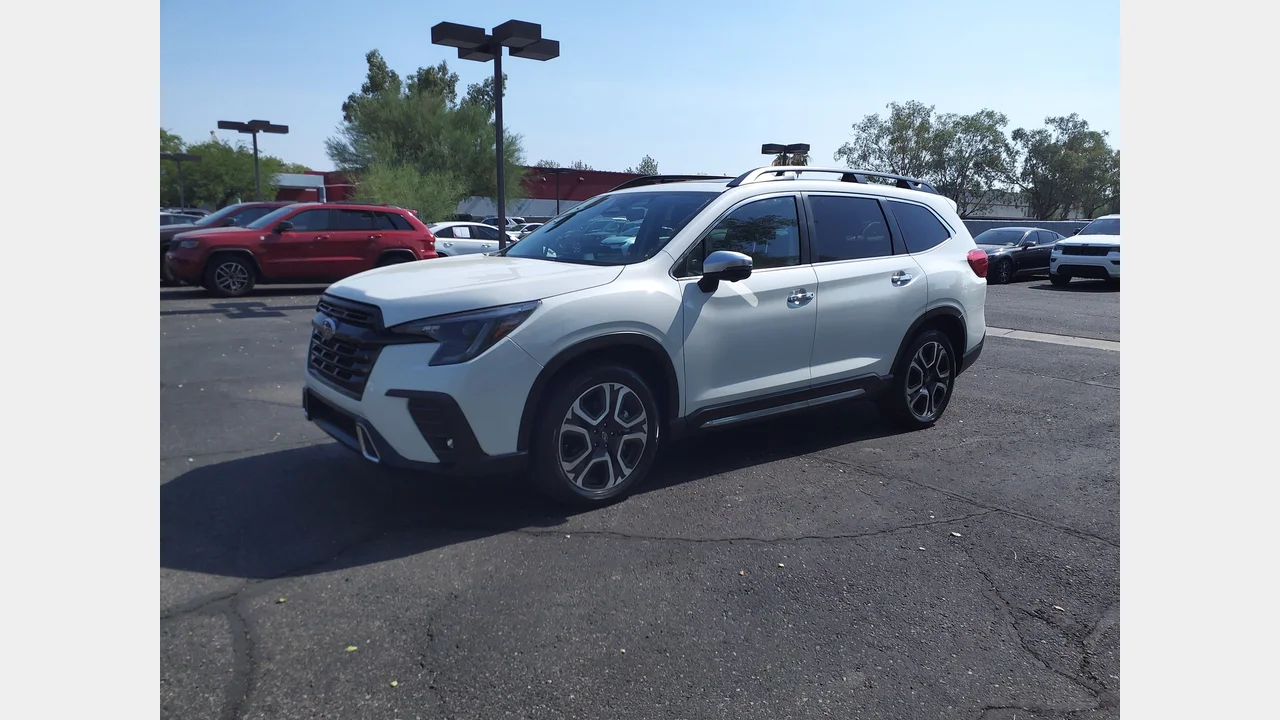
Adding a trailer brake controller to a 2019 Subaru Ascent changes how the vehicle manages a braked trailer. The Ascent uses conventional hydraulic service brakes for its own wheels, while the controller sends a proportional electrical signal to the trailer’s brakes. This keeps trailer braking force aligned with the tow vehicle rather than relying only on the Ascent’s brake pads, rotors, calipers, and friction material. Understanding the controller’s role helps owners evaluate fitment, wiring needs, and whether a given setup is appropriate for the trailer weight and braking expectations.
Essential answer
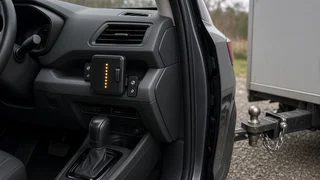
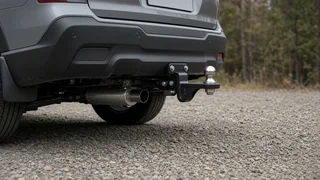
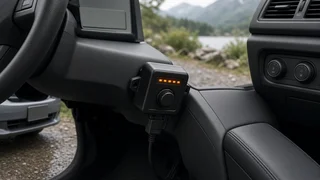
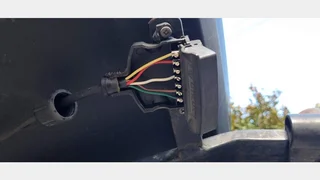
A 2019 Subaru Ascent trailer brake controller is an electronic device that manages the electric brakes on a compatible trailer while the Ascent is towing. The direct answer is that the Ascent does not integrate this function into its standard vehicle controls in the same way as some dedicated tow packages. Owners generally need a properly matched aftermarket controller, an appropriate mounting location, and a vehicle-specific wiring interface so the controller receives the brake signal and supplies proportional voltage to the trailer brakes. The subject covers component selection, electrical connection, and basic adjustment rather than a single factory part.
From an automotive brakes perspective, the controller works alongside the Ascent’s hydraulic system without replacing it. When the driver presses the brake pedal, the vehicle’s brake fluid acts on its calipers and brake pads against the rotors. At the same time, the controller interprets that braking request and sends a signal to the trailer. Because the Ascent still uses its own friction material and brake rotors for the tow vehicle, the controller is primarily about trailer brake balance, predictable stopping, and reducing uneven push or pull during deceleration. Vehicle fitment and wiring confirmation matter before installation because not every harness supports the same controller type.