STS Turbo Intercooler
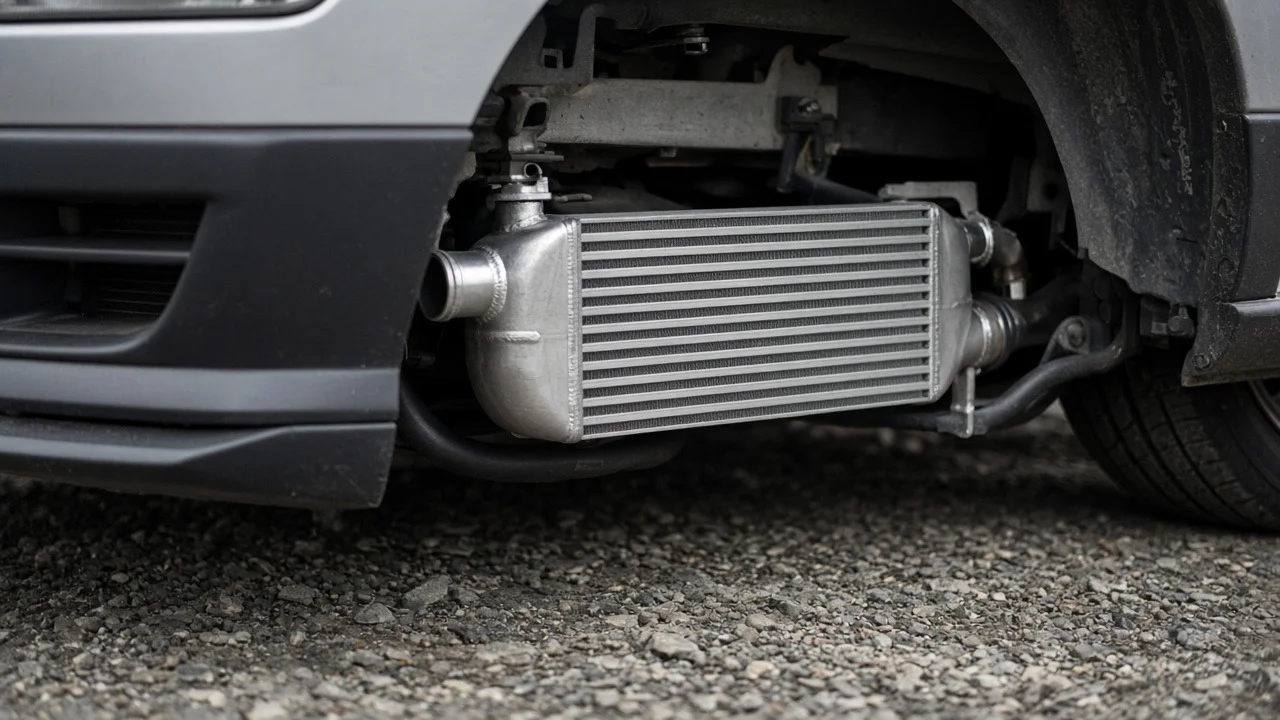
Choosing an STS turbo intercooler means weighing charge-air cooling against fitment, flow, and long-term reliability. The right core lowers intake air temperature after the compressor outlet, helping preserve power and reduce heat-related knock on a boosted engine. Before buying, you should confirm how the unit mounts, what hose connections it needs, and whether its internal condition is appropriate for your setup. This guide explains the practical checks and trade-offs that matter when evaluating an intercooler for a turbocharged application.
The direct answer
An STS turbo intercooler is a heat exchanger placed in the induction path to cool pressurized air before it reaches the engine. The direct answer is that it can be a worthwhile purchase when it suits your piping layout, airflow target, and available space, but it is not a universal one-size-fits-all part. The value depends on how well it lowers charge-air temperature without introducing excessive pressure loss or difficult hose connection routing.
Inspect the core for signs of previous stress, bent fins, or oil contamination before committing to a used or surplus unit. Oil residue inside does not automatically mean the intercooler is defective, but it can indicate that the turbo or crankcase ventilation system has been pushing vapor through the intake tract. A clean internal surface and intact end tanks give you a better starting point for consistent boost pressure and predictable cooling.













