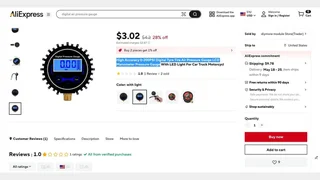
Stockton Tire Pressure Gauge
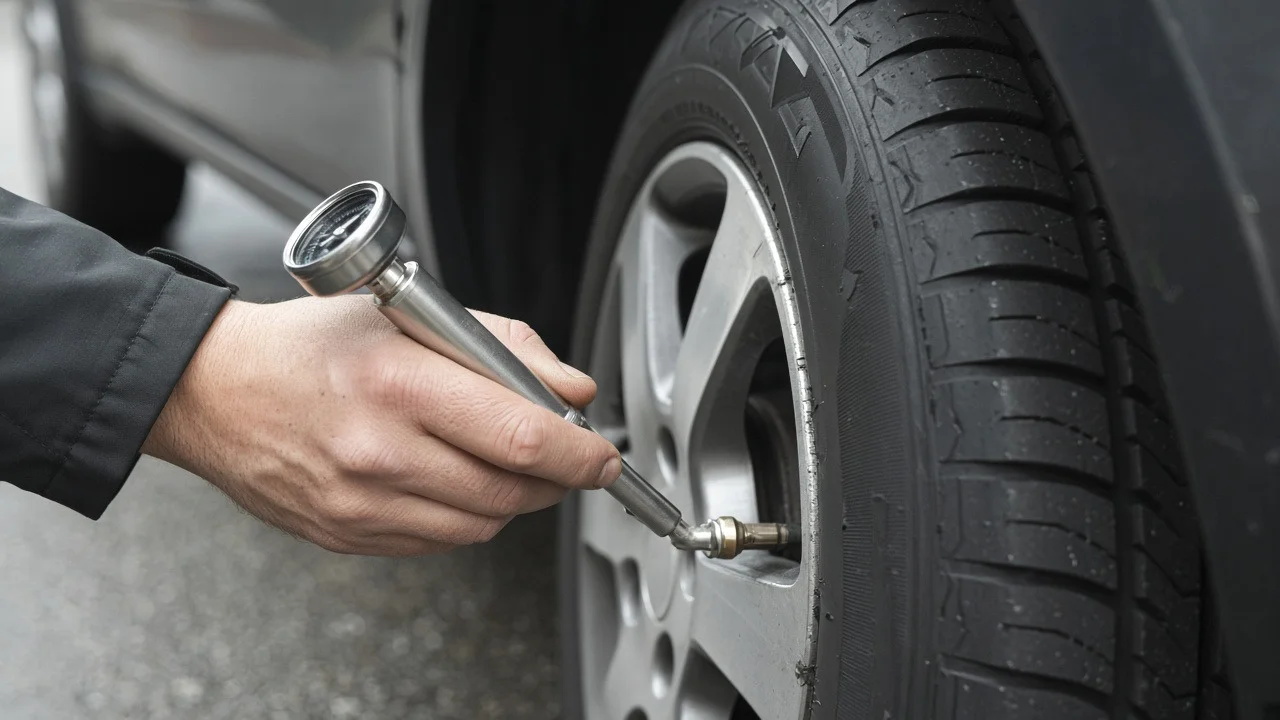
A reliable pressure reading is the foundation of tire care, and choosing a tool such as a Stockton digital tire pressure gauge means evaluating how it takes a measurement and how that number guides your next step. Inflating to the vehicle specification protects tread wear, braking response, and fuel use, so the instrument you keep in the glovebox should be easy to read and repeatable. This guide explains what to look for when comparing a digital gauge and a version with a hose so you can select a design that fits your wheels and your routine.
The direct answer
The Stockton digital tire pressure gauge should be judged on measurement range, accuracy, and connection fit rather than on a single advertised number. A digital display reduces parallax error when you read the result, and a push-on chuck needs to seat squarely on the valve stem before the reading stabilizes. The gauge is useful only when its range comfortably covers the pressures shown on your door placard, including the higher rear pressures common on loaded trucks and vans.
An air pressure gauge with a hose adds a flexible link between the chuck and the body, which can help reach valves tucked behind wheel covers or inside dual-wheel setups. That hose also lets you hold the display at a better viewing angle without twisting the valve core. The trade-off is a slightly larger air chamber that must seal and vent cleanly, so look for a firm seated connection and consistent repeat readings instead of assuming the extra hose always improves precision.