Steelman Tire Pressure Gauge
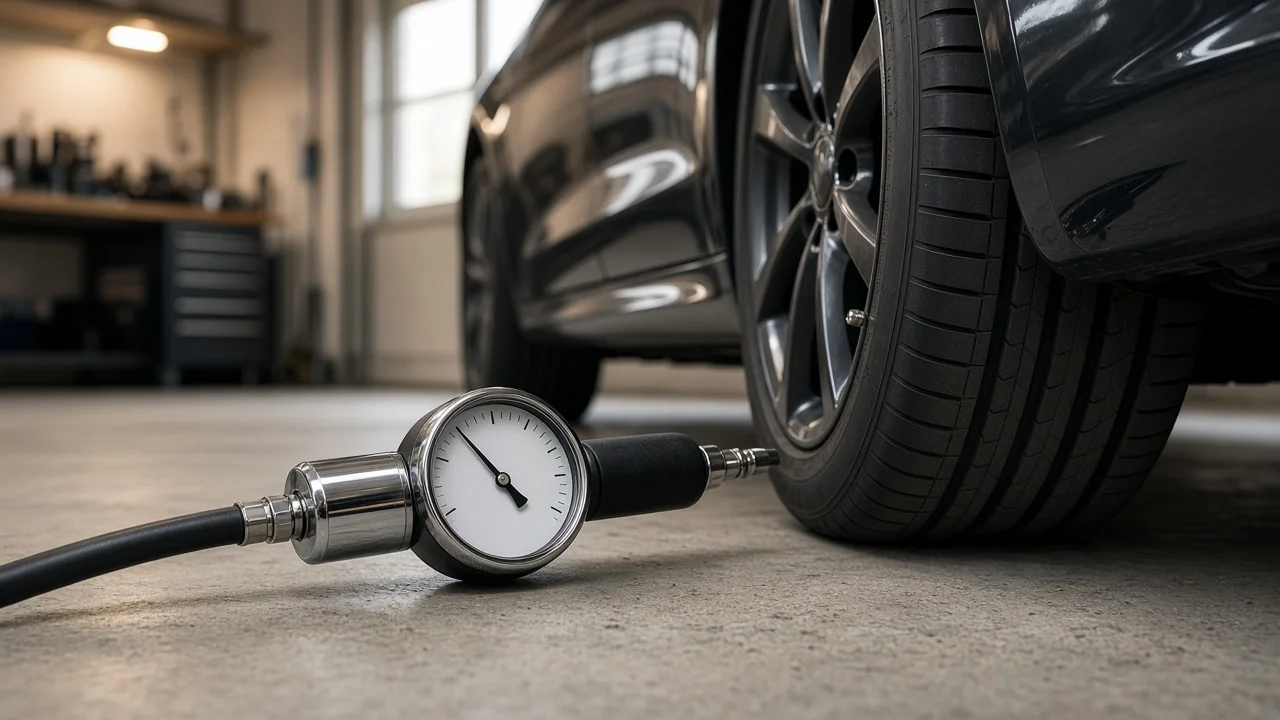
A reliable tire pressure gauge turns a simple driveway check into useful vehicle information. If you are comparing the Steelman tire pressure gauge, you likely want a tool that gives repeatable readings without guessing. The right choice depends on how the gauge connects to the valve stem, the measurement range it covers, and how clearly it presents the result. This guide explains the practical points to weigh before buying, from accuracy and calibration to the units shown on the display.
The direct answer
A Steelman tire pressure gauge can be a sensible purchase when you need a dedicated tool instead of relying on a gas station pencil gauge. The immediate question is not whether any gauge works, but whether this one matches your expected pressure range and reading habits. Look for a design that seats firmly on the Schrader valve to avoid the hiss of escaping air during the measurement. That connection quality matters more than a long feature list because a poor seal will make every reading suspect.
Accuracy is also a practical concern for tire wear, fuel use, and ride comfort. The gauge should agree closely with your vehicle specification placard, usually located on the driver’s door jamb. If the tool is dropped or stored where temperatures swing widely, its calibration can shift. Before relying on any reading, compare it with a second gauge or a trusted shop reference. Think of the reading as evidence about current inflation, not as proof that a sensor, valve, or tire is faulty.