Soft top convertible in winter

A soft top convertible in winter raises specific questions about cold-weather comfort, snow exposure, and long-term top condition. The fabric roof system is designed to seal and insulate, but its behavior differs from a fixed hardtop because the material and folding mechanism respond to freezing temperatures, moisture, and ice. Understanding what matters helps an owner make practical winter driving and storage choices without overestimating risk or neglecting real maintenance needs. The relevant items below identify the systems and conditions that deserve attention when a fabric-roofed car faces seasonal cold.
Relevant entries
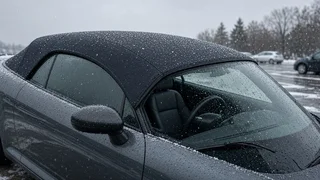
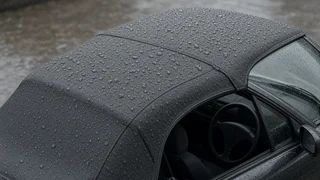
The outer fabric layer is the first relevant entry because it forms the weather barrier between the cabin and falling snow or freezing rain. On a cold soft top, this textile membrane becomes stiffer and less flexible, which can make folding or latching feel slower. Keeping snow from accumulating heavily on the roof matters less for insulation than for preventing excess weight and repeated freeze-thaw cycles from pushing moisture into the weave before it can run off.
The glass or plastic rear window is a second winter-specific concern on many fabric convertible tops. Cold plastic can become brittle, while a glass window adds weight and may stress the surrounding material during body flex. Clearing ice from the rear window requires care, because scraping a cold soft-top window can scratch plastic or damage defroster traces. The window’s seal is also an area where water can pool and re-freeze near the top’s lower edge.
The folding frame and tension cables form the next relevant system because a winter-driven convertible may be raised and lowered in conditions that affect geometry. Cold metal linkages and stiffened fabric can increase resistance, so operating the top when it is heavily iced or frozen to the windshield header is not advisable. The bows, hinges, and cables work as a system, and forcing movement in very low temperatures risks overloading components that would operate normally when the material is warmer.
Weather seals and drainage channels deserve attention because winter moisture can sit longer against rubber gaskets and body seams. When snow melts during a drive and refreezes overnight, water may collect near the header rail, side windows, or lower well area. Seals that remain pliable help prevent water intrusion, while clear drain paths reduce the chance of ice blocking the area behind the fabric top where water normally exits.
The cabin heating and defrosting performance is a final practical entry. A fabric roof changes how the interior holds heat, though modern multi-layer tops often include an insulated headliner that reduces heat loss and noise. Using the climate system to keep the glass clear and the cabin warm can also help prevent condensation from forming inside the top, which is a more common winter issue than direct cold air passing through a properly sealed, well-maintained fabric roof.