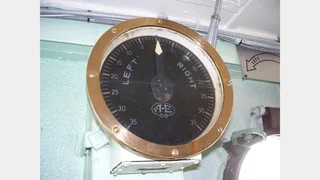
Smart Fortwo Steering Angle Sensor Reset
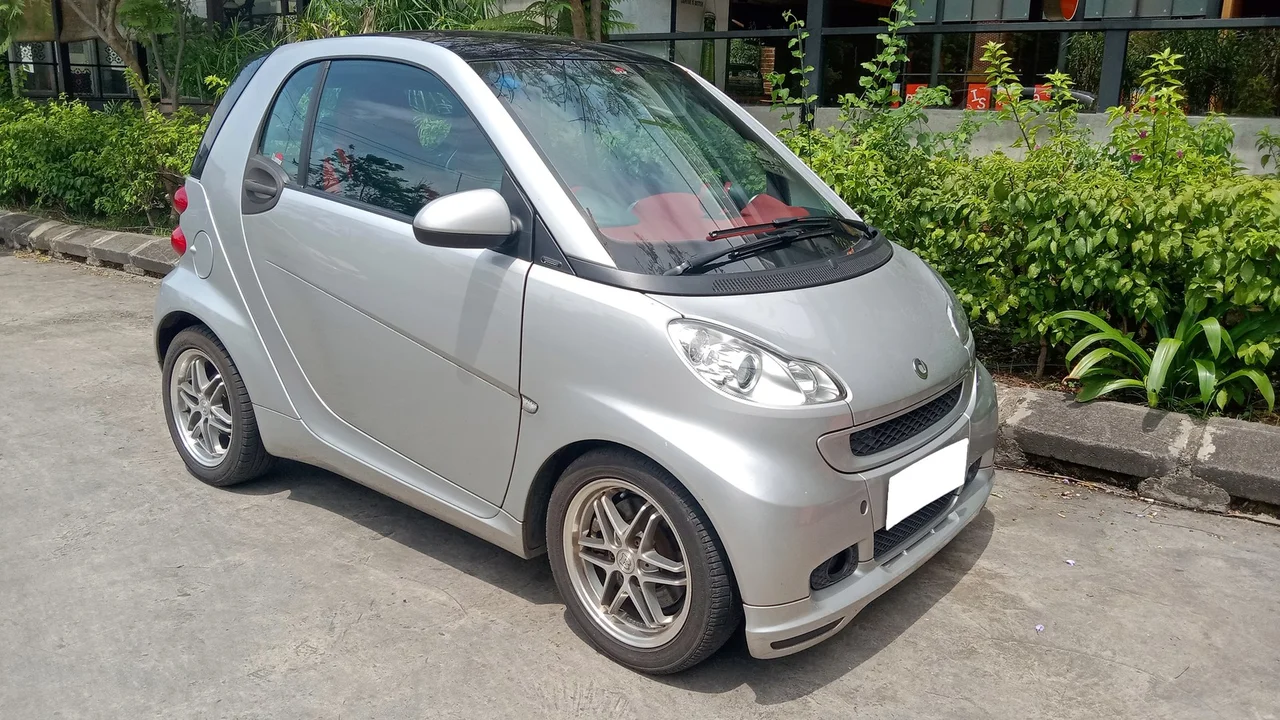
A Smart Fortwo steering angle sensor reset typically means clearing or re-learning the steering position reference used by stability control after a repair, alignment, battery disconnect, or replacement part disturbs that value. The goal is not to guess whether a component failed. It is to restore a valid centered signal so the electronic stability program can compare steering intent with yaw behavior. Because this microcar has a short wheelbase and quick steering reactions, an incorrect reference can cause unnecessary traction-control intervention, a steering warning light, or a misjudged wheel alignment diagnosis even when the mechanical steering gear and suspension mounting points are sound.
Essential answer
The essential answer is that a Smart Fortwo steering angle sensor reset is a calibration or initialization procedure intended to teach the control module the true straight-ahead steering position. It is commonly needed after wheel alignment, steering column or suspension work, sensor replacement, or a low-voltage event. On the Smart Fortwo, the sensor cluster may not require physical replacement merely because a fault code appears. The code records that the module lost a plausible centered value or saw an out-of-range signal. The reset may clear that condition if the underlying mechanical state is correct and the sensor is still functioning.
Before concluding that a steering angle sensor has failed on a Smart Fortwo, it is more accurate to separate a lost reference from a damaged component. A reset makes sense when the wheels are physically straight and the suspension geometry, ride height, and steering linkage have no significant joint play or bent mounting points. If those mechanical conditions are not satisfied, the reset may not complete or the warning may return. The procedure is therefore a diagnostic step tied to the physical state of the front end, not a universal repair for every steering or stability-control alert.