Smart Car Oxygen Sensor

A small-displacement engine still needs accurate exhaust feedback, and the oxygen sensor is the component that provides it. When an owner searches for a smart car oxygen sensor, the practical question is usually how this part influences fuel trimming, emissions compliance, and driveability. Because the term can refer to several compact models rather than one proprietary design, the useful answer covers the heated exhaust sensor’s job, why it fails, and how diagnostic codes point toward the problem without assuming the sensor is automatically defective.
Essential answer
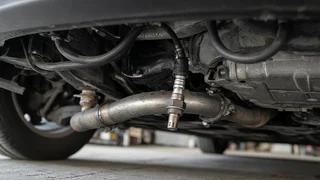
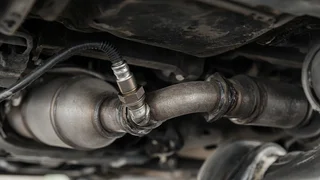
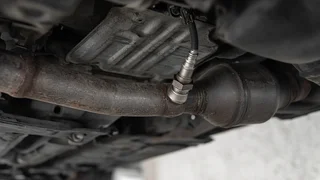
The oxygen sensor in a smart-type compact car measures residual oxygen in the exhaust stream and sends a changing voltage signal to the engine control module. That signal helps the module adjust injector pulse width so the air-fuel mixture stays near the chemically correct range. A failing sensor may cause rough idle, reduced fuel economy, or elevated emissions, but the same symptoms can also come from an exhaust leak, a degraded catalytic converter, or a wiring fault near the hot exhaust mounting location.
Diagnostic evidence rather than the sensor name is what identifies the actual fault. Codes such as a slow response, heater circuit problem, or lean/rich correction limit indicate a measurement issue, not a proven part failure. Before replacing anything, the threaded mounting area, connector condition, and exhaust sealing should be checked. Emissions compliance depends on accurate feedback, so interpreting the code alongside live or stored data gives a more reliable next step than swapping the sensor on suspicion alone.