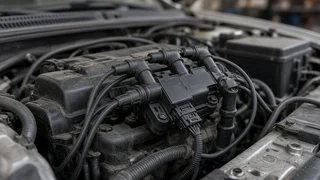
Smart Car Ignition Coil
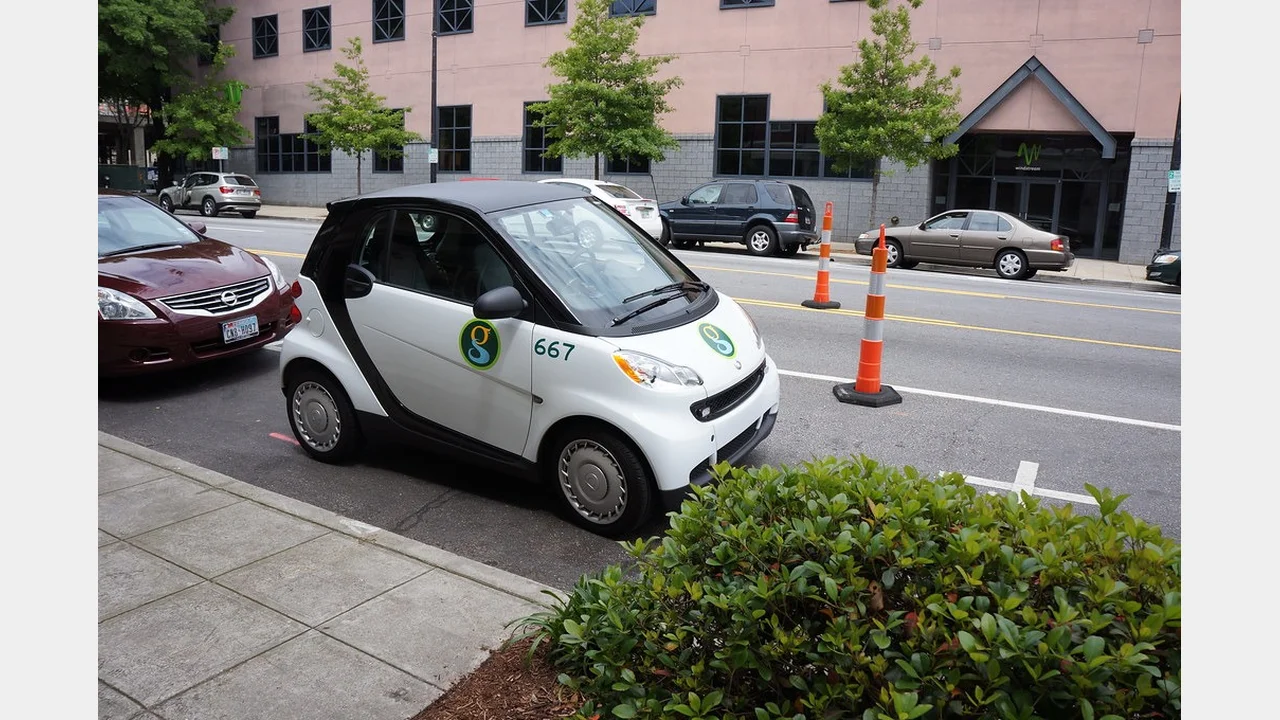
A smart car ignition coil can create confusion because the name refers to two very different possibilities: the ignition coil used by the small Smart Fortwo city car, or an ignition coil with internal control electronics often described as a smart coil. Either way, the component has one central job. It steps up low battery voltage into the high-voltage pulse that jumps the spark plug gap and starts combustion. When the coil becomes unreliable, the starter circuit may crank normally while the engine misfires or refuses to catch. Checking the whole starting path helps avoid replacing the coil before ruling out the battery state of charge, ignition switch, cranking speed, fuel delivery, and straightforward diagnostic checks.
Essential answer
The smart car ignition coil is the high-voltage transformer for the gasoline engine, or a coil pack with onboard switching and diagnostic circuitry depending on the exact vehicle and generation. In the Smart Fortwo, the coil receives a trigger signal and releases stored energy through the correct plug lead or coil-on-plug boot. A weak coil may still produce a spark outside the cylinder yet fail under compression, so a visible spark is not a full proof of correct coil output. Because the engine needs spark timing, sufficient cranking speed, compression, and fuel, a coil should be judged as part of that complete starting event rather than as an isolated suspect whenever the engine spins but does not run.
For many owners, the practical meaning is placement and replacement style. Some city-car engines use a compact coil pack that fires multiple cylinders from one sealed assembly, while later designs may use individual coil-on-plug units mounted directly above each spark plug. The supporting wiring, connector condition, ground path, and trigger signal all influence operation. A damaged connector or corroded ground can mimic coil failure. Before treating a coil as defective, basic diagnostic checks should confirm adequate battery voltage during cranking, clean secure connections, and a consistent trigger command from the engine control system. That sequence identifies whether the ignition coil itself is the weak point or a symptom of another starting-circuit problem.