Small Block Chevy Radiator Cap Pressure
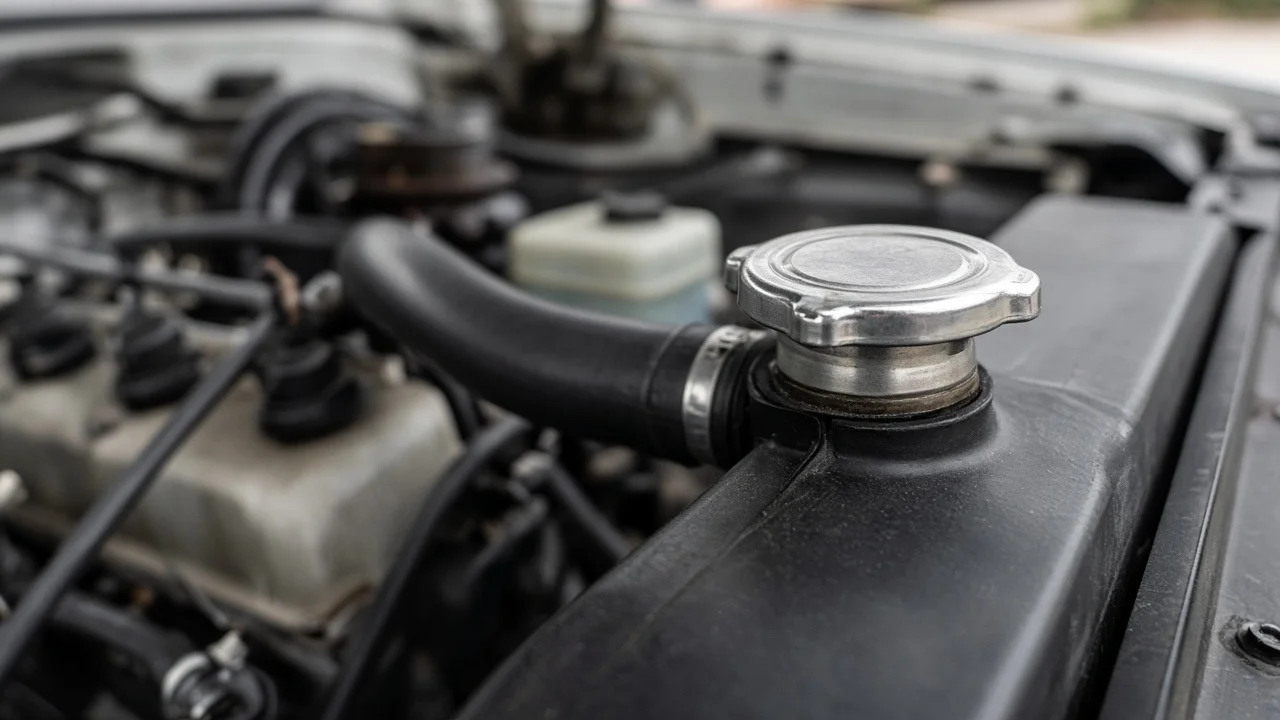
Choosing the correct radiator cap for a small block Chevy is more than matching a part number. The cap is the calibrated release point for the entire cooling circuit. When you research Small Block Chevy Radiator Cap Pressure, the goal is to understand how that rating interacts with the thermostat, coolant concentration, and the risk of air pockets. A cap that opens too early lowers the boiling threshold, while one rated too high can strain aging hoses and heater cores. The right choice keeps pressure in the system at operating temperature without forcing coolant past the seal during heat soak.
Essential answer
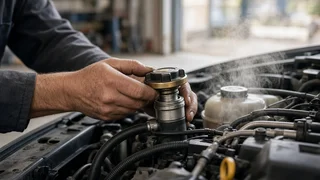
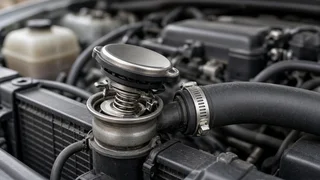
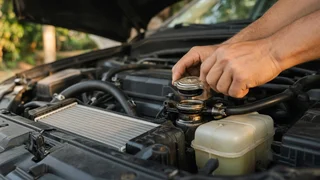
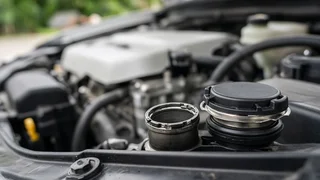
Small block Chevy radiator cap pressure typically refers to the pressure rating stamped on the pressure cap, commonly around 15 to 16 psi for many street-driven applications, though original requirements can vary by year, radiator design, and whether the vehicle uses a coolant recovery tank. The cap does not set engine temperature; the thermostat controls minimum operating heat. Instead, the cap raises the boiling point of the coolant by holding the cooling circuit under pressure. That margin is important near cylinder heads, where localized heat can produce steam long before the average coolant temperature reaches the boiling point at sea level.
The cap also manages the exchange of coolant with the overflow or recovery bottle. As the engine warms, expanding liquid pushes past the spring-loaded seal, and as the system cools, the vacuum valve allows fluid to return. If the cap rating is too low for a high-performance small block, repeated venting can leave the radiator low and introduce air pockets that reduce heat transfer and cause erratic gauge readings. A cap that seals poorly can produce the same symptom even if its stamped number looks correct.