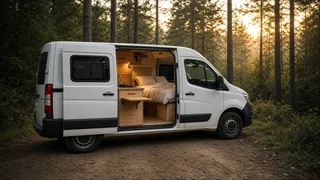
Skoda yeti camper van conversion
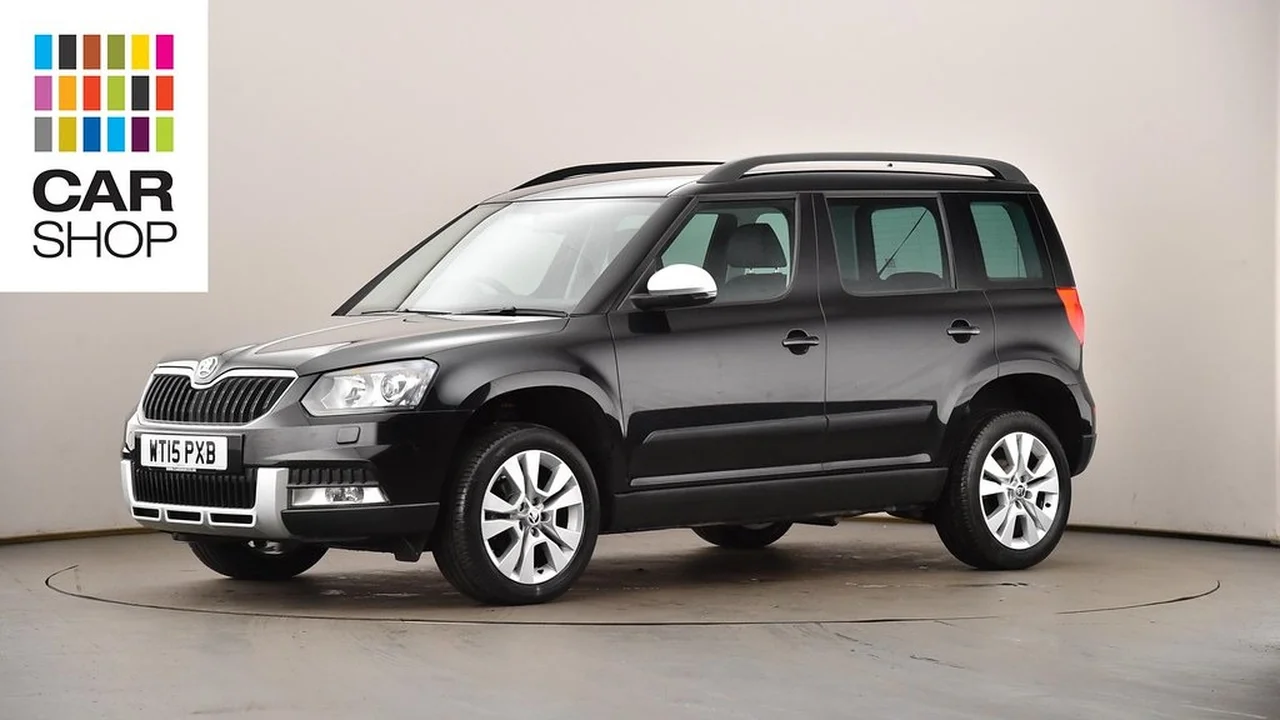
A Skoda Yeti camper van conversion asks more from a compact crossover than the factory packaging ever intended, so the essential challenge is turning a short, tall cabin into a safe sleeping and cooking space without overwhelming the vehicle's modest footprint. Owners exploring this idea typically care about how the rear seat layout, tailgate opening, and available floor length interact with a removable sleeping platform and simple kitchen storage. The project is closer to a micro-camper or stealth weekend setup than a full RV conversion, and that distinction shapes every material, dimension, and storage decision.
Essential answer
The direct answer is that a Skoda Yeti camper van conversion is usually a DIY micro-camper build based on removing or folding the rear seats and installing a low sleeping platform, storage boxes, and simple cooking gear inside the cabin. The Yeti is not a traditional van, so the result is more compact than a Transporter or Sprinter conversion and better suited to one person or a very close-fitting pair. Its upright roofline and boxy body style help headroom and usable cargo volume compared with sleeker crossovers of the same model generation, but the overall length still limits bed size and storage.
Success depends on treating the tailgate area and rear footwell as one continuous workspace rather than trying to replicate a full camper layout. Because market specification and trim level affect whether the rear seats tumble forward, fold flat, or leave a step, a conversion should begin by measuring the actual load floor, wheel arch width, and tailgate opening. Powertrain configuration matters less for the conversion itself, but a heavier build with water containers, battery systems, and plywood furniture affects handling and fuel use more noticeably in this short vehicle than in a larger commercial van.