Seat Ibiza Steering Angle Sensor Location
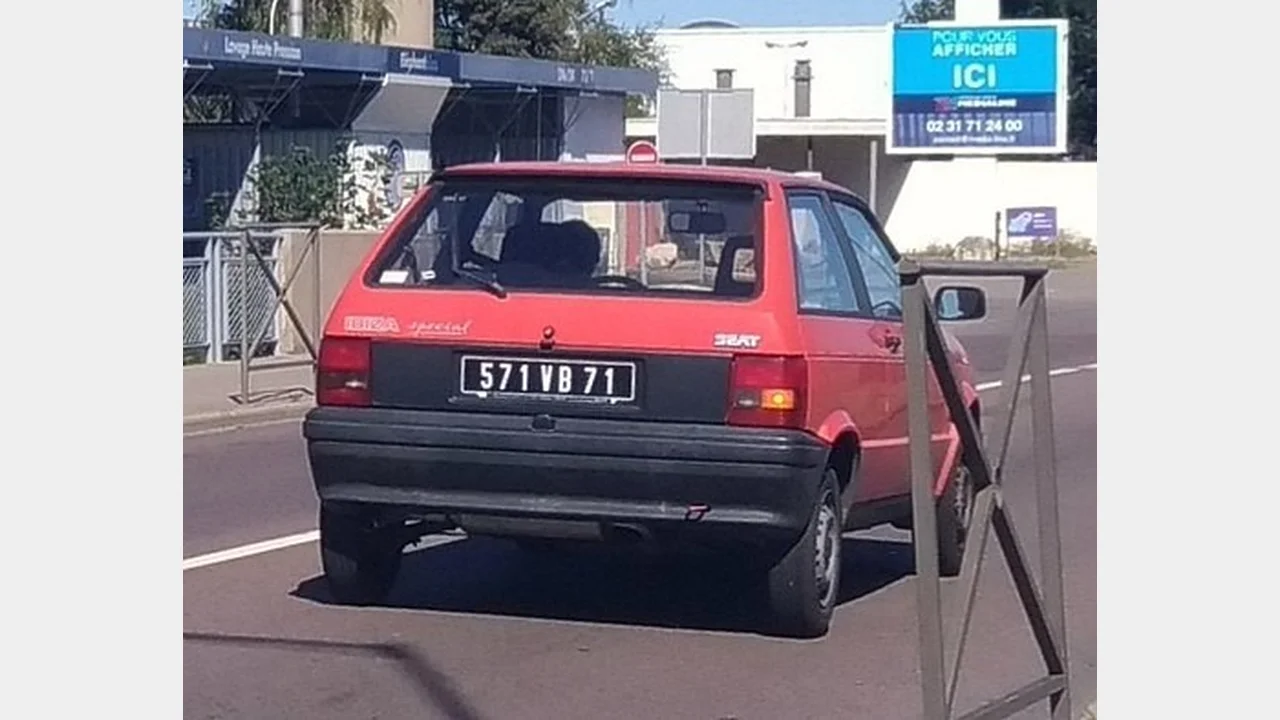
The steering angle sensor location on a Seat Ibiza matters when the stability control warning appears or the power steering behaves inconsistently. This sensor reports steering wheel position so electronic systems can compare driver intent with vehicle movement. On the Ibiza, the component is typically integrated near the steering column rather than exposed in the engine bay. Understanding where it lives, how surrounding parts affect access, and why the location varies by configuration helps with diagnosis and avoids replacing the wrong component.
Essential answer
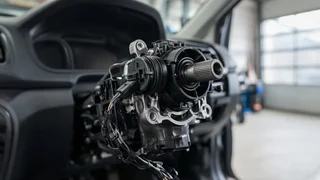
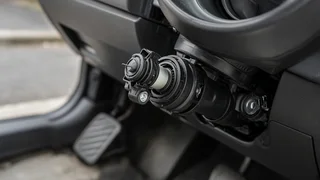
On most Seat Ibiza models, the steering angle sensor is mounted on the steering column assembly behind the steering wheel. It often forms part of the column switch module or clockspring area, where it reads rotation directly from the steering shaft. Because the sensor sits inside the cabin near the instrument cluster, it is protected from road debris but can still be affected by trim removal or column work.
The exact housing depends on the vehicle configuration and whether the Ibiza uses a conventional hydraulic system or an electromechanical steering setup. A technician usually confirms the location through diagnostic data rather than assuming one mounting position. If the sensor signal is missing or implausible, checking the column harness connections and surrounding switchgear before condemning the sensor itself is a sensible first step.
Identification and location
A steering angle sensor in this application commonly appears as a compact electronic ring or module clipped around the upper steering column. Its connector carries thin wiring from the column area, and the component may share a housing with the turn signal and wiper controls. Removing the driver-side lower dash panel and column shroud usually reveals the sensor, but the exact access path and fastener arrangement can vary with the Ibiza trim level.
Because the sensor is not always visible from outside the steering system, scan tool data is often the quickest identifier. Live readings change smoothly as the wheel turns, while a stuck or zeroed signal suggests a wiring, calibration, or module fault. A fault code is evidence to interpret, not proof a part has failed, so confirming the connector and column wiring before replacement is the practical approach.