Scion iQ vs Smart
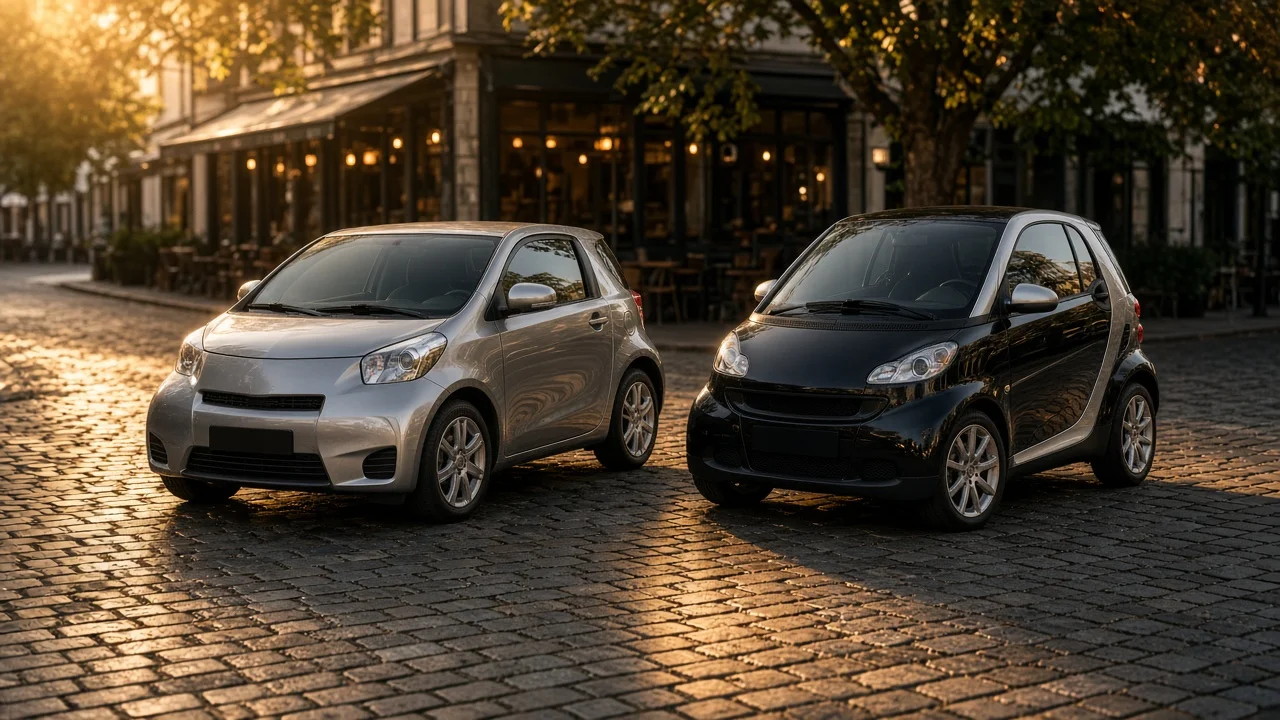
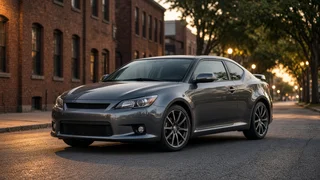
Choosing between the Scion iQ and a Smart car means comparing two city-focused microcars that approach urban driving from different angles. Shoppers considering a "Scion smart car" are often really weighing the Scion iQ against the ForTwo and asking which package fits tight parking, occasional highway stints, and daily errands. Because both models appeared in limited US market specification windows and changed little across their model generations, trim level, body style, and powertrain configuration matter more than raw size. The right answer depends on how each car balances maneuverability, cabin layout, and everyday usability for a specific owner.
Direct answer
For most US buyers, the Scion iQ is the more flexible choice because it provides a slightly longer wheelbase, a rear seat suitable for very short trips or cargo, and a conventional front-engine layout that feels more familiar in mixed traffic. The Smart ForTwo counters with a tighter turning circle, a more upright body style, and even easier perpendicular parking in dense neighborhoods. Neither car is a direct replacement for a compact hatchback, but the iQ tends to reward owners who occasionally carry a second passenger or want a more settled ride on faster roads.
A direct comparison depends heavily on the model year and trim level being considered. Early Smart examples used automated manual gearboxes that felt slower and less smooth in stop-and-go driving, while the Scion iQ used a continuously variable transmission that prioritized fuel efficiency and smoothness. Buyers who frequently navigate narrow alleys or park in very short spaces may prefer the ForTwo. Buyers who want a microcar that behaves more like a scaled-down conventional car will usually find the iQ easier to live with day to day.
The Smart ForTwo's true strength is its city-only mission. Its short overall length allows nose-in parking where other vehicles simply will not fit, and its tall cabin gives good outward visibility at intersections. However, that same short wheelbase makes expansion joints and rough pavement more noticeable, and its two-seat layout leaves no enclosed space for a small child or a pet carrier. The Scion iQ uses a longer wheelbase to reduce some of that pitchiness while adding a minimal rear seat, though that seat is best understood as emergency space rather than adult accommodation.
Ride and drivetrain behavior also separate the two. The Scion's front-engine configuration and CVT reduce the mechanical sensation of a tiny city car, and its steering feels more natural during quick lane changes. The ForTwo's rear-engine layout shifts weight over the drive wheels, which can help traction from a stop but makes crosswind response more noticeable. Neither vehicle is powerful, so decisions should focus on turning radius, cabin access, transmission behavior, and the type of streets the buyer actually drives each week.