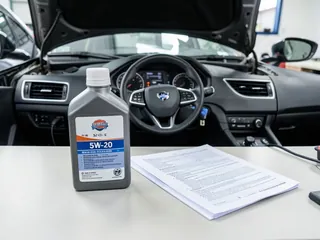
SAE 5W-20 oil change

A SAE 5W-20 oil change replaces aged engine lubricant with a multigrade oil designed to flow readily at low temperatures while retaining protective viscosity when hot. For many drivers, this task raises questions about oil filter selection, fill quantity, level check procedure, drain plug torque, and service interval. The “5W” winter rating matters during cold starts, while the “20” describes high-temperature performance. Understanding the lubricant specification, manufacturer approval, and equipment identification helps an owner confirm the correct product before draining the crankcase. The goal is a clean refill that supports bearing life and consistent oil pressure.
Essential answer
An SAE 5W-20 oil change is a routine lubricant service that removes used engine oil and installs a fresh charge meeting the 5W-20 viscosity grade. This grade behaves like a 5-weight oil when cold, which eases cranking and speeds lubricant delivery to valvetrain parts. Once the engine reaches operating temperature, the additive package helps the oil maintain the high-temperature flow characteristics of a 20-weight fluid. The service normally includes replacing the oil filter because a clogged or saturated filter can restrict flow and leave dirty oil circulating through bearings and hydraulic adjusters.
Completing the job correctly depends on matching the oil to the vehicle rather than simply reading the cap. The owner should confirm fill quantity, drain plug location, filter access, and any manufacturer approval listed in the maintenance documentation. After refilling, a level check on flat ground confirms the sump holds the expected amount without overfilling. Because the cold-start rating is central to 5W-20 behavior, the service has the greatest benefit in climates where mornings are cold or where the engine is started frequently. Equipment identification, such as a calibrated drain pan and the correct filter wrench, makes the work cleaner and prevents stripping the drain plug threads.