Rubber Snap-In (Push-In) Tire Valve Stems
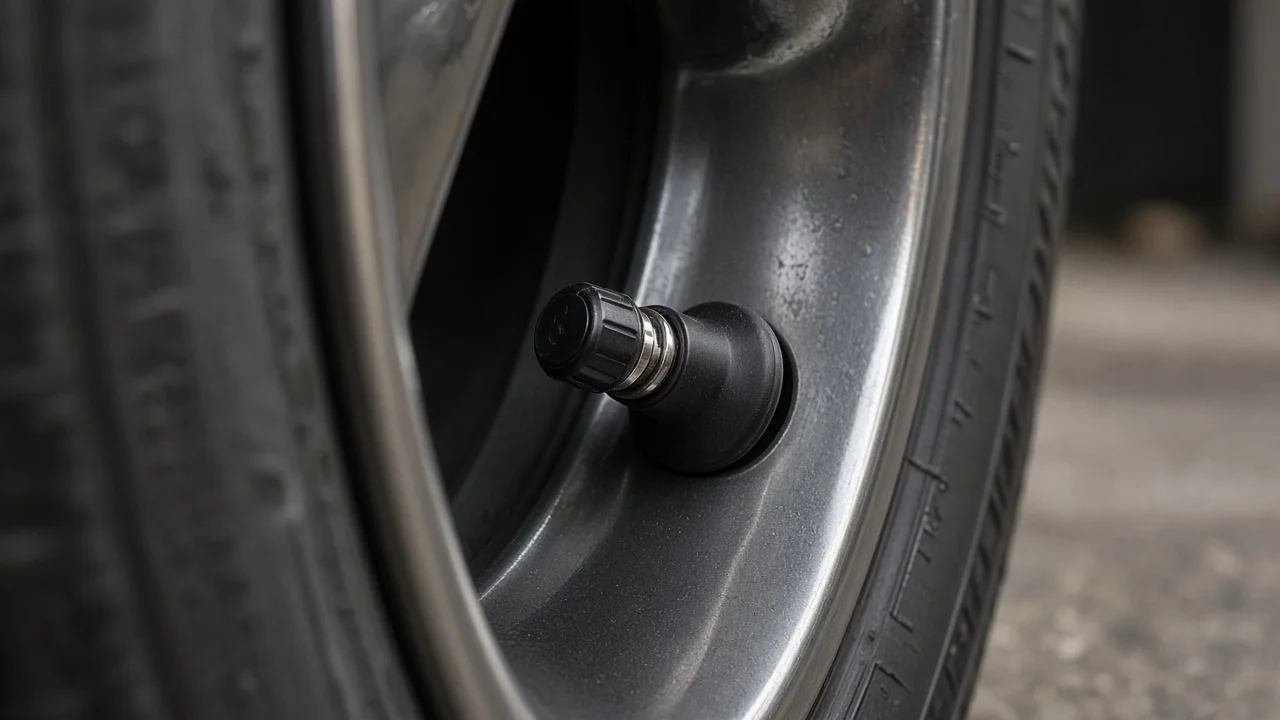
A rubber snap-in tire valve stem is the small, flexible assembly that lets air enter a wheel and keeps it sealed under the rim. For many passenger cars and light trucks, this push-in style is the standard replacement part because it seats directly through the valve hole without a nut or external clamp. Understanding how it seals, wears, and compares with other stem types helps a driver spot air loss early and choose service parts confidently when wheels are inspected, tires are replaced, or inflation pressure keeps dropping.
Essential answer
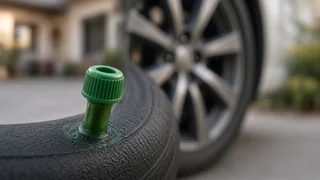
A rubber tire valve stem is a push-in component molded from a resilient body that pulls against the inside of the wheel once installed. The stem contains a spring-loaded core that opens under air pressure from a gauge or inflator and closes to hold the tire's inflation pressure. Because the rubber body compresses as it is pulled through the valve hole, it forms the primary air seal without needing a threaded nut torqued from outside, although some designs include a light metal retaining feature for installation.
This snap-in design is common on steel and many alloy wheels where the rim thickness and valve hole condition suit a flexible seal. The outer portion may be straight or angled, which can make checking pressure easier when brake calipers, wheel spokes, or hubcaps crowd the area. When the rubber ages, ozone cracks or the base deforms, the seal can weaken and cause a slow leak that is not always visible until a soap solution is applied around the stem and rim opening.