Rockford Fosgate Car Amplifiers
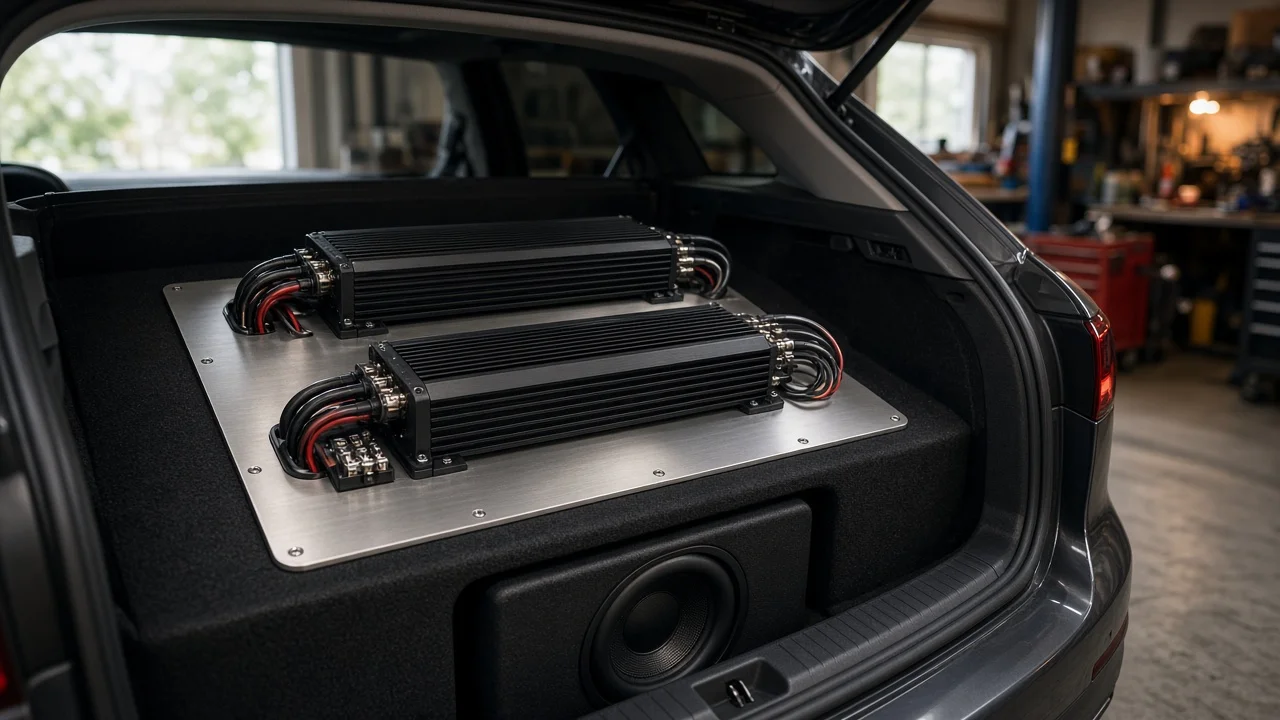
Choosing a Rockford Fosgate car audio amplifier is about matching the amp's power and channels to the rest of the vehicle's sound system without overloading the electrical setup. Many shoppers begin with a specific speaker upgrade or head unit in mind, then look for an amplifier that can drive those components cleanly. The purchase involves more than peak wattage; impedance, signal input type, and physical fit in the vehicle all affect whether an amplifier performs as expected. The following direct answer explains the core compatibility and buying checks that lead to a dependable installation.
The direct answer
A Rockford Fosgate car audio amplifier is generally selected when the factory or aftermarket head unit does not provide enough clean power for the intended speakers or subwoofers. The immediate buying question is whether the amplifier’s RMS output at the speaker’s impedance matches the speaker’s continuous power handling. Ignoring this match often causes audible distortion or thermal shutdown. A suitable amp should offer a little headroom, but not so much continuous power that the connected speakers are driven beyond their safe thermal limit during normal listening.
When comparing models, the choice depends on the number of channels and the type of signal the vehicle provides. A four-channel amp suits door speakers, while a monoblock is intended for a subwoofer. Five-channel units can power a full system from one chassis. Buyers using an original radio need to check whether the amp accepts high-level speaker-level input or requires a separate line output converter. Amps with low-level RCA inputs pair more directly with an aftermarket head unit, simplifying signal routing.