How to Request Vehicle Owner Details by License Plate in the US
The short answer
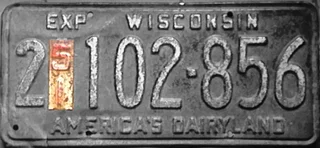
In the United States, you generally cannot look up a stranger's name and address from a license plate just because you want to know who owns the car. The registered owner's personal information is held by the state motor vehicle agency that issued the plate, usually called the DMV, and access to it is restricted by the federal Driver's Privacy Protection Act (DPPA) and by each state's own rules. You can request vehicle owner details by number plate only if your reason fits a legally permitted purpose, such as a court case, an insurance claim, a vehicle safety recall, a towing notice, or a request made with the owner's written consent.
If your reason qualifies, the usual route is a formal record request to the DMV in the state that issued the plate, along with identification, a stated purpose and any supporting documents. If it does not qualify, the practical path is to involve someone who does have access, such as the police, your insurer or an attorney, rather than trying to turn a vehicle number into an owner name yourself.
Key terms
Registered owner: the person or business the vehicle is registered to with the state. This is the name tied to the plate. Titled owner: the person or business listed on the certificate of title, which is the legal proof of ownership. Often the same as the registered owner, but not always. Lienholder: a lender or other party with a financial claim on the vehicle, typically a bank or finance company, recorded on the title until the loan is paid off. Vehicle identification number (VIN): the unique 17-character code assigned to a vehicle. Unlike a plate, it stays with the vehicle for life. Registration certificate: the document showing the vehicle is registered in a state, usually carried in the vehicle. Ownership record: the DMV file linking a plate or VIN to registration, title and lien information. Jurisdiction: the state whose DMV issued the plate. Its rules and forms govern your request.
Why owner information is restricted
The DPPA, a federal law passed in 1994, limits how state motor vehicle agencies may release personal information from driver and vehicle records. Personal information includes items such as name, address, phone number, photograph and driver license number. Vehicle details that are not personal, such as make, model, year or general title status, are treated differently, which is why some vehicle history information is widely available while owner identity is not.
States may be stricter than the federal law but not looser. That means a request that works in one state may need a different form, more documentation or may be refused entirely in another. Obtaining or using DMV personal information for a purpose the law does not permit can expose you to civil liability and criminal penalties, and lying on a record request is treated seriously.
Permitted purposes under federal law
The DPPA lists the situations in which personal information may be released. Paraphrased, they include:
Use by a government agency, including law enforcement and courts, in carrying out its functions. Matters of motor vehicle safety, theft, emissions, recalls, product alterations and market research by manufacturers. Verifying information a person has already provided to a legitimate business, or correcting it to prevent fraud or pursue a debt. Use in connection with a civil, criminal, administrative or arbitration proceeding, including serving legal process and enforcing judgments. Research and statistical reporting, provided the information is not published or used to contact individuals. Insurance activities, including claims investigation, anti-fraud work, rating and underwriting. Providing notice to owners of towed or impounded vehicles. Use by a licensed private investigator or security service for one of the permitted purposes. Verifying information related to a commercial driver's license, by an employer or insurer. Operation of private toll transportation facilities. Any purpose, when the requester has the written consent of the person whose information is requested. Other uses specifically authorized by state law, where they relate to motor vehicle or public safety.
Curiosity, personal disputes, tracking down someone you saw on the road, or confronting a driver are not permitted purposes. If you cannot honestly tie your request to one of these categories, stop here and use one of the alternatives described later.
Which route fits your situation
Situation | Recommended route; Hit-and-run or a crash where the other driver left | Report to police with the plate number; they can identify the owner. Give the report number to your insurer. Accident where you need the other party's insurance | Your insurer or attorney can request records under the insurance or litigation purposes. Vehicle abandoned on your private property | Follow your state's abandoned vehicle or towing procedure; a licensed tow operator or the police typically handles owner notification. You are suing someone and need to serve them | Your attorney or a process server can request records under the legal proceedings purpose, often citing the case. Buying a used car and checking the seller | Ask the seller to show the title and their ID, and run a VIN history check; owner identity comes from the seller, not the DMV. Business verifying information a customer gave you | A records request under the business verification purpose, where your state allows it. You have the owner's written consent | Submit the consent with your request. Personal curiosity or a road-rage incident | Not a permitted purpose. Report any crime or dangerous driving to police.
How to submit a DMV owner record request
Exact forms, fees, processing times and submission methods vary by state, so treat the following as the general sequence and follow the specific instructions of the DMV that holds the record.
1) Identify the issuing state
The plate's state determines which agency holds the record. A plate number alone is not unique nationwide, so the state is essential. If the vehicle has specialty, dealer, temporary or commercial plates, note that, since some of these are tracked differently. Some states use a name other than DMV, such as a department of revenue, transportation or public safety.
2) Confirm your permitted purpose
Decide which permitted purpose applies and make sure you can document it. The request form will ask you to select or state the purpose, and you will usually certify it under penalty of law. If none applies, do not submit the request.
3) Gather your application documents
The full plate number and issuing state, recorded exactly as shown. The VIN if you have it, which makes the match more reliable and is often accepted in place of or alongside the plate. Vehicle description: make, model, color and approximate year. Your government-issued photo ID and contact details. Supporting proof of purpose, such as a police report number, court case number, insurance claim number, towing record or the owner's signed consent. Business or professional credentials if you are requesting as a company, attorney, insurer or licensed investigator. Some states require organizations to register or sign an account agreement before receiving records.
4) Get the correct request form
Obtain the vehicle record request form from the issuing state's motor vehicle agency. Many states have separate forms for individuals, businesses and attorneys, and some distinguish between a registration record, a title history and a full record that includes lien information. Choose the record type that matches what you actually need.
5) Complete and submit the request
Fill in every required field, attach your supporting documents and sign the certification. Some states require a notarized signature. Submit by the method the state accepts, which may be online, by mail or in person, and pay the record fee. Keep a copy of everything you send.
6) Wait for the response
Processing times depend on the state and the submission method. Some states notify the vehicle owner that a request was made, or tell the owner who asked. The agency may deny the request, ask for more documentation or release only part of the record, for example vehicle details without personal information.
7) Verify the result
Check that the VIN, make and model on the record match the vehicle you are dealing with. Plates can be transferred, misread or reissued. Note the date of the record. Registration and address information may be outdated if the owner moved or sold the vehicle recently. Distinguish the registered owner from the titled owner and any lienholder; for leased or financed vehicles, the leasing company or lender may appear on the title. Use the information only for the purpose you stated. Sharing it or using it for anything else may violate the law. If the record does not match or appears incomplete, contact the agency rather than relying on guesswork.
What an ownership record may show
Depending on the state and the record type you qualify for, a released record can include the registered owner's name and address, registration status and expiration, title number and issue date, title brands such as salvage or rebuilt, and recorded lienholders. Title status and liens matter if you are buying a vehicle, pursuing a claim or dealing with a repossession or abandoned vehicle, because a lienholder may have rights that affect what happens to the car.
VIN-based vehicle history reports, which are widely available to the public, can show title brands, reported accidents, odometer readings and sometimes lien or theft indicators, but they do not include the owner's name or address. They are useful for checking a vehicle, not for identifying a person.
About online plate lookup sites
Many websites advertise vehicle owner details with number plate searches. Reputable services are bound by the same DPPA rules and typically either return only vehicle information or require you to certify a permitted purpose before showing personal data. Sites promising an instant owner name for anyone, with no purpose required, may be returning inaccurate or outdated data, or may be operating outside the law. Using such results can still create liability for you, so the safer course is the official DMV process or a qualified intermediary.
If you do not qualify
Most everyday reasons for wanting a vehicle number to owner name match are handled through someone else. Report crashes, hit-and-runs, threats, dangerous driving and suspected stolen vehicles to the police with the plate number, vehicle description, time and location. Bring insurance-related questions to your insurer, which can investigate claims under its permitted purpose. For legal disputes, an attorney can request records tied to a case. For vehicles parked on your property, follow your state's private property towing or abandoned vehicle rules, which usually route owner notification through the tow operator or law enforcement.