Replacing a lost car remote or keyless remote
The short answer
A lost car remote or keyless fob can almost always be replaced, but in most modern vehicles it is not a simple matter of buying a new one. The replacement usually has to be electronically paired with your specific vehicle, and you will typically need to prove you own the car before a dealer or locksmith will do that work. The most important step for security is often overlooked: having the lost remote removed from the vehicle's memory so it can no longer unlock or start the car.
How involved the process is depends heavily on the make, model, model year and trim of your vehicle. The guidance below covers general principles that apply across most US-market vehicles. It does not include prices, programming times or model-specific procedures, because those vary widely and no verified figures were available for this guide. Confirm the details for your vehicle with a dealer or qualified automotive locksmith.
What kind of remote did you lose?
The type of key determines who can replace it and how. Most vehicles fall into one of these broad categories, though the exact technology varies by manufacturer and model year.
Separate keyless entry remote: a fob that only locks and unlocks the doors, paired with a conventional metal key. Losing only the remote does not stop you from starting the car if you still have the key. Remote-head key: a key blade and remote buttons combined in one housing. The blade usually contains a transponder chip, a small electronic component the car's immobilizer must recognize before the engine will run. Smart key or proximity key: often called a keyless remote, this lets you unlock the doors and start the vehicle with a push button while the fob stays in your pocket or bag. It communicates with the car wirelessly and acts as both remote and immobilizer key. Phone-as-key or card key: some newer vehicles use a smartphone app or key card instead of, or alongside, a traditional fob. Replacement is typically handled through the manufacturer's account system or a dealer.
Who can replace it
There are generally three routes, and the right one depends on your vehicle and the type of key.
Franchised dealer: dealers have access to the manufacturer's key codes and programming equipment, and are the most reliable option for newer vehicles and smart keys. Some vehicles may need to be brought to the dealer for programming, which can be difficult if you have no working key. Automotive locksmith: many locksmiths can cut key blades, supply fobs and program them on site, which can avoid towing the vehicle. Capability varies by locksmith and by vehicle, so ask whether they can handle your specific make, model and year before booking. Owner programming: some vehicles, particularly older ones, allow the owner to pair a basic lock-and-unlock remote using a sequence of steps described in the owner's manual. This generally does not apply to immobilizer keys or smart keys, which usually require professional equipment.
Proof of ownership you should expect to provide
Because a replacement key can unlock and start the car, reputable dealers and locksmiths will normally ask you to show that the vehicle is yours. Requirements differ between businesses, so check in advance, but you should be prepared to provide the following.
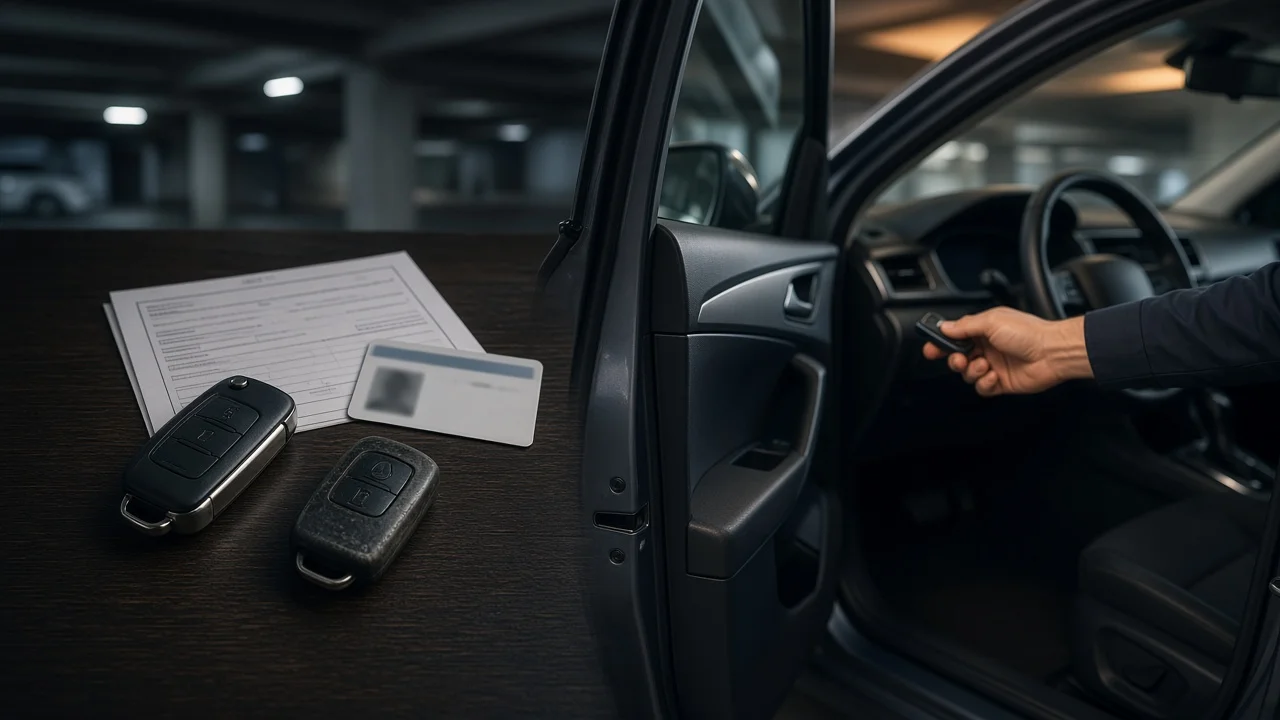
Government-issued photo ID matching the name on the vehicle's paperwork. The vehicle's title or current registration. The vehicle identification number (VIN), the unique code for your vehicle, which is typically visible through the windshield on the driver's side and printed on registration and insurance documents. The vehicle itself, in many cases, since programming usually has to be done with the car present.
If the vehicle is financed or leased, or the title is held by a lender, the registration and your ID may be accepted, but this is a point to confirm with the provider before you go.
Erase the lost remote from the vehicle
Programming a new remote does not always cancel the old one. On many vehicles, previously paired keys stay active unless they are deliberately removed. If your remote was lost somewhere it could be linked to your car, or stolen along with something that identifies your address or vehicle, ask the dealer or locksmith to delete all existing keys from the vehicle's memory and then reprogram only the keys you still have plus the new one.
For this reason, bring every remaining key you have to the appointment. On some vehicles, all keys meant to stay active must be present during programming, and any key left behind may stop working afterward.
Before you pay for a replacement
Check your insurance policy, extended warranty or roadside assistance plan. Some include key replacement coverage, but terms vary and should be confirmed with the provider. Get quotes from both a dealer and a locksmith where possible, and ask whether the price covers the fob, key blade cutting and programming, since these are sometimes priced separately. Be cautious with cheap online or aftermarket fobs. Some cannot be programmed to your vehicle, use the wrong frequency or chip, or are refused by locksmiths and dealers. If you buy one, confirm compatibility with whoever will program it first. Once you have a working key, consider getting a spare made. Adding a key while you still have one is typically simpler than replacing the last key, and on some vehicles losing every key makes the process considerably more involved.
What this guide cannot tell you
Costs, timeframes, whether a specific vehicle supports owner programming, and whether the car must be towed when all keys are lost all depend on the manufacturer, model year, trim and the key system fitted. No verified figures or model-specific procedures were available for this article. Your owner's manual and a dealer or locksmith who can look up your VIN are the most dependable sources for those details.