Replacing a lost Ford keyless key
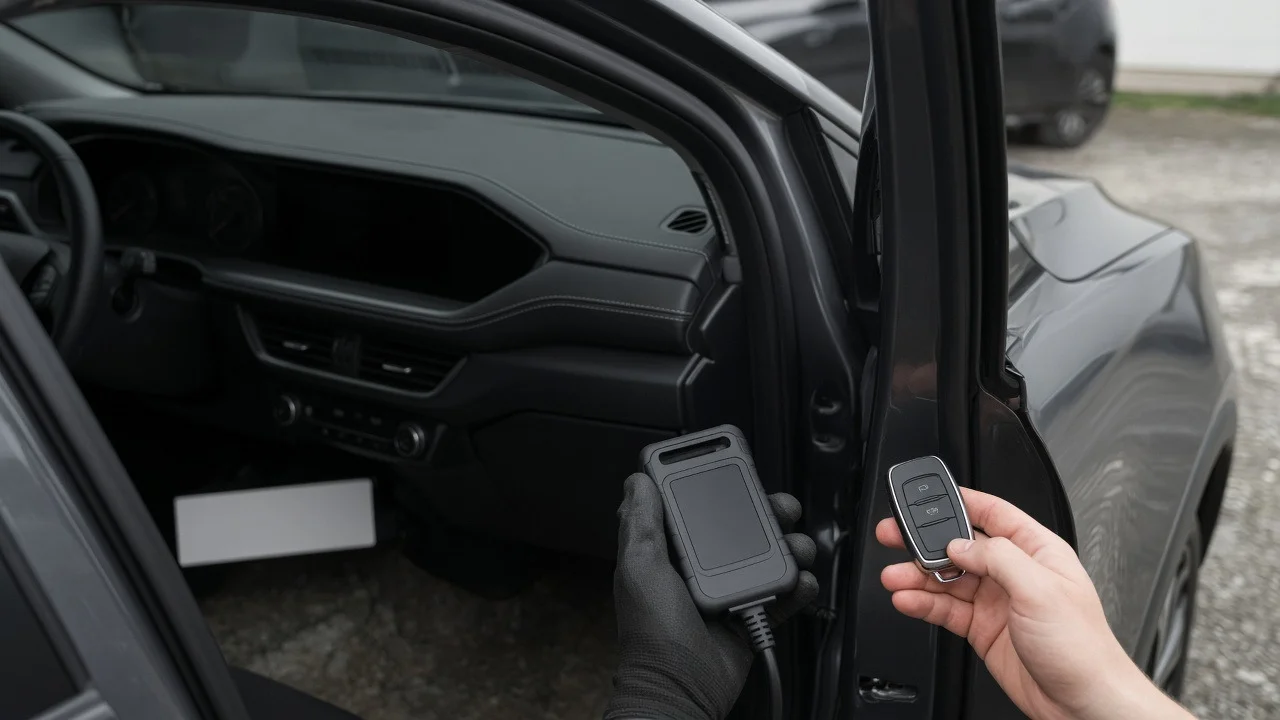
Losing the only access device for a Ford equipped with keyless operation can feel urgent, but the situation follows a logical path. A replacement is not simply a metal duplicate; it involves matching the vehicle’s electronic access system, including the remote transmitter and the immobilizer security architecture. Understanding how a keyless key works helps distinguish between an emergency unlock, temporary vehicle entry, and restoring full start authorization. Owners typically need proof of ownership, the vehicle identification details, and sometimes a mobile service or roadside assistance call when the vehicle cannot be moved.
Essential answer
Replacing a lost Ford keyless key begins with confirming which generation of access system the vehicle uses, because the term can describe an intelligent access fob, a passive entry transmitter, or a flip-key remote combined with a mechanical key. In most cases the vehicle must be present for key programming, since the body control or security module learns the new transmitter’s unique identifier and synchronizes it with the immobilizer before the engine will crank. A traditional mechanical key can still unlock a door or the glovebox on many models, but it will not necessarily disarm the security system or authorize a start.
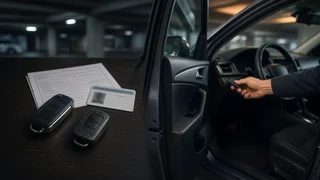
A locksmith, mobile automotive technician, or dealership can usually create a replacement once ownership has been established. The process generally requires reading the vehicle, deleting the missing key from memory where possible, and introducing the new remote transmitter so the lost Ford keyless key can no longer operate the vehicle. Roadside assistance may be helpful if the car is stranded, but it often provides entry or towing rather than immediate electronic pairing. Keeping the remaining key, registration, and title details organized speeds up verification and reduces the chance of a security hold.