Replacing a lost Ford Escape key
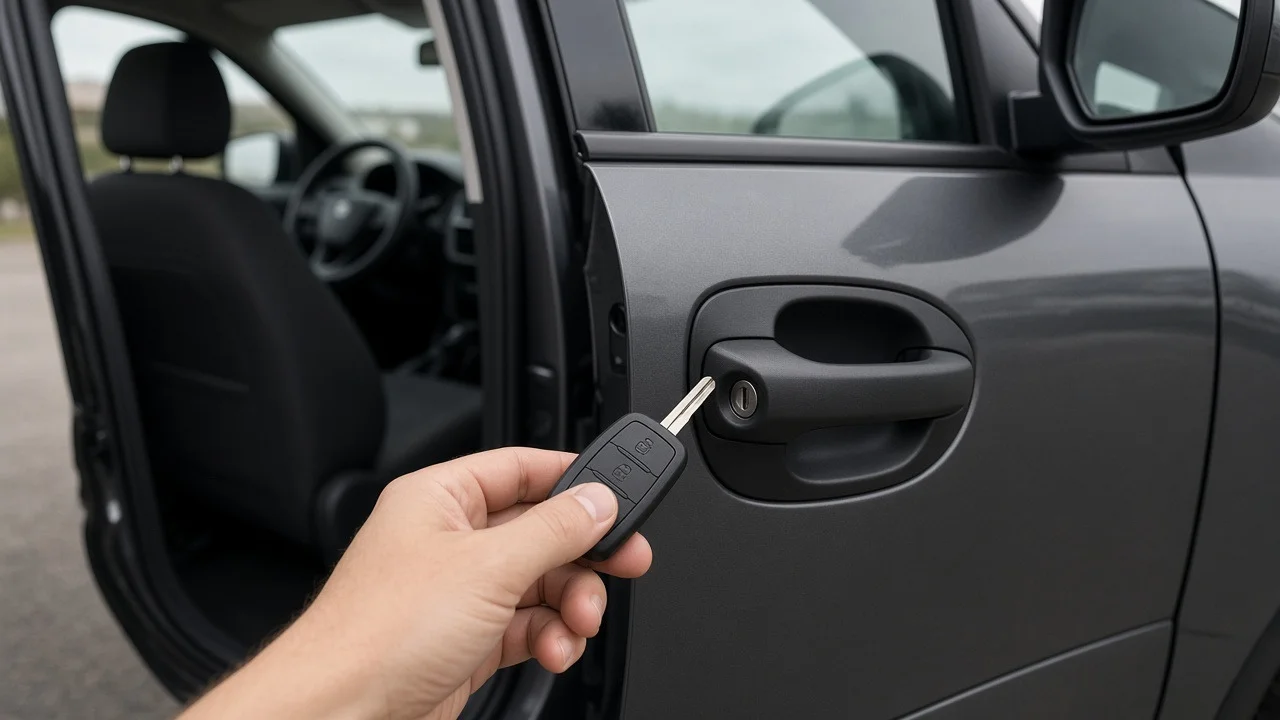
A lost Ford Escape key disrupts more than your morning; it creates a vehicle access problem that involves mechanical cuts, remote control functions, and security authentication. Understanding the difference between a simple metal blade, a remote transmitter, and the immobilizer chip helps you make a practical replacement choice. Because modern Escape models link the key to the starting system, a generic copy may turn the door lock but fail to start the engine. The replacement path depends on the model year, available proof of ownership, and whether you need roadside assistance or a programmed spare.
Essential answer
Replacing a lost Ford Escape key generally requires two coordinated steps: cutting the mechanical key blade to match the door or ignition lock and programming the remote transmitter or immobilizer to the vehicle. A basic duplicate may operate a mechanical lock, but it usually cannot satisfy the security system on its own. The most reliable approach is to contact a Ford dealer, a qualified automotive locksmith, or a roadside assistance provider capable of verifying ownership and performing key programming.
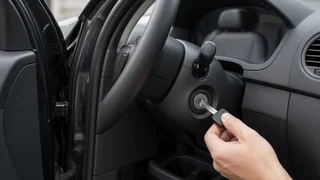
The exact process shifts with the Escape generation. Vehicles with a conventional ignition cylinder often need the new key inserted during a programming sequence, while push-button start systems may require recognizing the passive transmitter inside the car. If all keys are lost, a scan of the body control or powertrain module may be necessary to clear old key authorizations and enroll the replacement. Because manufacturer-dependent codes and procedures vary, vehicle-specific confirmation is essential before buying a blank key or remote.