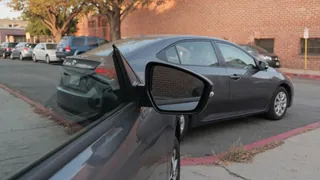
Replace side mirror glass
A cracked or missing side mirror glass creates an immediate visibility problem and can make routine lane changes feel uncertain. Replacing only the glass, rather than the entire mirror housing, is often the most practical repair when the power adjuster, heater, turn signal, and painted shell remain intact. The job involves matching the mirror pane to the housing style, understanding how it attaches, and preserving any electrical connections. Whether the vehicle is a 2000 Honda Accord, a 2003 GMC Sierra, or an Audi A4, the core process follows similar automotive principles with fitment differences shaped by the mirror design.
Essential answer
Replacing side mirror glass usually means separating a damaged mirror pane from the backing plate or motor mount inside the mirror head and installing a correctly shaped replacement pane. The essential requirement is matching the glass specification to the vehicle and mirror option. Mirror glass is not a universal part; curvature, size, heating element, blind-spot marking, and the shape of the mounting points vary by model and trim. A replacement for a 2003 Honda Accord passenger side mirror may look similar to a 2008 Pontiac Grand Prix piece but can differ in backing pattern and electrical connector.
The repair is practical because the mirror head often survives the impact that breaks the glass. A 2013 Chevy Cruze passenger side mirror glass replacement typically involves releasing the old pane from its retainer or adhesive, unplugging heater wires if present, and pressing the new pane into the same sealing surface. For heated units such as an Audi A5 heated wing mirror glass replacement, the replacement must include the correct heating circuit and terminal location. When the housing, motor, or mounting base is broken, glass alone will not restore safe operation.