Replace 1968 Chevrolet Camaro body bushings
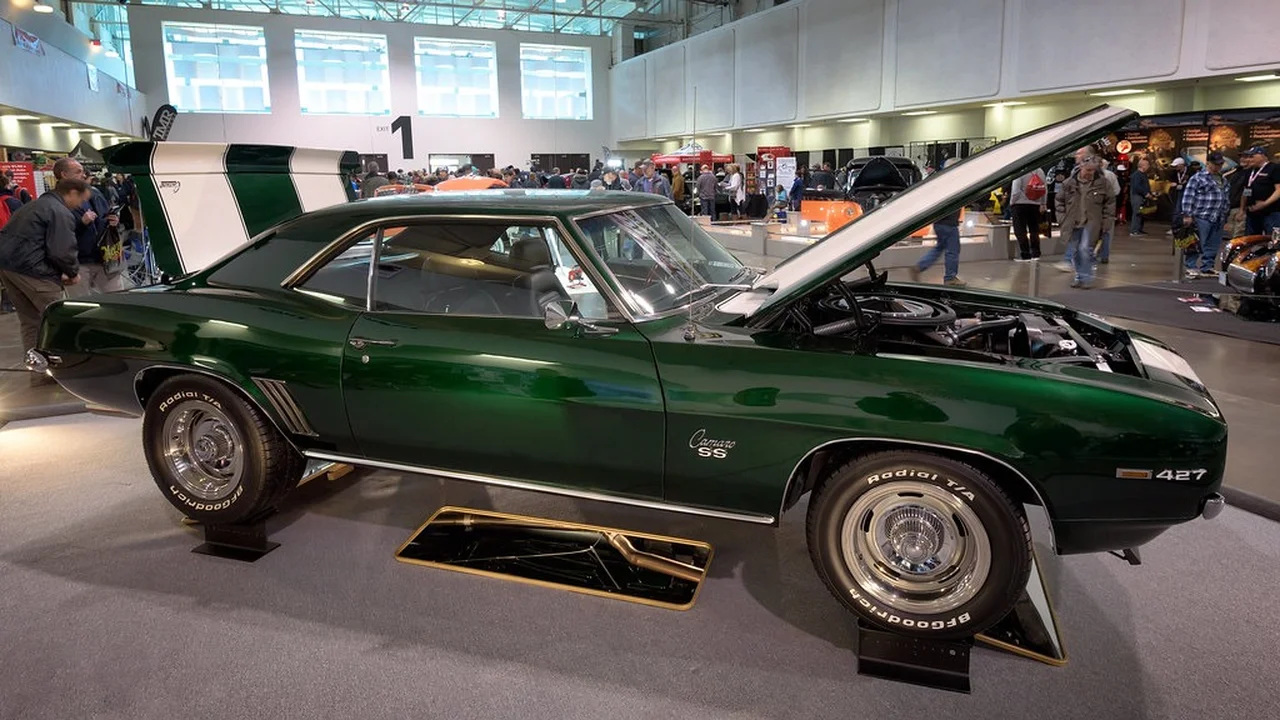
A 1968 Chevrolet Camaro relies on more than its subframe, suspension arms, and steering linkage to feel stable over uneven pavement. The body mounts themselves include resilient bushings that isolate the passenger shell from road vibration and help align the sheet metal with the drivetrain. When those cushions flatten, crack, or disintegrate after decades of service, owners may notice soft clunking, irregular panel gaps, and a loose sensation that can be mistaken for steering wear. A 68 Camaro body bushing replacement is therefore a structural refresh, not simply a comfort upgrade, because the mounting locations affect load transfer across the entire unibody-reinforced platform.
Essential answer
Replacing the body bushings on a 1968 Chevrolet Camaro means separating the body from the front subframe and core support enough to remove the original rubber or aged aftermarket cushions, then installing new bushings at the factory mounting positions. The work restores the designed relationship between the passenger compartment, front frame section, radiator support, and associated sheet metal. Without confirmed model-specific evidence, no single bolt count, torque value, or bushing thickness should be treated as universal, because replacement kits and original designs can vary by production run, body style, and whether the car has a small-block or big-block powertrain configuration.
The essential scope covers the mounts between the front subframe and the body shell as well as the core support cushions that influence hood and fender alignment. Because the subframe also carries the engine, suspension pickup points, and steering box, collapse of the cushions can shift the entire front structure slightly relative to the cowl and doors. Owners researching this job should understand it as a chassis-alignment procedure with disassembly consequences. Hoisting the body safely, bracing the subframe, and checking every captured nut or cage condition are practical first steps, but exact lifting points, support heights, and replacement hardware must be confirmed for the specific vehicle before work begins.
A key qualification is that a worn bushing does not prove damage to the mount itself. Crushed rubber may indicate age, fluid exposure, or prolonged weight, while a corroded mount aperture may require metal repair before new parts will seat correctly. Since the 1968 model year belongs to the first-generation Camaro design, body styles such as the coupe and convertible share the same general architecture, yet trim level and market specification can influence bumper, valance, or subassembly details around the mounting area. For that reason, the direct answer is a general repair path: inspect, support the assembly, replace the cushions, and recheck door, hood, and fender alignment rather than a claim of one-size-fits-all replacement parts.
In practical terms, the job belongs in the category of involved chassis service rather than a quick driveway parts swap. Access to the upper mounts often requires loosening or removing interior trim, splash shields, brake line retainers, steering column coupling, and other components. The goal is not only to remove collapsed rubber but also to establish a consistent mount stack, including any washers, sleeves, or shims that affect ride height and panel fit. A systematic replacement supports predictable handling and prevents the body from resting directly on the subframe, where road vibration and stress concentrations can accelerate fatigue in the surrounding steel.