Chevy Camaro wheel bolt pattern by year
Identifying a Camaro wheel bolt pattern means checking the bolt count and the circle they form, which changes across model generations but often stays consistent within a defined run. For readers comparing the 2011 through 2017 model years, the practical question is whether an OE or aftermarket wheel from another Camaro will sit flush on the hub. Understanding how model year, factory wheel width, and hub-centric mounting interact can prevent a costly test fit or a wheel order that simply will not bolt up properly.
Essential answer
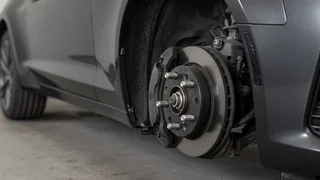
Across the fifth-generation Chevrolet Camaro span that includes the 2011, 2012, 2013, and 2015 examples, the factory wheel attachment typically follows a five-lug layout. The studs are arranged on a circular pattern that matches many other GM rear-drive passenger cars, which makes hunting for replacement rims easier. However, a shared bolt count is not a complete fitment. Wheel offset, hub bore, and whether the wheel is intended for a V6 or V8 setup can affect clearance at the strut, fender lip, and brake package, so the pattern should be treated as a starting point rather than the only check before installation.
A 2016 or 2017 Camaro moves into the sixth-generation platform, where the same lug count often appears but the fit envelope changes with body and suspension dimensions. When researching a 2016 Camaro wheel bolt pattern, the owner is usually trying to determine whether earlier fifth-generation rims transfer over. The bolt circle may line up, yet a narrower factory wheel width or different offset from the older car can create interference that only becomes visible at full steering lock or under suspension compression. For that reason, a pattern match should be paired with a check of the wheel's barrel shape and mounting face.