Repair 2009 Ford Explorer rear glass hinge
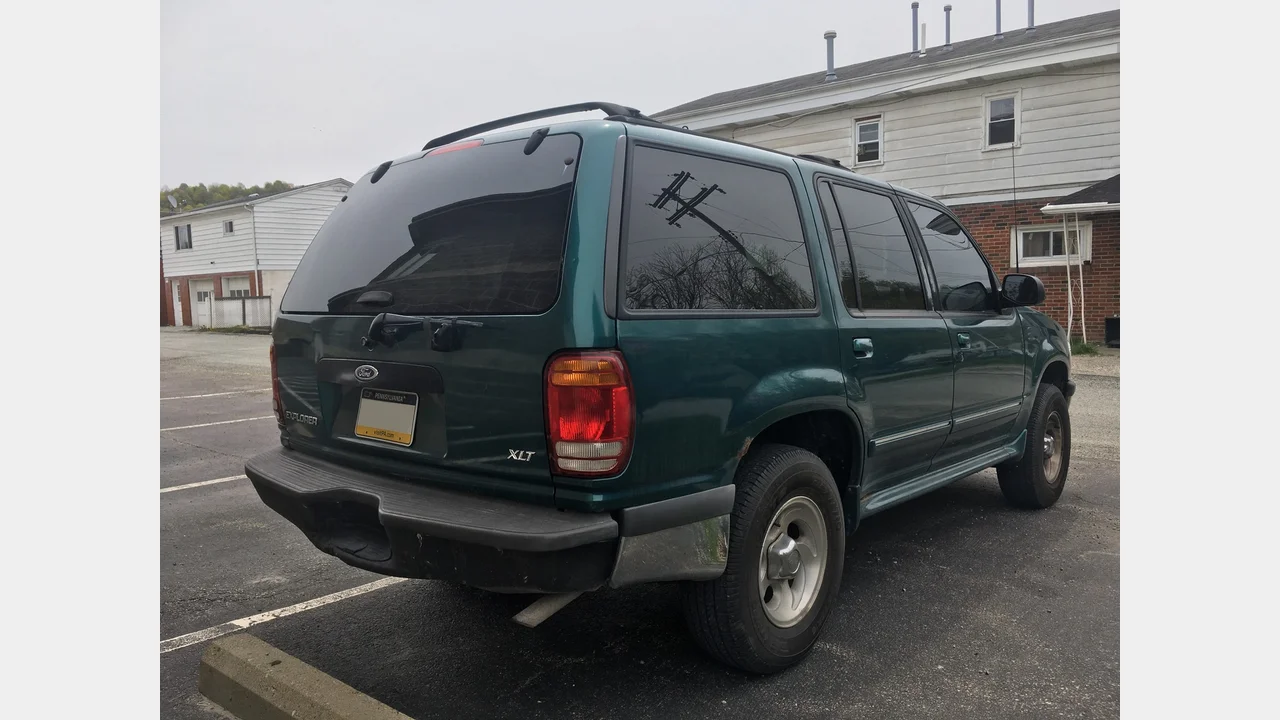
A loose or sagging rear glass on a 2009 Ford Explorer usually points to a failed hinge rather than a problem with the glass itself. The liftgate glass is a separate opening panel, so its hinges, mounting points, and sealing surface must stay aligned to keep visibility clear and the cabin weathertight. Repair choices range from tightening hardware to replacing a corroded hinge or restoring the bond at the glass edge. Working carefully matters because the glass is tempered and the hinge carries both weight and closing force.
Essential answer
The essential repair is to restore secure movement of the rear glass by addressing the hinge assembly, its fasteners, and the area where the hinge attaches to the glass or liftgate. On this Explorer design, the glass is not glued directly to the body at that pivot. Instead, a metal hinge bridges the glass and the fixed liftgate structure, which means loose hardware, worn pivot points, or a weakened bond at the mounting points can create the same symptom of glass that droops, rattles, or fails to close evenly.
Before buying parts, the scope should be narrowed by inspecting how the hinge is attached. Some failures involve the screws or studs at the body side, while others involve the bonded bracket on the glass side. If the glass itself is chipped or cracked near the bracket, the repair may not be limited to the hinge. A glass specification check and careful fitment comparison help confirm that a replacement hinge or reattached bracket will sit flush against the original sealing surface.
Diagnosing a problem
Start by opening the glass only enough to view the hinge without forcing it. Look for movement between the hinge and the liftgate, between the hinge and the glass bracket, and within the pivot itself. If the fasteners are tight but the glass still shifts, the adhesive bond at the glass bracket may be failing. Corrosion, white powder around the hinge, or a cracked plastic cover are additional clues that moisture has reached the mounting area and compromised the original adhesive compatibility.
Next, close the glass gently and check the gap around the opening. A wider gap on one side or contact with the liftgate edge suggests the hinge has moved or the bracket is separating. Also listen for a clicking sound when the glass is opened partway. That can indicate a worn pivot rather than loose hardware. Because the glass is tensioned by the struts and the latch, a failing bond can allow sudden movement, so temporary support and limited opening force reduce the chance of the glass slamming or cracking during inspection.