Remove Vauxhall Astra J rear door glass
Removing the rear door glass on a Vauxhall Astra J is a repair that takes patience and careful attention to how the window is located and sealed. The glass may need to come out because of damage, a failed regulator, or noise and water leaks around the sealing surface. On this model the rear door design combines fasteners, guides, and weatherseals that affect fitment and alignment. Before starting, it helps to recognize how the glass is retained, what can be disturbed during the job, and why visibility and clean sealing surfaces matter for a successful result.
Essential answer
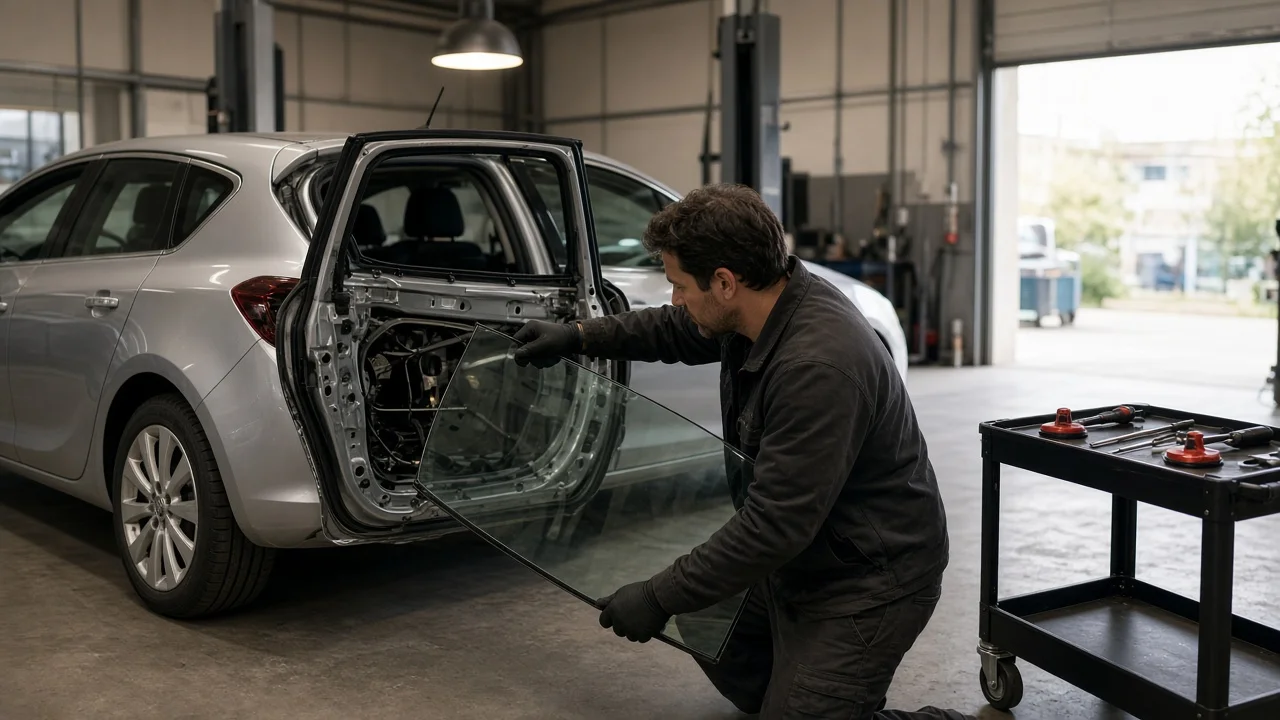
The essential answer is that the Astra J rear door glass is not simply pried out of the frame. Access normally requires removing the interior door trim and any moisture barrier so the window can be released from its regulator or guide clamps. The glass is held in the door cavity and travels through channels at the top of the shell. Replacement or removal therefore means working from inside the panel rather than forcing the glass outward through the beltline seal.
Glass removal can vary by body style and market, but the general method is similar. The rear door window is often retained at the bottom edge by clamp bolts or plastic clips on the lifting mechanism. Because the glass is curved and tempered to match the door opening, alignment and adhesive compatibility are important when refitting. The job is not about separating bonded glass from a windshield opening; it is about releasing a framed movable pane while preserving the run channels and weatherstrip.
Procedure
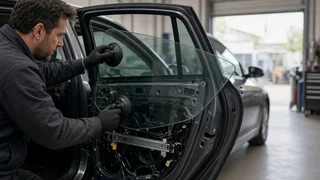
A practical approach starts with disconnecting the battery if the vehicle has power rear windows, then safely removing the rear door trim panel, handle surround, and any screws or push retainers. Once the inner panel and moisture barrier are moved aside, the window can be lowered or raised to align the regulator clamps with the access openings in the door shell. Supporting the glass before loosening the fasteners prevents it from dropping inside the door and reduces the chance of chipping or scratching the visible area.
After the retainers are released, the glass is usually tilted and lifted out through the top of the door frame. The lower run channel and inner beltline weatherstrip often need to be moved carefully because they can tear or bend. During refitment, the glass must settle into the original mounting points and travel smoothly at full up and down positions. Checking the seal contact and making small adjustments at the clamps helps restore correct closure, wind noise control, and clear visibility without forcing the assembly.