Diagnose Vauxhall Astra engine management light
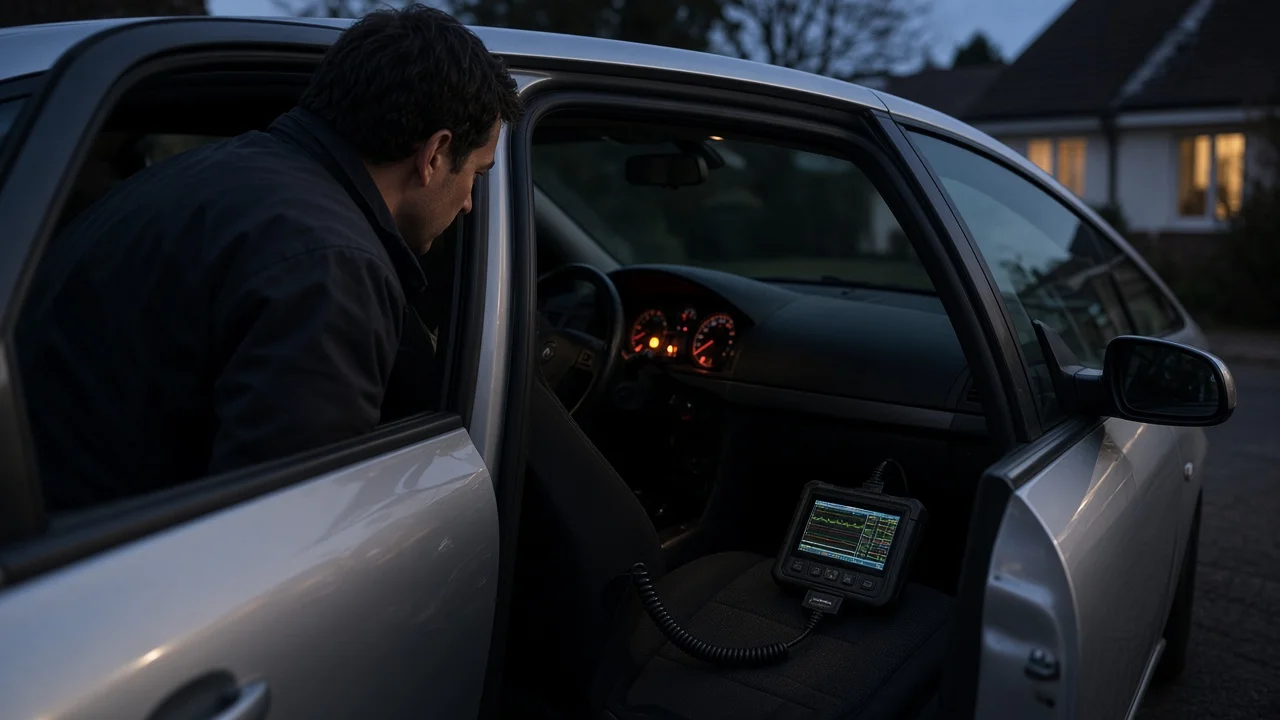
A Vauxhall Astra engine management light can appear during steady cruising, hard acceleration, damp weather, or immediately after a cold start, and the way it behaves often narrows the search before any parts are replaced. The warning means the engine control system recorded a value outside manufacturer specifications and stored a diagnostic code. A steady glow usually points to an emissions or running fault, while a flashing light signals active misfire conditions that can overheat the catalytic converter. Reading the code, noting when the light comes on, and checking basic service history items turns a vague dashboard warning into a focused diagnosis rather than a guessing exercise.
Essential answer
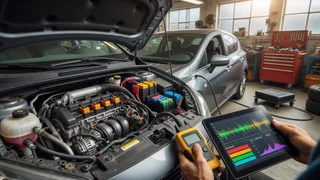
The essential answer is that an illuminated engine management light on a Vauxhall Astra indicates the onboard diagnostics detected an abnormal signal from an engine, fuel, ignition, or emissions component, and the first useful action is retrieving the stored diagnostic code. The code does not identify a failed part by itself; it points to the circuit or system where the value fell outside the expected range. A loose fuel cap, aging oxygen sensor, misfire, or modest vacuum leak can all switch on the same warning, so the code narrows the area without proving a particular component is defective.
The scope of the problem varies with the engine configuration and the driving conditions present when the light appeared. A warning that comes on only after a long highway run may relate to catalyst efficiency, while a light that appears during cold idle can point toward mixture control or ignition behavior. The Astra's system stores freeze-frame data along with the fault code, helping a technician see engine temperature, load, and rpm at the moment of the fault. That context matters more than the warning lamp alone when deciding whether the vehicle should be driven or parked.
Diagnosing a problem
Begin with observable checks that do not require disassembly. Confirm the fuel filler cap is tight and its seal is not cracked, because evaporative system pressure loss can set a code and illuminate the light on some Astras. Look for loose or cracked vacuum hoses near the intake, since unmetered air changes the air-fuel mixture and produces rough running. If the engine idles unevenly, stumbles under load, or smells of unburned fuel, those symptom conditions support a misfire or fueling fault rather than a simple sensor reading. Record whether the light is steady or flashing and whether it resets after a restart.
A flashing engine management light indicates an active misfire severe enough to put raw fuel into the exhaust, and continued driving risks damaging the catalytic converter. Stop the vehicle as soon as it is safe and have it towed or diagnosed before restarting under load. For a steady light with normal performance, a same-day inspection is generally reasonable, but avoid long trips until the stored diagnostic code is read with a scan tool. Because manufacturer-dependent codes can differ between model years and engine families, the code should be confirmed against Astra-specific service information rather than treated as proof that a coil, sensor, or injector has already failed. Use the fault code as the starting point for targeted inspection of wiring, connectors, and the component's operating range.