Redline Brake Controller Manual

A Redline trailer brake controller manual is often the first thing a driver reaches for when trailer braking feels inconsistent, a display shows an unfamiliar code, or a new controller needs to be matched to a tow vehicle. The manual is not a universal repair guide; it is a model-specific reference for installation, gain adjustment, manual override use, and diagnostic interpretation. Understanding how the controller coordinates the tow vehicle brakes with trailer brakes helps separate a simple setup issue from a wiring, connector, or hydraulic component concern. The following overview explains what this document typically covers and how to use it without assuming every fault code means a failed part.
Essential answer
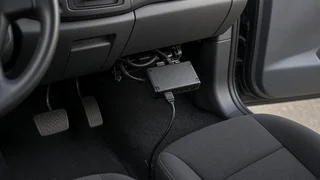
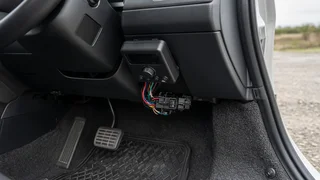
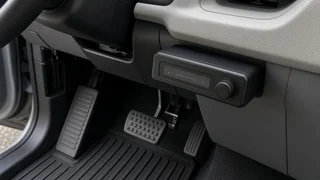
A Redline trailer brake controller manual is the instructional reference for a specific electronic brake controller used in light-duty towing setups. It explains how the unit receives a signal from the tow vehicle brake switch and sends proportional voltage to the trailer brake assemblies. The core purpose is to help the owner install the controller, set the gain or braking force, and understand the indicator lights or diagnostic messages. Because these devices interact with factory wiring, vehicle fitment matters. The manual will usually identify the supported trailer brake types and the expected vehicle-side connections, but it cannot confirm compatibility with every modified or adapter-based harness.
The document should be treated as the starting point for interpreting controller behavior, not as proof that a particular component has failed. A brake controller may report low output, a disconnected trailer, or an overcurrent condition, but the cause can include corroded trailer connectors, worn brake magnets, poor ground connections, or incorrect gain settings. Comparing the manual's diagnostic chart with physical inspection of the trailer circuit is the practical next step. Owners should keep the exact model number available and confirm vehicle-specific wiring differences before replacing hardware.