Red Brake Light on Dash: What It Means and What to Do
A red brake light on the dash is your vehicle's main brake system warning. The most common reasons are simple: the parking brake is still applied, or the brake fluid level in the master cylinder reservoir has dropped below its minimum mark. It can also signal a hydraulic fault, a problem with electronic brake force distribution, or a fault in an electronic parking brake. Because red warnings generally mean a problem that affects safety, the light should never be ignored, even if the car seems to stop normally. The exact meaning depends on the vehicle. Symbols, colors and the conditions that trigger the light vary by manufacturer, model year, powertrain and market, so the owner's manual for your specific vehicle is the final word on what your dashboard is telling you. The principles below apply to most modern cars and light trucks sold in the US.
What the Red Brake Warning Light Looks Like
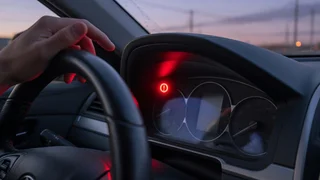
Most vehicles use one of three designs for the red brake warning, and some show more than one:
The word BRAKE in red capital letters, common on many domestic and older vehicles. A circle with an exclamation point inside, surrounded by partial brackets on each side. This is the general brake system warning used internationally. A circle with the letter P inside, which on many vehicles indicates the parking brake specifically, especially those with an electronic parking brake.
It is normal for the light to glow briefly when you turn on the ignition. This is a bulb and system check. The light should go out within a few seconds, or once the parking brake is released. A light that stays on, comes on while driving, or flickers is the one that needs attention.
Common Causes of a Red Brake Light
Parking brake engaged or not fully released
This is the first thing to check. A hand lever, foot pedal or electronic switch that is only partially released can keep the light on. On mechanical systems, fully lower the lever or release the pedal and see whether the light goes out. If it stays on with the parking brake definitely released, the cause may be a misadjusted or faulty parking brake switch, or it may be one of the other conditions below, since many vehicles share a single warning light for several brake faults.
Low brake fluid
The master cylinder reservoir has a float or level sensor that triggers the warning when brake fluid drops below a set point. Low fluid has two main explanations. The first is normal wear: as the friction material on brake pads wears thinner, the caliper pistons move outward to keep the pads against the brake rotors, and more fluid sits in the calipers and lines. The reservoir level drops gradually as a result. The second is a leak somewhere in the hydraulic system, such as a caliper seal, wheel cylinder, brake hose, steel line or the master cylinder itself. A leak is the more serious possibility because the system can lose pressure.
Hydraulic system fault
Modern brake systems are split into two hydraulic circuits so that a failure in one still leaves some braking ability in the other. Some vehicles monitor the pressure balance between circuits and turn on the red light if one side loses pressure. Signs that point toward this kind of fault include a brake pedal that feels soft or spongy, sinks toward the floor, or travels farther than usual before the brakes engage.
ABS or electronic brake force distribution fault
Electronic brake force distribution adjusts how much braking effort goes to the front and rear wheels. On many vehicles it is managed by the anti-lock braking system module. When the amber ABS light and the red brake light come on together, it can mean that both anti-lock function and brake force distribution have been disabled. Ordinary braking usually still works, but the rear wheels may lock more easily under hard braking, so this combination deserves prompt diagnosis.
Electronic parking brake or brake-by-wire issues
Vehicles with an electronic parking brake may use the red P light to show the brake is applied and a separate amber light or message to report a fault in the motor, switch or control module. Some hybrids and electric vehicles blend regenerative braking with the hydraulic brakes and can display a red brake warning when that system detects a problem. How these warnings are presented differs widely between makes and models.
Faulty sensor, switch or wiring
A failed fluid level sensor, a stuck parking brake switch or damaged wiring can trigger the light even when the brakes are fine. This is a diagnosis to reach only after the real brake conditions have been ruled out, never an assumption to start with.
Quick Reference: Possible Causes and Urgency
Situation | Likely cause | Urgency; Light on, goes out when parking brake released | Parking brake was applied | Normal; Light stays on with parking brake fully released, pedal feels normal | Low fluid from pad wear, switch or sensor fault | Inspect soon, before further driving if possible; Light on and fluid visibly low or wet spots near wheels | Hydraulic leak | Do not drive until inspected; Light on with soft, spongy or sinking pedal | Loss of hydraulic pressure | Do not drive; arrange a tow; Red brake light and amber ABS light on together | ABS and brake force distribution fault | Drive cautiously only as far as needed for diagnosis; Red light comes on briefly over bumps or in hard turns | Fluid near minimum level, sloshing past the sensor | Check fluid level and pad wear soon
How the Red Brake Light Differs From Amber Brake Warnings
Dashboard color follows a general convention: red indicates a condition that may affect safety or cause damage and needs attention right away, while amber or yellow indicates a fault or service need that should be checked soon. Brake-related amber lights commonly include the ABS light and, on vehicles equipped with electronic pad wear sensors, a brake pad wear indicator, often shown as a circle with dashed lines on either side. A pad wear light tells you the pads are approaching their wear limits. The red light, by contrast, points to the parking brake or to the hydraulic system as a whole.
Not every vehicle follows this pattern exactly. Some models show pad wear or brake-related messages in the instrument cluster's text display instead of with a dedicated symbol, so check the owner's manual for the vehicle in question.
Is It Safe to Drive With the Red Brake Light On?
It depends on the cause, and you usually cannot be certain of the cause from the driver's seat. If the light went out when you released the parking brake, there is no problem. If it stays on, treat it as a potential brake fault until proven otherwise. Do not drive if the pedal feels soft, sinks, or needs more travel than normal, if you notice fluid leaking near a wheel or under the engine bay, or if the car pulls strongly to one side when braking. In those cases, having the vehicle towed is the safer choice.
If the pedal feels firm and normal and the fluid is only slightly below the minimum line, a short, careful drive to a repair shop may be reasonable. Leave extra following distance, avoid highway speeds where possible, and do not assume the brakes will perform as they usually do.
What to Check First
Confirm the parking brake is fully released, including electronic parking brakes, which may need the switch pushed or pulled with the brake pedal pressed. With the engine off and the vehicle on level ground, locate the brake fluid reservoir, usually a translucent plastic container mounted on the master cylinder near the driver's side of the firewall. Compare the fluid level with the MIN and MAX marks on the reservoir. Look for wet spots or residue around the wheels, on the inside of the tires and along the brake lines, and for drips on the ground where the car was parked. Note how the brake pedal feels: firm and high is normal; soft, spongy or low is a warning sign. Check whether any other warning lights are on, especially the ABS light.
Topping Off Brake Fluid: What to Know
Adding brake fluid can turn the light off, but it does not fix the reason the level dropped. If the level fell because of worn brake pads, topping off hides the symptom while the pads continue to wear. When new pads are installed and the caliper pistons are pushed back, the extra fluid returns to the reservoir and can overflow. If the level fell because of a leak, the light will return, and the system may be losing pressure in the meantime.
If you do add fluid, use only the type specified for your vehicle, which is usually printed on the reservoir cap and listed in the owner's manual. Common glycol-based types are DOT 3, DOT 4 and DOT 5.1. DOT 5 is silicone-based and must not be mixed with glycol-based fluids. Brake fluid absorbs moisture over time, so use fluid from a sealed container, keep the reservoir open only briefly, and wipe up spills promptly because brake fluid can damage painted surfaces.
What the Repair Might Involve
The repair follows the cause. A shop will typically inspect the pads, rotors, calipers, hoses, lines and master cylinder, and may scan the brake and ABS modules for stored trouble codes.
Worn brake pads: replacement once the friction material reaches or nears the manufacturer's wear limits. Rotors are measured for thickness and condition and are resurfaced or replaced if they fall outside specification. Leaking caliper or wheel cylinder: rebuild or replacement of the component, followed by bleeding the system to remove air. Damaged hose or brake line: replacement of the affected section and bleeding the brakes. Failing master cylinder: replacement, often indicated by a sinking pedal without any visible external leak. Faulty switch, sensor or wiring: replacement or repair of the part after brake conditions are confirmed normal. ABS or electronic parking brake faults: diagnosis with a scan tool capable of reading the relevant modules, followed by repair of the identified component.
When buying parts, vehicle fitment matters. Brake pads, rotors and calipers often differ between trims, engine options, drivetrain layouts and brake packages within the same model year, so parts should be matched to the specific vehicle, ideally by VIN, rather than by make and model alone.
Bottom Line
If the red brake light on your dash goes out when you release the parking brake, you are fine. If it stays on, check the brake fluid level and the pedal feel right away. Low fluid is often linked to worn pads or a leak, and a soft or sinking pedal means the car should not be driven. When the cause is not obvious, or when the red brake light appears together with the ABS light, have the brake system inspected before relying on it.