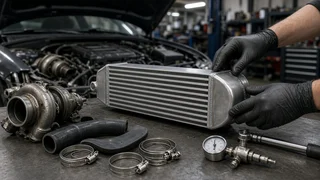
Rear mount turbo without intercooler
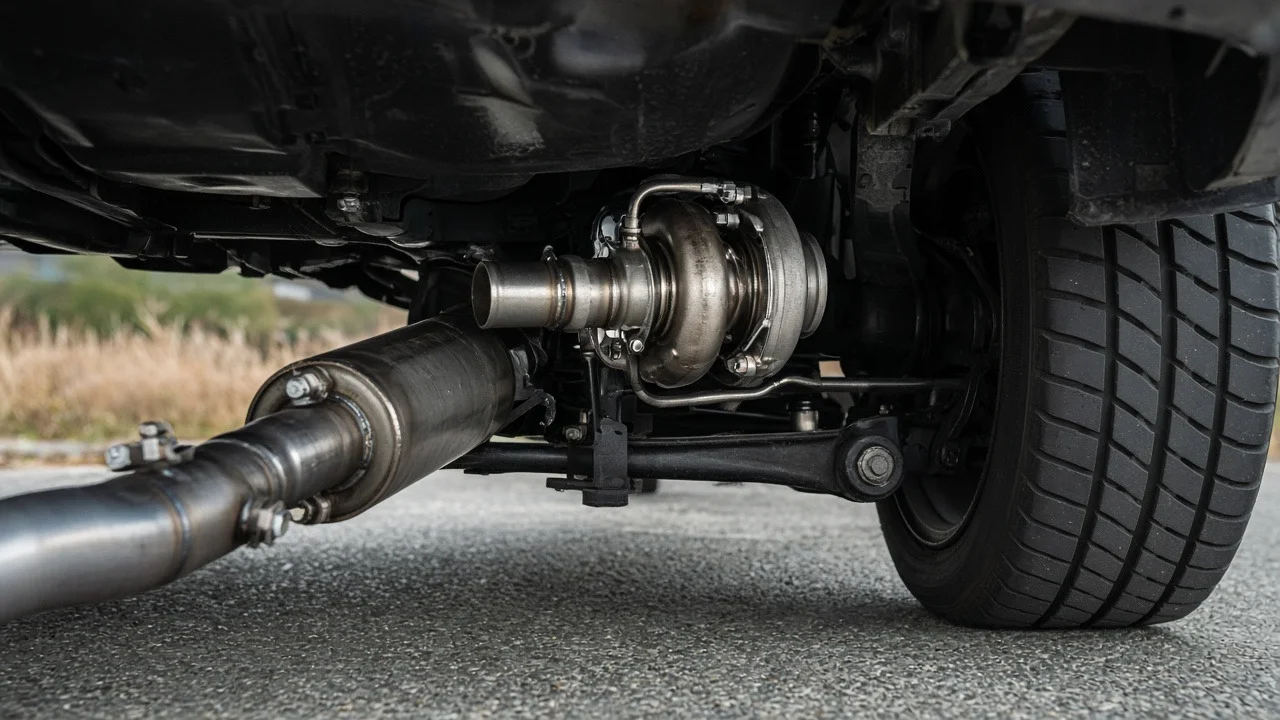
A rear mount turbo without an intercooler relocates the turbocharger away from the engine bay, typically near the rear axle or trunk area, and feeds compressed air back to the intake without passing it through a dedicated heat exchanger. This kind of setup is often considered for packaging constraints or when front-engine space is already crowded. The long compressor outlet path changes boost pressure behavior, charge-air temperature, and throttle response compared with a conventional front-mounted turbo. Understanding the plumbing, pressure loss, and heat loads helps explain why some builders delete the intercooler and what trade-offs that decision creates.
Essential answer
The essential answer is that a rear mount turbo can be installed without an intercooler, but doing so is not simply a cosmetic or weight-saving choice. Without an intercooler, the compressor outlet feeds the intake through extended charge piping that carries hot compressed air directly toward the throttle body. The rear location means the charge pipe itself runs under the vehicle, where airflow can shed some heat before the air reaches the engine. That long underbody path does not provide the consistent temperature reduction of a proper intercooler, especially during sustained boost or heavy load.
This arrangement matters most for street-driven vehicles where space, budget, or fabrication access influences the design. Boost pressure still builds, but the response may feel softer because the turbine must pressurize a very long volume of piping. Charge-air temperature and pressure loss depend on pipe diameter, hose connections, routing, and ambient conditions. Oil contamination and oil supply routing also require attention because a rear-mounted turbo introduces a longer oil feed and drain path than a front turbo system.