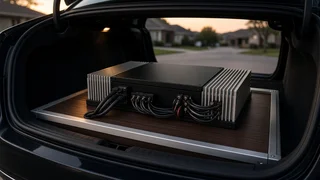
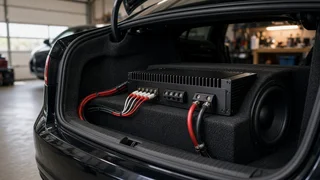
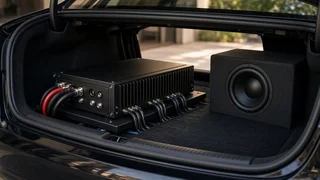
Raspberry Pi Car Audio Amplifier
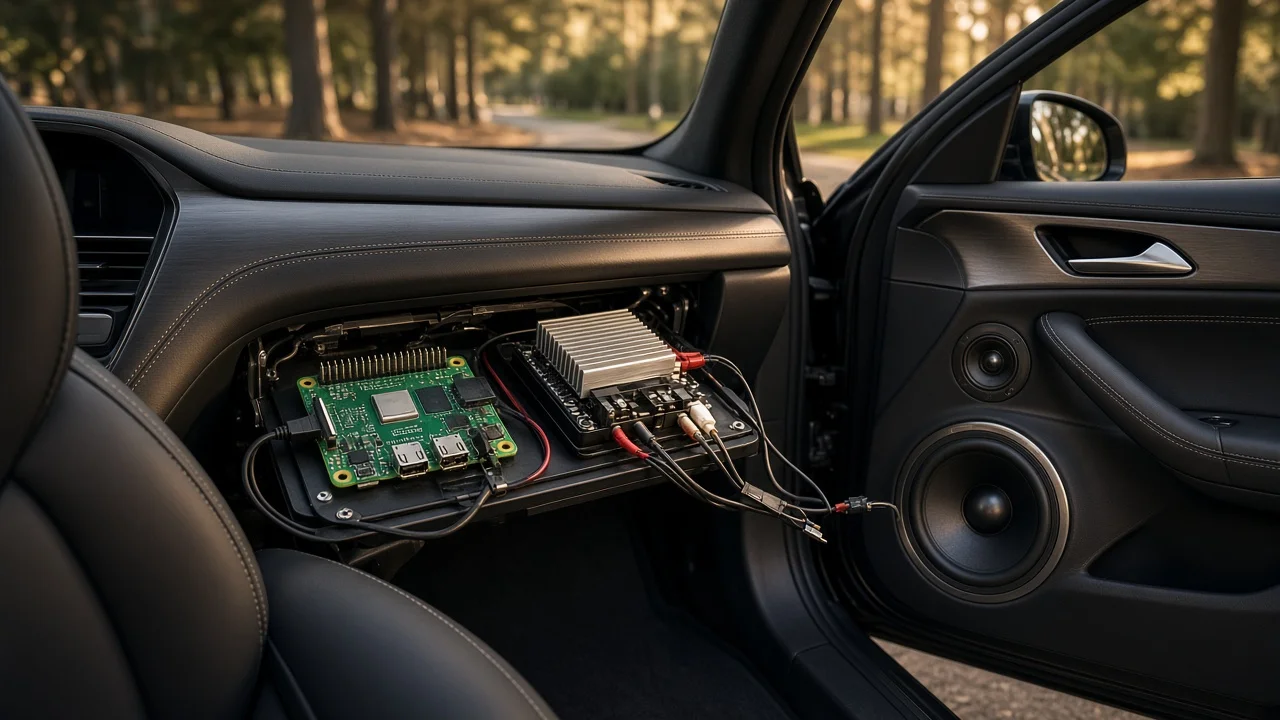
A Raspberry Pi car audio amplifier is a DIY approach to adding a compact, software-controlled amplification stage to a vehicle sound system. Instead of replacing the factory head unit, builders often use the single-board computer as an audio source and processing brain, then feed its output into a small amplifier board before the speaker wiring. This setup can support streaming, custom equalization, and flexible vehicle integration, but it requires careful attention to power, grounding, and signal levels to work reliably in an automotive environment.
Essential answer
The essential answer is that a Raspberry Pi is not a car audio amplifier by itself. It functions as a low-power audio source and digital signal processor, while a separate amplifier board or powered speaker system supplies the current needed to drive speakers. In a car, this combination typically involves a digital-to-analog converter or audio HAT, a switching or class-D amplifier module, and a stable 5-volt supply derived from the vehicle’s 12-volt electrical system. The Raspberry Pi manages playback, streaming, and equalization, but the amplifier module handles the actual speaker load.
This distinction matters because the Raspberry Pi’s onboard audio output is designed for headphones or line-level connections, not for directly driving typical car speakers. Builders must match the amplifier’s input sensitivity to the Pi’s output voltage, manage gain structure, and isolate electrical noise from the alternator and ignition system. The result can function as a hidden head unit or a secondary audio zone, but the amplifier is the component that converts the Pi’s small signal into usable speaker power.