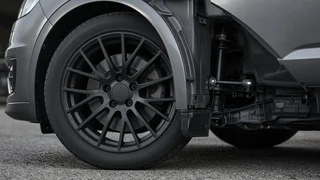
Ram 3500 Wheel Offset

The 2019 Ram 3500 wheel offset question usually comes up when an owner is considering aftermarket wheels, wider tires, or a leveled stance. Offset is not just a style number; it controls where the tire sits relative to the hub and suspension. Because these trucks carry heavy loads and often run large tires, a small change in offset can alter steering feel, clearance, and stress on wheel bearings. Understanding how rim width, bolt pattern, and tire compatibility interact with offset helps narrow the choices before buying wheels or spacers.
Essential answer
Wheel offset describes the distance between the wheel's mounting surface and the centerline of the rim. A zero offset places the mounting face exactly at the rim center, while positive offset pushes the wheel inward toward the suspension and negative offset moves it outward. For a heavy-duty truck like the Ram 3500, factory wheels typically use positive offset to keep the tire inside the fender and preserve suspension geometry under load. The exact factory figure can vary by wheel option, so a specific truck should be confirmed from its original wheel casting or vehicle build data rather than assumed.
The practical meaning of offset is tied closely to rim width and tire compatibility. A wider aftermarket wheel with the same offset will extend both inward and outward from the mounting face, potentially reducing clearance at the control arm or frame. If the offset is lowered to create a more aggressive stance, the tire moves outward, which may clear the inner structure but can introduce contact with the fender flare or bumper during steering and suspension travel. Because the Ram 3500's solid front axle and high load rating amplify these effects, offset changes should be evaluated with the intended rim diameter, rim width, and tire section width together rather than in isolation.