Radiator cap sizes
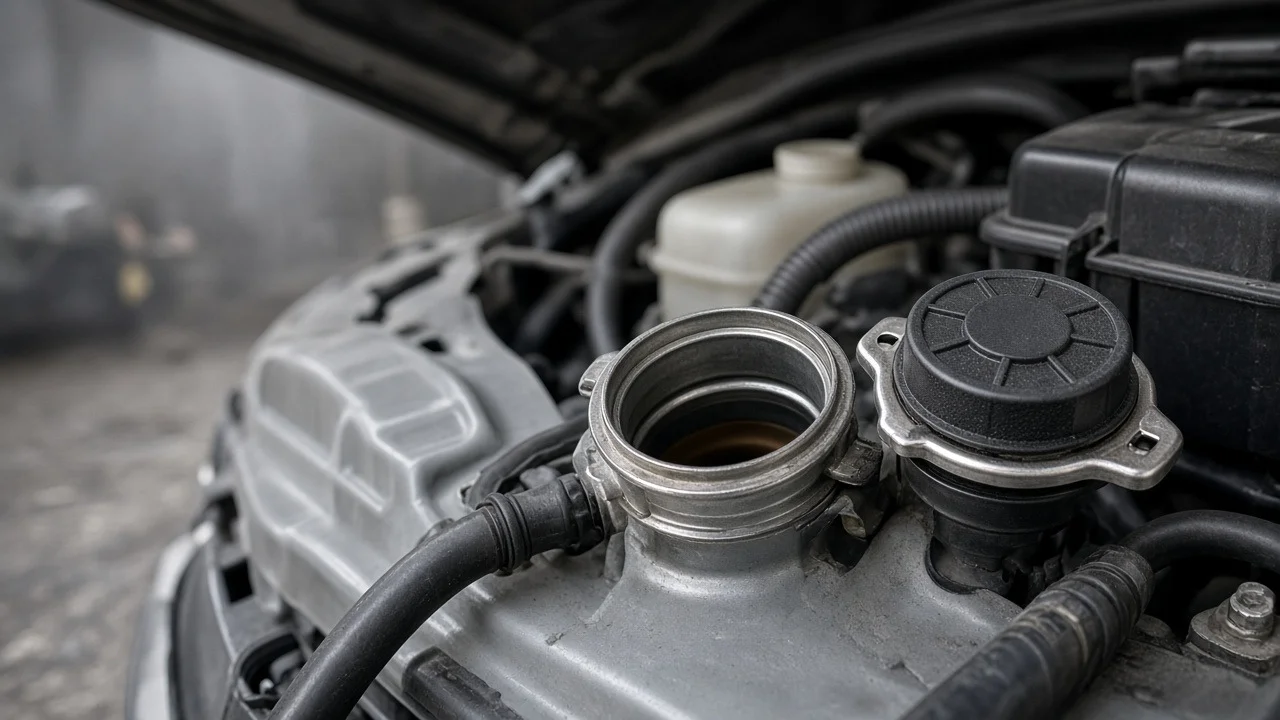
Choosing the correct radiator cap involves more than matching the neck diameter. A pressure radiator cap size chart sorts caps by diameter, reach, and pressure rating so the cooling system can reach its designed operating temperature safely. Drivers researching radiator cap sizes or radiator pressure cap sizes often discover that mixing dimensions and release pressures can impair heat transfer, push coolant past the seal, or trap air pockets.
Essential answer
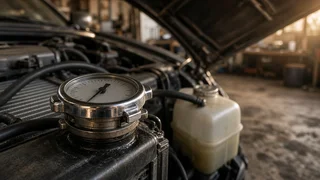
The essential answer is that radiator cap sizing combines physical fit with a calibrated pressure rating. Caps are commonly identified by the filler neck diameter and depth, then selected for the pressure value printed on the cap. A size chart helps narrow the choices, but the release pressure must match the cooling circuit requirements. Installing a cap that fits the opening but opens at the wrong pressure can cause coolant loss or leave the system unable to control boiling.
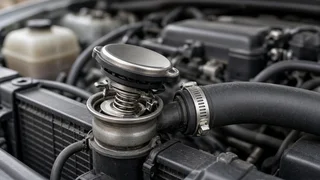
The cap performs two jobs. Its lower seal retains coolant under expansion while the upper seal allows controlled overflow to the reservoir. As the engine warms, the coolant concentration and trapped air expand, raising system pressure. The pressure cap holds that pressure until its rated point, which raises the boiling temperature above the normal level. When the engine cools, a return valve lets coolant flow back from the reservoir instead of leaving air in the radiator.